How to Unclog a Toilet That is Full of Water: A Practical DIY Guide
Learn proven, safe techniques to unclog a toilet when it's full of water. This comprehensive DIY guide from Unclog Drain covers plunging, using a toilet auger, and prevention tips for homeowners.


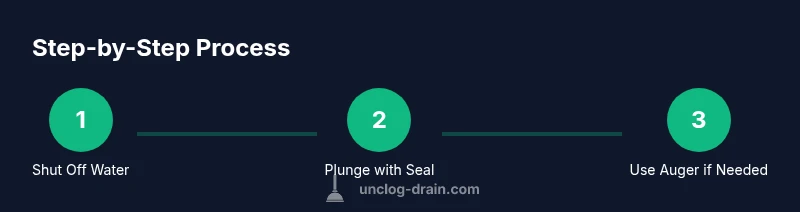
To unclog a toilet full of water, first stop sewer backup with caution. Use a flange plunger to create a tight seal and plunge firmly for 15-20 strokes, then try a toilet auger if needed. If the bowl remains full, switch to a wet-dry vacuum at low power to remove water safely.
Why a toilet that’s full of water needs careful handling
A toilet that’s filled to the rim is more urgent than a typical clog because water can back up quickly and overflow onto the bathroom floor. When the bowl holds water, it can also splash and spread debris as you attempt to unclog it. The Unclog Drain team notes that prompt, controlled action reduces the risk of sewage exposure and damage to fixtures. In many homes, standing water means the clog is partial or the drain line is slow, not completely blocked. Taking a methodical approach helps you avoid mistakes that could push the clog deeper or force wastewater into the sink or shower. By staying calm and following the plan outlined here, you can clear the clog safely and minimize cleanup later. Before you reach for harsh chemicals, remember that water depth and the potential for backflow require a controlled approach.
According to Unclog Drain, most kitchen and bathroom clogs in households originate from everyday use combined with slow drainage. This guide focuses on common, DIY-friendly methods that work for typical household toilets, with safety and efficiency in mind. If your plumbing is older or the clog is severe, professional help may be the safest option.
Safety first: precautions before you begin
Before you reach for a tool, ensure your safety and the home is not endangered. Turn off the toilet’s water supply by rotating the shut-off valve clockwise until it stops. Flush once to reduce the water level, then use towels or a bucket to catch any remaining overflow. Wear rubber gloves and eye protection to shield yourself from splashes and possible exposure to sewage. Never mix chemical drain cleaners with other cleaners or with toilet deodorizers; toxic fumes can form and damage your pipes. Keep children and pets out of the bathroom, and ensure your work area is well-ventilated. If you notice sewer gas smells, leave the area and call a plumber. By starting with safety, you minimize risks and make the rest of the process more effective. The Unclog Drain advice is to address the overflow before trying aggressive tools.
What you’ll need: tools and supplies
Before you begin, gather the essentials so you’re not scrambling mid-process:
- Flange plunger (the cup shape with an extension that fits toilets) – required
- Rubber gloves – required
- Old towels or rags – required
- Bucket – required
- Toilet auger (plumbing snake) – recommended if plunging fails
- Dish soap (optional) – optional
- Wet-dry vacuum (optional; used with caution) – optional
- Flashlight – optional but helpful
Note: Some items may be optional depending on your setup; the main items are the plunger, gloves, towels, and bucket. If you don’t have a toilet auger, you can still attempt plunging, but be prepared to stop if you meet resistance.
Step 1 — Stop overflow and set the stage
Shut off the water supply by turning the shut-off valve clockwise until it stops. If you can, remove the tank lid and inspect the mechanism carefully, but do not force any parts. Next, use a cup or small container to remove as much water as safely possible from the bowl to reduce splash and overflow risk. Place towels around the base to absorb spills and protect the floor. This step lowers the chance of a flood while you work and gives you a clearer view of the clog. If you don’t have a bucket, a small scoop or ladle can work in a pinch. The safer you are at this stage, the smoother the rest of the process will go.
Step 2 — Create a proper seal with a flange plunger
Position the flange plunger so the rubber cup completely covers the drain hole, and push it down gently to form a tight seal. If you own a double-dip plunger, ensure both cups are seated and that the flange is inserted into the toilet drain for optimal suction. Keep the plunger vertical and upright; plunging at an angle reduces suction and can push the clog deeper. Remove any air from the cup by pressing slowly until you feel resistance, then you’re ready to start the plunging motion. A good seal is the difference between an effective push and a messy splash.
Step 3 — Plunge with steady, deliberate strokes
With a firm, controlled motion, push down and pull up to create suction that moves the clog. Aim for 15-20 full strokes before assessing progress. If water begins to drain, continue plunging in the same rhythm until the bowl shows a clear path to the drain line. If the water level rises or your strokes feel less effective, pause, recheck the seal, and adjust your angle or pressure. Keeping your movements steady minimizes splash and increases the chance of dislodging the blockage.
Step 4 — When plunging fails, bring in the toilet auger
If plunging doesn’t clear the clog after several cycles, insert the toilet auger into the bowl and feed the cable toward the drain while gently rotating the handle. When you meet resistance, twist and push slightly before pulling back; the goal is to break through or hook the blockage without scratching the porcelain. Extend the cable a few inches at a time, then retract to clear debris. Clean the auger head and the surrounding area after use to prevent spreading any residue. If the auger can’t reach or fails to dislodge the clog, stop and assess additional options or professional help.
Step 5 — Safe alternative methods if the clog persists
Avoid chemical drain cleaners in a toilet full of water, as fumes can be dangerous and the reaction may push the clog deeper. You can try a small amount of dish soap as a lubricant, followed by a small amount of hot (not boiling) water from a safe height to coax the clog loose. A wet-dry vacuum can be used to extract water and debris from the bowl if you’re comfortable with the device and understand the risks; keep the vacuum off the exhaust and empty it carefully into a toilet or drain to avoid backflow. These methods should be used with caution and only as a supplement to plunging and/or snaking. If you still see standing water after attempting these steps, it’s time to call a professional plumber.
Step 6 — When to call a professional
If repeated plunging and augering fail to clear the clog, or if sewage backup enters the room, seek professional help immediately. Persistent clogs can indicate a more serious blockage further down the line or venting issues that require specialized equipment. If you smell strong sewer gas, abandon the area and contact a plumber right away. The sooner you involve a professional, the less risk you face of water damage or health hazards. The Unclog Drain team recommends erring on the side of safety when you’re unsure about the clog’s severity.
Prevention: long-term habits to avoid future clogs
Prevention is simpler than remediation. Flushing only toilet paper and human waste, disposing of wipes and feminine products in the trash, and flushing in smaller bursts can help maintain a clear drain path. Regularly check visible plumbing for signs of slow drainage or minor leaks, and address any issues promptly. Consider a monthly maintenance routine that includes keeping a clean toilet and avoiding harsh chemical cleaners that can degrade seals. By adopting mindful habits, you’ll reduce the frequency of clogs and keep your bathroom functioning smoothly.
Troubleshooting quick checks and extra tips
If you’re still stuck after all the above steps, recheck the simplest factors: ensure the water shut-off valve is fully closed or open as needed, confirm the plunger seal is tight, and verify you’re using the correct type of plunger for a toilet. Remember to ventilate the area and wear gloves throughout. If the water level recedes slowly during plunging but then stalls, the clog may be further down the line or tied to a vent issue, which a professional can diagnose more efficiently than a DIY attempt.
Authority sources and additional reading
For safety-minded DIY plumbing and household hygiene guidelines, you can consult credible sources such as the EPA and public health sites. While this article focuses on practical at-home methods, always err on the side of safety when dealing with potential sewer backups. (Note: Link references are provided for general guidance and do not replace professional advice.)
Tools & Materials
- Flange toilet plunger(Cup-shaped with a flange; ensure a tight seal)
- Rubber gloves(Protect hands from splashes and germs)
- Bucket(Scoop out excess water to reduce overflow)
- Old towels or rags(Contain spills around the base)
- Toilet auger (plumbing snake)(For deeper clogs not cleared by plunging)
- Dish soap(Lubricant; use sparingly)
- Wet-dry vacuum(Only if you’re comfortable; use with caution)
- Flashlight(Better visibility in dark bathrooms)
Steps
Estimated time: 30-60 minutes
- 1
Shut off water and prepare
Turn the shut-off valve clockwise until fully closed. Flush once to start lowering the bowl’s water level, then use towels to catch any remaining overflow. Clear the surrounding area and put on gloves to protect yourself. This step minimizes the risk of a flood while you work.
Tip: Keep a timer handy; limit continuous plunging to short bursts to prevent spread. - 2
Seal with flange plunger
Place the flange plunger so the rubber cup fully covers the drain and press to remove air. Ensure the seal is tight and the plunger is vertical for maximum suction. Adjust your stance for a straight push and avoid tilting the plunger to keep suction consistent.
Tip: If any air remains under the cup, gently reseat and press again before you begin plunging. - 3
Plunge with steady strokes
Push down firmly, then pull up with controlled force. Aim for 15-20 complete strokes, pausing briefly to assess whether drainage starts. If the water level falls, continue until the clog loosens; if it doesn’t move, skip to the auger.
Tip: Keep your wrists relaxed to maximize force without splash. - 4
Try the toilet auger
Insert the auger into the bowl and push while rotating the handle to feed the cable toward the clog. When you meet resistance, twist, then gently withdraw and reinsert. Repeat a few times, then test the drain by flushing a small amount of water.
Tip: Do not force the cable; resistance often means you’re near the clog, not past it. - 5
Consider safe alternatives
If plunging and snaking fail, consider a small amount of dish soap to lubricate followed by hot water (not boiling) to help loosen the clog. A wet-dry vacuum can remove standing water if used by someone familiar with its operation. Avoid chemical drain cleaners in a toilet with standing water due to fumes and potential pipe damage.
Tip: Never mix cleaners; leave the area if you smell strong fumes. - 6
Reassess and restore supply
Once the toilet drains, gradually restore the water supply and test by flushing once or twice. Look for any signs of ongoing leakage or weak flush and address them before closing the lid. Clean up thoroughly and dry the area to prevent slips.
Tip: If the toilet continues to behave oddly after restoration, stop and call a professional.
Common Questions
What should I do first if the toilet is full of water?
Shut off the water supply, remove excess water carefully, and set up towels to contain spills. Do not flush again as this can cause overflow and a bigger mess. Then proceed with plunging or snaking as described in the guide.
Shut off the water, remove excess water with towels, then proceed with plunging or snaking as outlined.
Can I use chemical drain cleaners in a full toilet?
No. Chemical drain cleaners can emit fumes, damage the porcelain and pipes, and may react badly with other cleaners. Stick to mechanical methods like plungers and augers for safety.
No chemical cleaners in a full toilet; use plungers or a toilet auger instead.
Is a toilet auger safe for DIY use?
Yes, a toilet auger is a safe, common DIY tool when used carefully. Feed the cable slowly, rotate gently, and don’t force it if you hit resistance. Clean the auger after use.
Yes, with care. Feed slowly, rotate gently, don’t force it, and clean afterward.
What if the water keeps rising after I plunge?
Stop plunging, check for a proper seal, and reassess the clog. If the water continues to rise, switch to a toilet auger or call a plumber. Do not continue to flood the bathroom.
If water rises, stop and reassess. Switch to an auger or call a pro.
When should I call a professional?
If multiple attempts fail, or you notice sewage backing up, gurgling sounds, or persistent slow drainage, professional help is advised. A clogged main line or venting issue can require specialized equipment.
Call a pro if repeated attempts fail or you hear sewage or gurgling.
How can I prevent future clogs?
Flush only toilet paper and human waste. Avoid flushing wipes, feminine products, or other solids. Regular maintenance and mindful disposal habits reduce future clogs.
Flush only toilet paper and waste; avoid other items.
Watch Video
Key Points
- Shut off water before plunging to prevent overflow.
- Use the right plunger and form a complete seal for best suction.
- If plunging fails, try a toilet auger before resorting to chemicals.
- Avoid chemical drain cleaners in standing water; they’re unsafe.
- Call a professional if the clog persists after multiple attempts.