How to Unclog a Toilet: A DIY Guide for Home Remedies
A practical, expert guide on home remedies for unclogging a toilet. Step-by-step methods, safety tips, tool lists, and maintenance strategies for 2026.


By the end of this guide, you’ll unblock a toilet using safe, practical home remedies on how to unclog a toilet, with a clear plan and the right tools. You’ll learn step-by-step techniques, what to gather, and when to call a pro. According to Unclog Drain, simple, non-chemical methods can resolve many clogs quickly when you follow proper technique.
Diagnosing the Clog and What It Means
A toilet clog can be partial or complete, and understanding which type you’re facing helps you choose the safest, most effective remedy. If water rises toward the rim during flushing, stop and avoid forcing anything deeper. In this guide on home remedies on how to unclog a toilet, you’ll learn how to assess the blockage, decide between plunging and snaking, and minimize mess. According to Unclog Drain, identifying the blockage type early reduces the risk of overflows and damage. Based on Unclog Drain Analysis, 2026, many household clogs respond well to basic, non-chemical methods when applied promptly and with the right technique. Start with basic safety steps and then progress to more targeted methods as needed.
Safety First: Turn Off Water and Prep
Before you reach for tools, turn off the toilet's water supply to prevent fresh water from entering the bowl during the attempt. Remove excess water with a cup or sponge and set it aside in a bucket. Wear rubber gloves and lay towels around the base to catch splashes. This prep work reduces mess and makes plunging or snaking safer and more effective. After you finish, clean the area with a mild disinfectant and wash your hands thoroughly. Remember, safety is the foundation of any DIY drain project.
Gather Your Tools: What You’ll Need
Having the right tools on hand saves time and reduces frustration. Essential items include a high-quality flange plunger, a toilet auger (snake), and sturdy rubber gloves. A bucket, old towels, and a flashlight help manage water and visibility. Optional items like dish soap, hot water, baking soda, or an enzymatic cleaner can assist in some situations but should be used with care. Keep your tools clean to prevent recontamination and ensure you can reassemble quickly if a second attempt is needed. Always inspect your auger for wear before use.
Understanding Clog Types and Why They Matter
Clogs are usually caused by toilet paper, wipes, or foreign objects accumulating in the trap. A simple paper-based blockage may respond quickly to plunging, while deeper obstructions may require a snake. Recognizing whether a clog is near the rim or in the trap helps you choose the right approach and prevents damage to the bowl or pipes. If you’re dealing with a recurring clog, a more thorough drain cleaning routine and occasional professional assessment may be warranted.
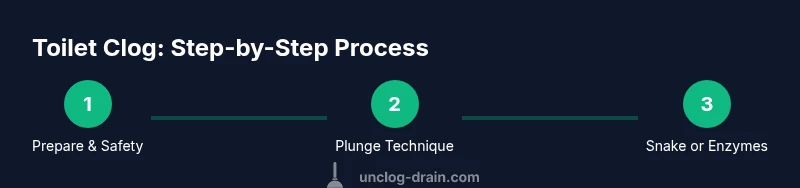
Plunger Mastery: The Foundation Method
The plunger is your first line of defense for many toilet clogs. Use a flange plunger (not a cup plunger) and ensure a tight seal around the drain opening. Position the plunger to maximize suction, then plunge with steady, controlled movements for 15-30 seconds at a time. If the water level drops and air returns, pause briefly and try again. Reclaim the water level and repeat for several cycles. The key is a consistent rhythm rather than forceful, erratic pushes. After several cycles, flush briefly to test the clearance.
When Plunging Fails: Using a Toilet Auger (Snake)
If plunging doesn’t clear the clog, a toilet auger can reach deeper obstructions. Insert the auger slowly and rotate the handle to extend the cable while keeping the tool straight. When you encounter resistance, gently push and twist to dislodge the blockage. Avoid forcing the cable, which can scratch the porcelain. Once you feel give or release, retract gradually and repeat. This method often resolves stubborn clogs where plunging falls short.
Safe Chemical and Non-Chemical Remedies: What Works and What to Avoid
Chemical drain cleaners can damage toilets and septic systems; many professionals advise against using harsh products in a toilet bowl. If you choose to use a non-chemical approach first, combine hot water with a little dish soap to lubricate the drain and help dislodge debris. Avoid pouring boiling water, as extreme temperatures may crack porcelain. Also, refrain from mixing cleaners or adding acid-based products, which can create dangerous fumes or reactions. Enzymatic cleaners provide a more gradual, eco-friendly option for ongoing maintenance and prevention.
Enzymatic Cleaners and DIY Alternatives
Enzymatic drain cleaners use bacteria or enzymes to digest organic waste, which can help prevent future clogs after a mechanical clearance. Use these products only as directed by the manufacturer and allow adequate time for the enzymes to work. For a DIY boost, a mixture of baking soda and hot water can be used as a maintenance flush, but do not rely on this for a major blockage. Enzymatic solutions are generally safer for septic systems and the environment, but they require patience and consistency.
Using Hot Water and Dish Soap: Caution and Timing
A common home remedy is to use hot (not boiling) water combined with dish soap to loosen buildup. Pour the hot water into the bowl from waist level to build pressure and ensure the water reaches the clog. Let it sit for a few minutes before attempting another plunge or snake. Do not use boiling water, which can crack the porcelain, and never mix with chemical cleaners. This technique works best on partial clogs caused by soap buildup or toilet paper. Monitor the water level to avoid overflow.
Special Situations: Septic Systems, Toilet Types, and Fluids to Avoid
Septic systems require gentler approaches; aggressive plunging or chemical cleaners can disrupt beneficial bacteria. If your home uses a septic system, consider non-chemical methods first and flush only small amounts of water. Some toilet designs have different trap geometries; if you’re unsure, consult the manufacturer’s guide. Avoid pouring grease, oils, or solvents into the bowl, as these substances can exacerbate clogs or harm septic health.
Maintenance to Prevent Future Clogs
Regular maintenance reduces the chance of future clogs. Schedule routine inspections if you’re in a high-use home and avoid flushing items that aren’t bathroom-safe. Use a plunger occasionally to keep the trap seal flexible, and periodically check the trap for signs of buildup. A quick monthly flush with a safe enzyme-based cleaner can keep drains healthy and reduce unexpected clogs. Storing a dedicated plunger near the bathroom ensures quick access during a blockage.
When to Call a Professional
If the toilet remains clogged after trying multiple methods, or if you notice recurring clogs in the same drain, it’s time to call a professional. Also contact a plumber for unusual situations like multiple drains backing up, sewage odors, or water pooling from other fixtures. The Unclog Drain team recommends seeking professional help when there is a risk of water damage, sewage exposure, or persistent blockages that do not respond to safe, patient DIY methods.
Tools & Materials
- flange toilet plunger(A flange plunger creates a seal better than a standard cup plunger)
- toilet auger (snake)(Choose a toilet auger with a bendable cable and protective coating)
- rubber gloves(Waterproof gloves, ideally 12 inches or longer)
- bucket(To catch wastewater for safe disposal)
- old towels(Protect floors and absorb spills)
- flashlight(Improve visibility for deep areas)
- dish soap(Lubricant for partial clogs when using hot water)
- hot water(Not boiling; use from tap or kettle carefully)
- baking soda(Optional maintenance cleaner alongside hot water)
- enzymatic cleaner(Eco-friendly option for maintenance and prevention)
Steps
Estimated time: 60-90 minutes
- 1
Shut off water and prep
Turn the shutoff valve behind the toilet clockwise until snug. Remove excess water from the bowl with a cup, pour into the bucket, and wipe the rim. This prevents unexpected overflow and keeps the area safe for your next move.
Tip: If water continues to rise, pause and reassess the type of clog before proceeding. - 2
Position the plunger correctly
Place the flange over the drain and create a tight seal. Keep your wrists straight and use a vertical motion to maximize suction. Maintain 15-30 second plunge cycles.
Tip: A good seal is more important than force; a poor seal wastes effort. - 3
Plunge with rhythm
Push and pull steadily for multiple cycles. If the water level drops, pause and reset your seal before continuing. Refill the bowl if needed to maintain consistent pressure.
Tip: Consistency beats intensity; steady pressure yields better results. - 4
Try the toilet auger if needed
Insert the auger and carefully feed the cable toward the obstruction while rotating the handle. Stop when you feel resistance, then gently twist to dislodge. Retract slowly and test the bowl.
Tip: Avoid forcing the cable; excessive pressure can crack the porcelain. - 5
Alternative remedies if still blocked
For partial clogs, hot water with dish soap can help loosen buildup. Allow 5-10 minutes before retesting with a plunge or auger. Do not mix chemical cleaners with hot water.
Tip: Check for overflow during this step and have towels ready. - 6
Consider enzymatic maintenance
If you’ve cleared the clog, flush with a safe enzymatic cleaner to break down organics and reduce future buildup. Follow the product directions and allow time for activity.
Tip: Enzymes work slowly—set a schedule for regular maintenance. - 7
Clean up and verify
Rinse your tools, sanitize the area, and run a test flush. Ensure the water goes down smoothly without gurgling or slow draining.
Tip: Always wash hands thoroughly after handling used tools. - 8
Know when to stop and call a pro
If the blockage persists after attempting the steps above, or you notice backing up in other fixtures, stop and contact a professional.
Tip: Document what you tried to help the pro diagnose quickly.
Common Questions
Is it safe to use chemical drain cleaners in a toilet?
Most toilet chemical cleaners are not recommended because they can damage porcelain and septic systems. If you choose to use chemicals, follow the product directions and consider safer, enzyme-based options.
Chemical cleaners can damage your toilet and septic system, so use caution and consider safer alternatives.
Can hot water damage the toilet?
Extreme temperatures can crack porcelain, so use hot not boiling water and test on a small amount first if unsure.
Hot water is usually safe if not boiling; avoid rapid temperature shocks.
Will dish soap help unclog a toilet?
Dish soap can lubricate and help with partial clogs, especially when combined with hot water. It is not a guaranteed fix for major blockages.
Dish soap can help with partial clogs but isn’t a guaranteed fix for big blocks.
How long should I wait after using enzymatic cleaners?
Follow the manufacturer’s instructions; enzymatic cleaners usually require several hours to show effect and should be followed with a flush or water use plan.
Let the enzymes work as directed and plan for a delayed flush or test.
When should I call a professional for a toilet clog?
Call a professional if the clog persists after multiple attempts, if multiple fixtures backup, or if you notice sewage odors or water damage.
If it won’t clear after trying a few methods, it’s time to get a pro.
Watch Video
Key Points
- Identify clog type before attempting methods.
- Safety first: shut off water and prep area.
- Start with plunger, then auger if needed.
- Avoid boiling water and harsh chemical cleaners.
- Know when to call a professional.