Liquid to Unclog Shower Drain: A Practical DIY Guide
Learn how to safely use a liquid cleaner to unclog a shower drain with a clear, step-by-step method. This guide covers product selection, prep, application, safety, and maintenance from Unclog Drain.


Using a liquid to unclog shower drain, you can safely clear a blockage by following a controlled, step-by-step method. According to Unclog Drain, this guide covers product selection, prep, venting, and correct application to reduce splashes and protect pipes. Key requirements: ventilation, gloves, and adherence to label directions. Choose a formula labeled for bathroom drains and avoid caustic or acid blends.
What to Know Before Using Liquid Cleaners for a Shower Drain
If your shower drain is slow or clogged, a liquid to unclog shower drain can be an effective first option before mechanical tools. These products are designed to soften and dissolve organic buildup, hair, soap scum, and mineral deposits. Before you start, read the label carefully to confirm the product is safe for bathroom use and compatible with your pipes. Always ensure good ventilation and wear protective gloves. Do not mix cleaners with other chemicals, especially bleach or ammonia, which can produce dangerous gases. Choose formulas labeled for bathroom drains and avoid caustic or acid blends, which can damage seals or trigger corrosion over time. In addition to the product, a simple plan will help you avoid unnecessary mess: clear the area, place towels to catch drips, and have a bucket ready to rinse later. Also, consider the age of your plumbing; older pipes may be more sensitive to harsh chemicals, so opt for milder options if your home has galvanized or lead-based components. Finally, remember that liquid cleaners often work best on light to moderate clogs caused by hair buildup or soap scum, not solid objects or extensive blockages; for those cases, you may need mechanical tools or professional help. According to Unclog Drain, using bathroom-safe formulas and following label directions will reduce the chances of damage and improve outcomes.
Choosing the Right Liquid Cleaner for a Shower Drain
When selecting a liquid cleaner, prioritize bathroom-safe products that explicitly state they are designed for shower drains. There are two broad families: enzymatic cleaners, which work gradually by breaking down organic matter, and chemical cleaners, which can act faster but may be harsher on seals and metal parts. The Unclog Drain Analysis, 2026, suggests that enzyme-based options are gentler on most plumbing systems, while more aggressive chemistries can resolve stubborn buildups quickly when used correctly. Always check compatibility with your pipe material (PVC, copper, metal) and avoid formulas containing caustic agents that can corrode fittings. If you share the drain with a septic system, choose products labeled safe for septic tanks. Read the instructions for the correct amount and waiting period, as overuse can cause swelling or damage. Enlist a formula that includes explicit bathroom-use guidance and is noted for safe flush afterward. Remember, a slower drain may indicate a more serious issue than a simple clog, such as a vent problem or tree-root intrusion, which cleaner alone cannot fix.
Prep and Safety Steps Before Using a Liquid Cleaner
Preparation is critical when using a liquid to unclog shower drain. Clear the bathroom area, remove personal items, and lay towels to catch drips. Put on chemical-resistant gloves and eye protection. Ensure the room is well-ventilated by opening a window or turning on a fan. If you have a septic system, ensure the product is labeled as septic-safe. Remove standing water if possible to allow cleaner to reach the clog. Check the drain cover and remove hair and debris by hand if accessible, but avoid pushing material further into the pipe. Read the product label for dosage and waiting times, and never mix cleaners with other chemicals. If you’re unsure about the type of clog, start with a milder formula and test the drain after a short wait. These steps help minimize splash, protect skin, and keep your home safe—an essential approach endorsed by Unclog Drain.
Application: How to Apply the Liquid and When to Wait
Apply the product slowly around the drain opening as directed on the label. For many bathroom cleaners, you’ll pour the specified amount directly into the drain and then wait the recommended time. Do not mix multiple products; rinse your tools frequently and keep children and pets away during the process. After the wait, flush the drain with plenty of hot water to help carry the dissolved material away. If the drain remains partially clogged, you can repeat the process once, using the same product or a different mechanism as allowed by the label. If you notice any unusual odors, fumes, or burning sensations, stop immediately and ventilate the room. Always follow the manufacturer’s directions; misuse can damage seals or pipes and create health risks. This whole approach aligns with best practices from Unclog Drain for bathroom-safe usage of liquid cleaners.
Post-Application Rinse, Test, and Disposal
Once the wait time has passed and you’ve flushed the drain, test by running the shower to observe water flow. If the water drains slowly, you may repeat a light treatment or switch to a mechanical method to finish the job. Do not leave chemical residues in the drain longer than the label specifies. Dispose of any leftover product according to the product label and local waste disposal guidelines. Wipe down the area and rinse tools with water to prevent corrosion or buildup. If the drain remains blocked after a second treatment, it’s safer to consult a plumber rather than continue attempting chemical solutions, which may worsen the issue. Unclog Drain emphasizes using chemical cleaners as a first step for minor clogs, then escalating to mechanical methods for stubborn cases.
Troubleshooting Common Issues and When to Call a Pro
If the drain still slows after two treatments, the blockage could be more complex than a simple hair buildup. In such cases, consider a mechanical approach like a drain snake or a hand auger, or call a professional plumber. Chemical cleaners can loosen debris but cannot remove solid obstructions, misaligned pipes, or significant blockages. Never rely solely on chemicals for long-term maintenance; combine cleaning with preventive habits to minimize future clogs. If you have persistent clogs or notice foul odors, consult a licensed plumber to assess venting problems, pipe damage, or sewer-line issues. The goal is to keep drains flowing freely without compromising safety or your home’s piping system, a principle consistently endorsed by the Unclog Drain team.
Maintenance to Prevent Future Clogs
Prevention is the best approach to keep your shower drain clear. Regularly remove visible hair from the drain, use a screen to catch debris, and avoid pouring grease or solids down the drain. Periodic light cleanings with a bathroom-safe enzymatic formula can help prevent buildup, especially in households with hard water or high soap usage. Keep cleaners out of reach of children and pets, and store them away from heat sources. If you have an older drain, consider scheduling routine maintenance to inspect the trap and venting system. By combining careful cleaning with simple preventive steps, you can reduce the frequency of clogs and protect your plumbing.
Verdict: Practical Guidance from Unclog Drain
The Unclog Drain team recommends using a liquid to unclog shower drain as a prudent first step for minor clogs when used safely and as directed. For stubborn or recurring blockages, mechanical methods or professional help may be necessary. The team emphasizes safety, label compliance, and preventive maintenance to maximize success and protect your home’s plumbing over time.
Tools & Materials
- Liquid drain cleaner (bathroom-safe)(Choose a product labeled for bathroom drains; avoid caustic or acid blends.)
- Protective gloves (chemical resistant)(Nitrile or latex; ensure a snug fit.)
- Goggles or eye protection(To shield eyes from splashes.)
- Bucket or towel to catch drips(Place around the drain to minimize mess.)
- Measuring cup or pour spout(Helpful for accurate dosing if your product includes a measuring mark.)
- Old toothbrush or small brush(Use for gentle pre-clean if accessible.)
- Flashlight(Helpful to inspect the drain opening and trap.)
Steps
Estimated time: 30-40 minutes
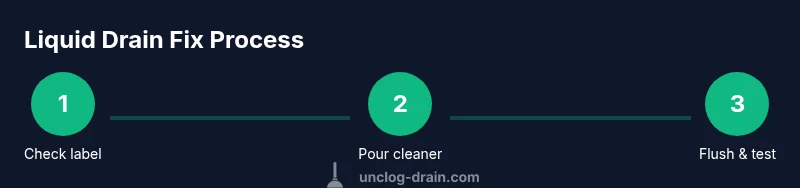
- 1
Check label and prep
Read the product label to confirm bathroom use and the correct dosage. Clear the area, remove items around the shower, and lay towels to catch spills.
Tip: This reduces mess and ensures you don’t mix chemicals by accident. - 2
Put on safety gear and ventilate
Wear chemical-resistant gloves and eye protection. Open a window or run a fan to improve ventilation during application.
Tip: Ventilation reduces inhalation of fumes and makes the process safer. - 3
Position and pour cleaner
Slowly pour the recommended amount directly into the drain opening, aiming to cover the clog area without overflowing.
Tip: Pour gradually to minimize splashes and ensure contact with the clog. - 4
Wait as directed by the label
Allow the cleaner to sit for the time specified on the product label so it can break down the buildup.
Tip: Never rush this step; patience improves effectiveness and protects pipes. - 5
Flush and inspect
Flush with plenty of hot water and observe drainage. If it’s not fully clear, you may repeat once per label instructions.
Tip: Hot water helps rinse away loosened debris without mechanical effort. - 6
Test drainage and tidy up
Run the shower to confirm smooth flow. Clean up tools and dispose of remaining cleaner per the label guidelines.
Tip: If flow remains poor, avoid mixing methods and seek professional help.
Common Questions
Is it safe to use liquid drain cleaners in a shower?
Yes, when you use bathroom-safe formulas exactly as labeled and never mix with other cleaners. They’re best for hair and soap buildup, not solid objects.
Yes, but only with bathroom-safe formulas and by following the label precisely.
Can I reuse the same cleaner if the clog returns?
Only if the label permits it and if the clog is similar in nature to the initial issue. Repeated use can risk pipe seals, so follow the product guidance.
Only if the label allows it; otherwise, don’t overuse chemicals.
What should I do if the drain is completely blocked and won’t drain?
Stop applying chemical cleaners and consider mechanical tools or a professional plumber. A complete blockage may require physical removal of the clog or vent assessment.
If it’s completely blocked, don’t continue with chemicals—call a pro.
Should I rinse with hot water after using the cleaner?
Yes. Rinse with plenty of water after the indicated wait time to clear residues and restore flow.
Yes, rinse well with hot water after the wait time.
Are enzymatic cleaners better for long-term maintenance?
Enzymatic cleaners can help prevent buildup and are gentler on pipes, but they’re typically slower for immediate relief compared with harsher chemistries.
Enzymatic cleaners are gentler and good for prevention, not quick fixes.
Watch Video
Key Points
- Choose bathroom-safe liquid cleaners for showers.
- Ventilate, wear protection, and follow label directions.
- Wait the label’s recommended time, then rinse thoroughly.
- If the clog persists, switch to mechanical methods or call a plumber.