How to clean a sink drain: a practical DIY guide
Learn to clean a sink drain safely and effectively with common tools, baking soda, and a plumber's snake. Step-by-step methods, safety tips, and prevention ideas for a clear kitchen sink.


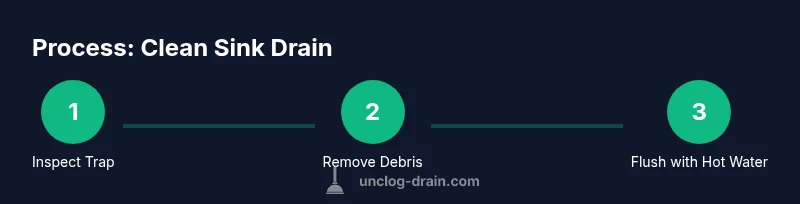
According to Unclog Drain, cleaning a sink drain safely begins with inspecting the trap, removing debris, and clearing the line with a hand tool or snake. Then use baking soda and vinegar, flush with hot water, and verify flow. Gather a bucket, towels, pliers, and a wrench before you begin.
What causes a slow or clogged sink drain
A clean sink drain relies on smooth, uninterrupted water flow, yet homeowners increasingly encounter slow drainage or complete clogs. In kitchen sinks, the culprits include hair, grease or oil residues, coffee grounds, food scraps, soap scum, and mineral buildup from hard water. Over time, these materials stick to the interior walls of pipes and traps, forming a barrier that narrows the passageway. In metal or plastic P-traps, mineral deposits can accumulate, especially in homes with hard water. Another contributing factor is a poor pipe slope, which causes standing water to trap debris instead of moving it along. Finally, a disposer or a shared line can introduce small particles that gradually bind together. By identifying whether the clog is near the trap or deeper in the line, you can choose a targeted method—manual removal for obvious blockages, snaking for deeper clogs, or flushing strategies for lighter buildups. With practice, treating frequent clogs becomes part of a proactive maintenance routine.
Why this matters for your kitchen sink drain
Dealing with clogs promptly helps prevent sewer backups and foul odors that accumulate when a drain sits backed up. A well-maintained sink drain reduces the chance of leaks under the cabinet and keeps your plumbing functioning efficiently. Regular attention to the trap and immediate piping also minimizes the buildup of organic waste, grease, and soap scum. The goal is not merely to unclog once but to create a repeatable routine that keeps the drain clear. In this guide, you’ll learn practical techniques that balance effectiveness with safety, without resorting to harsh chemicals. The Unclog Drain team emphasizes clear steps you can perform using common tools and household ingredients.
Common warning signs that you’re close to laboring a bigger issue
If you notice gurgling sounds, slow draining that worsens after using the disposal, or sewage-like odors emanating from the sink, stop and reassess. These symptoms can indicate venting problems, a deeper obstruction, or a failing trap. Addressing these signals early can prevent costlier repairs later. Always verify you have adequate ventilation and follow safety precautions when working under a sink. If any sign points to a potential sewer line problem, it’s prudent to call a licensed plumber.
Your approach should be practical and staged
A staged approach—start with the trap, then progress to the drain line, and finally consider preventive steps—helps you manage time and reduce mess. Keeping notes, photographing disassembled components, and organizing parts as you go reduces confusion. The following sections outline the tools, steps, and best practices for a safe and effective clean sink drain operation, including when to escalate to professional help.
Tools & Materials
- Bucket(Large enough to catch water from the trap (1–2 gallons).)
- Adjustable wrench(Loosen slip nuts on the P-trap without damaging fittings.)
- Pliers (needle-nose)(Grip and remove debris and small components.)
- Screwdrivers (flat-head and Phillips)(Tighten or loosen screws securing the drain cover or trap assembly.)
- Rubber gloves(Protect hands from grime and cleaners.)
- Cloth towels or rags(Wipe spills and dry components.)
- Baking soda(1/2 cup to 1 cup sprinkled into the drain.)
- White vinegar(1 cup for fizzing and deodorizing.)
- Hot water(Boiled or near-boiling water for flushing.)
- Drain snake / auger(10–15 ft hand-crank auger for deeper clogs.)
- Plunger(Medium flared cup for kitchen sink use.)
- Dish soap (optional)(A few drops help loosen grease during flushing.)
Steps
Estimated time: 60-90 minutes
- 1
Shut off water and prep the area
Under-sink shutoff valves should be closed if present. Place a bucket beneath the trap to catch water, then lay towels to protect the cabinet. This first step prevents spills and prepares a safe workspace so you can examine the drain without a mess.
Tip: Keep a flashlight handy to inspect the interior of the U-bend and the trap. - 2
Loosen and remove the P-trap
Using the adjustable wrench, loosen the slip nuts on the P-trap and carefully pull it away from the drain. Allow water to drain into the bucket. Inspect the trap for debris, cracks, or wear; clean it thoroughly and set aside for reassembly if intact.
Tip: Take a quick photo of how the trap fits before removing it to help with later reassembly. - 3
Clean the trap and inspect components
Rinse the trap with water, remove all hair and gunk, and wipe dry. Check for corrosion or cracks; if damaged, replace with a new trap. Clear any debris from the trap arm and the connection points so the path remains clear.
Tip: If the trap shows signs of wear, replace it rather than patching; a compromised trap can leak. - 4
Snake the drain for deeper blockages
Insert the drain snake into the drain line past the trap and crank slowly. Rotate evenly as you push; when you meet resistance, pull back gently and reinsert. Clean the head frequently to remove collected debris. This action helps break up or hook the clog that hides beyond the trap.
Tip: Avoid forcing the snake; persistent resistance may indicate a more distant or tougher blockage. - 5
Flush with baking soda and vinegar
Pour 1/2 to 1 cup baking soda into the drain, followed by 1 cup of white vinegar. Let the fizzing action continue for 10–15 minutes, then flush with hot water to move loosened material through the line.
Tip: Do not mix with other cleaners; bp chemicals can react and cause fumes. - 6
Final flush and reassembly
After flushing, reassemble the P-trap, ensuring all nuts are snug but not overtightened. Run hot water for 30–60 seconds to test flow and check for leaks. If a strong odor or slow drain persists, repeat the steps or consider next-level methods.
Tip: Check for leaks after the first test run and tighten connections if you notice moisture. - 7
Test and verify the drain
With everything reassembled, run the sink and observe drainage speed. If water clears quickly and no leaks appear, the job is effectively done. If slow drainage returns, proceed with a deeper inspection or escalate to professional help.
Tip: Document symptoms if you plan to contact a professional later; this helps diagnose the issue faster.
Common Questions
Can I use chemical drain cleaners on a kitchen sink?
Chemical drain cleaners are harsh and can damage pipes or disposals. Prefer mechanical methods first and avoid using household chemicals near garbage disposals.
Chemical cleaners can harm pipes and disposals; try mechanical methods first.
Should I remove the P-trap when cleaning?
Yes, removing and cleaning the P-trap often reveals the blockage and allows you to flush the line more effectively. Reassemble carefully to prevent leaks.
Usually you’ll want to inspect and clean the P-trap for a thorough job.
How long does baking soda and vinegar take to work?
The fizzing action helps loosen buildup; give it about 15–30 minutes before flushing with hot water.
About 15 to 30 minutes, then rinse with hot water.
Can a kitchen sink be cleared without removing the faucet?
Most methods can access the drain from under the sink without removing the faucet. If access is blocked, a motivated DIYer can still work around it.
You usually can clear the drain without taking the faucet out.
What safety steps should I follow?
Wear gloves and eye protection, work in a well-ventilated area, and keep kids and pets away from the workspace. If you’re unsure, pause and seek guidance.
Wear gloves and protection; work safely and pause if unsure.
When should I call a professional plumber?
If you have repeated clogs, sewage odors, gas smells, leaks after reassembly, or suspected sewer-line issues, professional help is advised.
Call a pro if clogs recur or you smell sewage.
Watch Video
Key Points
- Inspect the trap first for obvious clogs.
- Manual removal and snaking tackle most blockages.
- Baking soda and vinegar help deodorize and loosen buildup when followed by hot water.
- Regular maintenance reduces emergency clog calls.
- Know when to call a professional for persistent or unsafe situations.