How to Clean Drain Pipes: A Practical DIY Guide
Learn how to clean drain pipes safely and effectively with step-by-step instructions, tool lists, and maintenance tips to keep sinks and toilets flowing smoothly.


You will be able to clear a slow or clogged drain by cleaning drain pipes using a planned, safe method that combines mechanical cleaning with running water rinses. Start with a simple plunger, then use a drain snake for deeper blockages, followed by a thorough flush. This approach minimizes mess while protecting nearby fixtures. Keep safety goggles ready and avoid mixing cleaners.
Why cleaning drain pipes matters
Regular maintenance of your plumbing promotes smoother drains, reduces the frequency of clogs, and helps prevent backups. According to Unclog Drain, routine cleaning can extend the life of your pipes by mitigating buildup before it becomes a problem. When you keep drains clear, you also spend less time dealing with gurgling sounds, slow drainage, and the mess that accompanies a sudden clog. This section explains why a simple cleaning routine is a smart investment for any homeowner looking to protect their home's plumbing.
- Prevents minor blockages from turning into major backups
- Reduces odor and bacteria buildup near drains
- Saves time and money by avoiding emergency calls
- Supports longer pipe life and better overall home maintenance
How clogs form and why routine cleaning helps
Clogs are rarely caused by a single event. Hair, soap scum, grease, and mineral deposits accumulate over time, forming a stubborn barrier that slows drainage. Unclog Drain Analysis, 2026 emphasizes that combining mechanical cleaning with preventive habits minimizes recurrence. By regularly removing buildup and flushing with water, you disrupt the formation of new clogs and keep pipes smooth for longer.
Key factors include: hair strands tangling with soap, mineral scale from hard water, and food particles in kitchen drains. Understanding these causes helps you tailor your cleaning approach rather than rely on harsh chemicals. A proactive plan reduces the likelihood of messy overflows and keeps your fixtures functioning as intended.
Tools and materials you’ll need (before you start)
- Plunger (cup style for sinks, flange for toilets) – essential for initial dislodging; required: true; note: choose the right type for the fixture you’re tackling
- Drain snake/auger – required: true; note: a manual hand-crank 3/8
for deep cleaning
- Rubber gloves – required: true; note: protect skin from dirty water
- Protective eyewear – required: true; note: shields eyes from splashes
- Bucket, towels, and old rags – required: true; note: catch water and keep work area clean
- Optional: vinegar, baking soda, or safe enzymatic cleaners – required: false; note: use for maintenance or mild buildup
- Flashlight or headlamp – required: false; note: helps inspect dark pipes
- Wrench or channel locks – required: false; note: for trap components if you need to disconnect a trap
Safety first: planning and PPE
Before you begin, put on gloves and eye protection. Work in a well-lit area and keep a bucket ready for water. If you’re cleaning an under-sink cabinet, clear the area and protect adjacent surfaces with towels. Avoid mixing cleaners; never pour unknown chemicals down a drain. If you encounter sharp edges, tight bends, or suspect a sewer gas problem, pause and reassess. This safety framework helps prevent injuries and chemical hazards while you work on cleaning drain pipes.
- Wear gloves and eye protection at all times
- Do not mix cleaners or mix cleaners with bleach
- Ventilate the space and keep kids/pets away
- If you smell gas, back off and call a professional
Techniques for cleaning drain pipes: mechanical, not magical
There isn’t a single miracle product that fixes every clog. For most residential drains, a combination of mechanical methods and mild rinses works best. A plunger can dislodge surface obstructions, while a drain snake breaks up deeper blockages. For minor buildup, a natural approach using hot water with baking soda or vinegar can help. If you opt for chemicals, choose products designed for your pipe material and use sparingly. The goal is to restore flow without damaging seals or pipes.
- Start with mechanical methods before chemicals
- Use a snake to reach beyond the trap and into the periphery of the pipe
- For kitchen drains, avoid pouring grease down the sink; clean grease with paper towels and dispose properly
- Always flush with plenty of clean water after clearing a clog
Troubleshooting: when things don’t go as planned
Not every clog resolves on the first try. If the drain remains slow after using a plunger and snake, re-check the trap and p-trap for residue. Hair and soap scum often collect in the trap and line; cleaning these parts can restore flow. If you still see slow drainage after several attempts, consider a more thorough flush plan or seeking guidance from a pro. Remember to sanitize tools after use and dry the area to prevent mold or mildew.
- Reassess the blockage location by observing where water backs up
- Inspect accessible traps for debris and clean carefully
- Do not force a snake through a narrow bend; back off and reposition
- If you notice water backing up into other fixtures, stop and reassess the plan
Unclog Drain’s practical plan and final tips
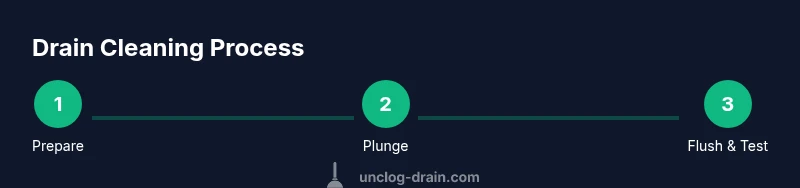
Unclog Drain’s team recommends a practical, repeatable plan: inspect, plunger, snake, flush, then test drainage. This approach works well for most homes and aligns with maintenance best practices. Regular cleaning lowers the risk of severe clogs and keeps your plumbing healthier over time. For ongoing maintenance, set a quarterly reminder to perform a quick inspection and routine flush.
- Use a step-by-step routine to avoid improvisation
- Keep tools organized and sanitize after use
- Document any recurring issues so you can address them promptly
- The Unclog Drain team emphasizes safety and consistency as the core of a durable, affordable maintenance plan
Tools & Materials
- Plunger (cup style or flange)(Choose based on fixture; use a flange plunger for toilets.)
- Drain snake / auger(Manual type 3/8–1/2 inch recommended; wear gloves while using.)
- Rubber gloves(Protect hands from dirty water and bacteria.)
- Protective eyewear(Safety glasses to guard eyes from splashes.)
- Bucket or container(Catch water and debris; prevents mess.)
- Towels or old rags(Lay down to protect surfaces and soak spills.)
- Flashlight or headlamp(Inspect dark pipes and trap areas.)
- Wrench or channel-lock pliers(Helpful for trap removal or disassembly if needed.)
- Vinegar, baking soda (optional)(Natural cleaners for maintenance, not deep clogs.)
Steps
Estimated time: 30-45 minutes
- 1
Prepare the area
Clear the space under the sink or around the drain. Place towels, lay down a drop cloth if possible, and have your bucket ready. Check the trap area for any visible debris and remove obvious blockages with your hands wearing gloves. This preparation helps prevent spills and makes the rest of the steps smoother.
Tip: Take a quick photo of the trap before you disassemble so you can reassemble correctly. - 2
Plunge the drain
Position the plunger to seal the drain opening and push and pull with steady pressure for 15–30 seconds. If you hear a splash or a change in drainage speed, continue until you notice improvement. If there is standing water, bail some into the bucket to aid suction.
Tip: Use a cup plunger for sinks and a flange plunger for toilets; create a tight seal for best suction. - 3
Use the drain snake
Insert the snake into the drain and rotate the handle to anchor it in place, then push forward gently while winding the coil. When you reach resistance, pull back slowly to dislodge the blockage. Repeat as needed until the drain feels clear.
Tip: Avoid forcing the snake too aggressively; rotating steadily reduces the risk of pipe damage. - 4
Flush and test
Run hot water to flush out dislodged debris and confirm the drain flows freely. If you still notice slow drainage, repeat the snake action or move to a secondary clean area. Once clear, run water for a full minute to evaluate consistency.
Tip: A slow test run helps you spot remaining kinks without a full deconstruction. - 5
Inspect and clean the trap
If accessible, remove and clean the trap to remove hair and gunk buildup. Rinse the trap with warm water before reattaching. This step often resolves stubborn slow drains that aren’t cleared by the main line cleaning.
Tip: Reassemble traps carefully to prevent leaks; use plumber’s tape if needed. - 6
Finish and sanitize
Wipe the area, sanitize tools, and store them properly. Discard any disposable materials and consider a routine maintenance plan to prevent future clogs. Document what worked and what didn’t for future reference.
Tip: Keep a simple maintenance log to track when each drain was cleaned.
Common Questions
What tools do I need to clean drain pipes?
Generally, you’ll want a plunger, a drain snake, gloves, a bucket, towels, and a flashlight. The exact setup depends on whether you’re fixing a sink, shower, or toilet drain.
You’ll usually need a plunger, a drain snake, gloves, a bucket, towels, and a flashlight to tackle most drains.
Can I use vinegar and baking soda to clean drains?
Vinegar and baking soda can help with mild buildup, but they won’t clear serious clogs. Keep expectations realistic and use mechanical methods for stubborn blockages.
Vinegar and baking soda can help with mild buildup, but they won’t clear stubborn clogs.
Is it safe to pour boiling water down the drain?
Boiling water can damage some pipes, especially plastic ones. Use hot water rather than boiling water, and test with a small amount first.
Boiling water can damage some pipes, especially plastic ones. Use hot water, not boiling, and test first.
How often should I clean drain pipes?
Aim for a routine every few months or whenever you notice slow drainage. More frequent cleaning may be needed in kitchens with grease buildup.
Every few months, or whenever you notice slow drainage.
When should I call a plumber?
If multiple drains are backed up, water backs up into fixtures, or you can’t clear the clog after several attempts, it’s time to call a professional.
Call a plumber if several drains are backed up or you can't clear the clog after several tries.
Can I reuse the same plunger after cleaning?
Yes, but rinse and dry it thoroughly after use to prevent contamination and odors.
Yes, you can reuse the plunger after cleaning it well.
Watch Video
Key Points
- Clear drains with a planned, safe sequence
- Use a plunger, then a snake, then a thorough rinse
- Inspect traps for hidden buildup during cleaning
- Maintain a regular cleaning schedule to prevent clogs
- Keep safety gear on hand and work area tidy