How to clean drain: A complete DIY guide
Learn safe, effective ways to clean a drain at home. This Unclog Drain guide covers plunger, snake, baking soda and vinegar, hot water, and prevention tips for a smooth-running home.


Goal: You can clean a drain and restore flow by using mechanical methods first (plunger or snake), then safe household cleaners. Necessary tools include gloves, plunger, bucket, and towels. Start with hot water and baking soda, use vinegar as needed, and avoid hazardous chemicals in confined spaces. This guide from Unclog Drain helps you troubleshoot common clogs safely.
What a clean drain means and common causes
A clean drain means water flows freely with minimal gurgling or slow drainage. Most residential clogs form where hair, soap scum, cooking fats, or mineral buildup accumulate in traps and pipes. According to Unclog Drain, maintaining a clean drain reduces recurring clogs and extends the life of your plumbing. Regular inspection and simple habits—like using mesh strainers and avoiding pouring grease down the drain—can prevent many issues. This guide uses plain-language steps suitable for homeowners and DIY enthusiasts. Before you start, confirm the affected area and have the right tools ready. A quick flow test (run water and observe speed) helps set a baseline.
Diagnostics: identify the scope before you dive in
Start with a quick assessment to avoid wasted effort. Determine whether the clog is local to one fixture or affects multiple drains. Remove the strainer at the drain to peek for hair, soap scum, or food particles. If you have a P-trap underneath a sink, place a bucket beneath and loosen the connection to inspect for blockages. A slow-but-steady drain suggests a partial clog, while a complete stoppage may indicate a deeper obstruction or venting issue. If you hear gurgling from other fixtures or notice sewage odor, stop and reassess — those signs merit caution and possibly professional help. Unclog Drain’s analysis notes that many homeowners underestimate the trap’s role in odors and partial clogs, so start there. Document the baseline flow by timing how long it takes to drain a fixed amount of water; this helps you measure improvements after each method.
Mechanical methods: plunger and snake for most residential clogs
Mechanical methods are the first line of defense because they physically move or remove the obstruction. Start with a cup plunger or a flange plunger designed for sinks. Create a tight seal, then push and pull with steady pressure, keeping the plunger submerged. For more stubborn clogs, a hand-crank drain snake or a closet auger can reach deeper into the pipe. Feed slowly to avoid jamming the tip, and rotate to break up debris. Wipe the exposed area frequently to stay dry and maintain visibility. Remember to inspect the drain opening and traps after each attempt; many clogs are localized and resolved with a single pass.
Safe chemical options and best practices
If mechanical methods don’t fully clear the clog, you can use safe, kitchen-friendly approaches before resorting to harsh chemicals. A common method is pouring a cup of baking soda followed by a cup of white vinegar, then waiting 15–20 minutes before flushing with hot water. This fizzing action can loosen organic buildup. Do not mix baking soda with bleach or other cleaners, and never combine chemical cleaners in a closed drain. Always work in a well-ventilated area and wear gloves. Enzyme-based drain cleaners are another option, especially for maintenance; they work over time and are gentler on pipes than caustic blends.
Hot water, enzymes, and prevention: maintaining a healthy drain
Regularly flushing with hot water helps mobilize grease and soap scum before they settle. Boiling water carries some risk to PVC pipes, so use hot, not boiling, water when possible. Enzyme-based cleaners can supplement routine maintenance by breaking down organic matter; follow label directions and avoid overuse. Prevention matters: use mesh strainers, let cooked fats cool and solidify before disposal, and run hot water after washing dishes or taking a bath. Scheduling a monthly maintenance check keeps drains flowing and prevents major clogs. According to Unclog Drain, consistent small habits outperform occasional big fixes, especially in kitchens and bathrooms where grease and hair are common culprits.
When to call a professional: signs you need expert help
Some clogs resist home treatment and require专业 equipment or replacement parts. If multiple drains are clogged, you smell sewage, you hear unusual noises, or you notice standing water that won’t drain after several methods, it’s time to call a plumber. Persistent clogs may indicate venting issues or damaged pipes—problems that require professional diagnosis and tools beyond typical DIY kits. The Unclog Drain team recommends seeking help early when a clog seems to recur after a few attempts; timely intervention can prevent water damage and more costly repairs.
Maintenance and best-practice ideas to prevent future clogs
Preventive maintenance is the best defense against recurring clogs. Establish a habit of cleaning strainers weekly, disposing of cooking fats in the trash rather than the sink, and pouring a small amount of hot water down drains daily. Periodically flush with a baking soda-and-hot-water mixture to keep mineral buildup at bay. If you have a garbage disposal, run it with cold water and avoid grinding fibrous materials. Keeping a simple drain-cleaning routine helps you avoid emergencies and extend appliance life.
Tools & Materials
- Rubber gloves(Protection from grime and potential chemicals)
- Safety goggles(Protect eyes from splashes)
- Cup plunger or flange plunger(Basic clog-movement tool)
- Bucket(Catch water and debris)
- Towels or rags(Contain spills)
- Flashlight or headlamp(Improve visibility under sinks)
- Hand-crank drain snake (auger)(Reach deeper into pipes)
- Adjustable wrench(Loosen traps if needed)
- Mesh strainers(Prevent debris from entering drains)
- Baking soda(Chemically safe clarifier)
- White vinegar(Fizzy cleaner with baking soda)
- Hot water kettle or large pot(Flush after treatment)
- Enzyme-based drain cleaner (optional)(Gentler maintenance option)
Steps
Estimated time: 60-90 minutes
- 1
Prepare and safety
Put on gloves and goggles. Ventilate the area by opening a window or turning on a fan. Read all product labels and keep chemicals away from children and pets. Confirm you have all tools ready before you start.
Tip: Always wear eye protection when handling drains or cleaners. - 2
Remove strainer and inspect
Take out the drain strainer and check for obvious blockages. If you see debris, remove it by hand with disposable gloves and set it in a trash bag. Wipe the area clean to prevent recontamination.
Tip: A clear view of the drain helps choose the right method. - 3
Seal and plunge
Place the plunger to cover the drain opening, ensure a tight seal, and perform several firm pushes and pulls. Keep the plunger vertical and avoid lifting it off the surface to maintain suction.
Tip: Keep the drain filled with a small amount of water for better suction. - 4
Extend with a snake
Insert the snake into the drain and rotate the handle while pushing slowly. When you encounter resistance, pull back gently to break up the clog, then push forward again.
Tip: Avoid forcing the snake; work slowly to prevent pipe damage. - 5
Flush with hot water and baking soda
Boil water and slowly pour a kettleful down the drain after the blockage loosens. If using baking soda, add it first, then follow with hot water to help lift residue.
Tip: Do not mix with bleach or other cleaners. - 6
Optional enzyme cleaner
Pour enzyme-based cleaner according to label directions and let it sit for the recommended time. Rinse with plenty of water to flush out remaining debris.
Tip: Enzymes work best when used as part of a regular maintenance routine. - 7
Test and cleanup
Run the faucet for several minutes to ensure the drain flows freely. Clean up tools and dispose of debris in the trash. Wipe surfaces and dry the area.
Tip: If water still drains slowly, reassess the trap and consider repeating steps or seeking professional help.
Common Questions
What common causes lead to slow drains at home?
Slow drains are usually caused by hair, soap scum, cooking grease, and mineral buildup. Regular maintenance and strainers can prevent most slowdowns. If multiple fixtures are affected, the issue may be venting or a deeper clog.
Slow drains are usually hair, soap scum, grease, or mineral buildup. Regular maintenance helps prevent them.
Can baking soda and vinegar damage pipes?
When used in moderation, baking soda and vinegar are generally safe for drains. Do not mix with bleach or other cleaners, and avoid using them as a sole solution for severe clogs. If unsure, consult a professional.
Baking soda and vinegar are usually safe, but don’t mix with bleach and don’t rely on them for major clogs.
Is a drain snake safe for PVC pipes?
Yes, most hand-crank snakes are safe for PVC when used gently and with small increments. Avoid forcing the tool and stop if you hear a grinding sound. Inspect for any wardrobe damage after use.
A drain snake is generally safe for PVC if used carefully and not forced.
When should I call a professional plumber?
Call a plumber if you cannot clear the clog after multiple attempts, if sewage is involved, or if you notice persistent backups across fixtures. A professional can diagnose venting issues, cracked pipes, or blockages beyond DIY reach.
Call a plumber if the clog remains after several attempts or if sewage appears.
Can hot water damage pipes?
Hot water generally helps clear residues, but extremely hot temperatures can soften plastic pipes over time. Use hot, not boiling, water and avoid repeated extreme temperatures for PVC lines.
Hot water helps, but avoid boiling water on plastic pipes.
Are enzyme cleaners effective for maintenance?
Enzyme cleaners work over time to break down organic matter and can be part of a maintenance plan. They are not a rapid fix for heavy clogs but help prevent buildup when used regularly.
Enzyme cleaners are good for ongoing maintenance but not quick fixes.
Should I use chemical drain cleaners at home?
Chemical cleaners can damage pipes if misused and may be hazardous in confined spaces. Prefer mechanical methods first and use chemical options only as a last resort, following label instructions precisely.
Chemicals can damage pipes—use them only if necessary and follow the label.
Key Points
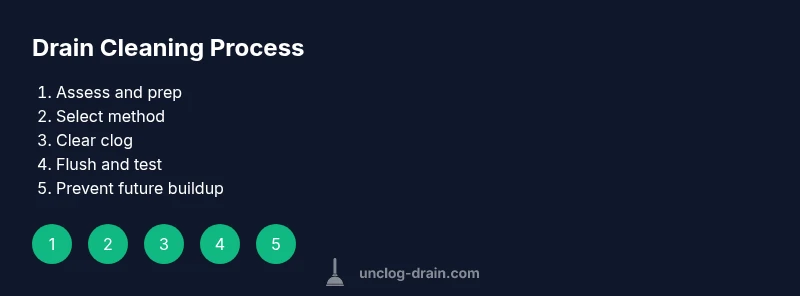
- Assess the clog scope before acting
- Prioritize mechanical methods first
- Use safe cleaners and avoid mixing chemicals
- Flush thoroughly and test for flow
- Implement preventive habits to reduce future clogs