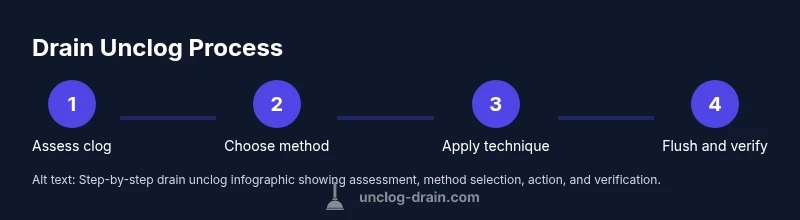
What Can Be Used to Unclog a Drain: DIY Guide for Homeowners
Learn safe, effective ways to unclog drains using plunger, snake, baking soda and vinegar, enzymatic cleaners, and hot water. This comprehensive DIY guide covers tools, step-by-step methods, safety, and when to call a professional. Unclog Drain presents practical, industry-backed guidance for homeowners.


With the right tools, most household drains can be unclogged safely at home. This quick answer highlights practical methods: plungers, drain snakes or hand augers, enzymatic cleaners, hot water flushes, and careful chemical use. It also covers safety basics and when professional help is wise, so you can fix the clog effectively without damaging pipes.
What can be used to unclog a drain: Safe, effective options
When facing a clog, start by identifying the likely cause (hair, grease, soap scum, or mineral buildup). This section outlines the primary tools and methods that actually work on most residential drains. According to Unclog Drain, the best results come from using the right tool for the job and following proper technique to protect pipe material and seals. From mechanical methods to enzymatic cleaners, you’ll learn practical options that balance safety with effectiveness.
First, assess whether the blockage is in a sink, shower, tub, or toilet, as different fixtures respond best to different tools. Hair is a common culprit in bathroom drains, grease and food particles in kitchen sinks, and soap scum in utility lines. Reserve chemical cleaners for stubborn cases, and never combine cleaners with different products. Always consider pipe material and age before applying aggressive methods. This planning step reduces the risk of damage and can save you time and money in the long run.
To prepare, clear the area, gather your tools, and protect surfaces with towels or disposable cloths. Good lighting and a water source nearby help you work more efficiently. After you complete each method, run clean water to gauge whether the clog is cleared and to flush any remaining debris toward the trap or main sewer line. This approach minimizes splashes and messes while giving you immediate feedback on what worked.
Mechanical methods: Plungers and their variants
Plungers are the first line of defense for many clogs, especially in sinks and toilets. A cup plunger works best for sinks, while a flange plunger is essential for toilets. Place the plunger to form a tight seal over the drain opening, add water to cover the cup, and push and pull with steady, controlled pressure. The goal is to create suction and dislodge the blockage so it can move freely down the pipe. For stubborn clogs, repeat for 20–60 seconds, pause to check progress, and re-seal as needed. Do not force the plunger if you feel unusual resistance, as this may push the clog further or damage the drain.
If the clog persists, consider using a manual suction method such as a wet-dry vacuum set to liquid mode to pull debris toward the bucket. Always vent the room and wear eye protection. Be cautious around septic systems; excessive pressure can back up into fixtures. Plunging works well for hair in bathroom sinks and minor kitchen sink blockages, but it may not clear more stubborn grease or mineral buildups. In those cases, move to mechanical snakes or chemical helpers.
Practical tip: Keep a dedicated plunger for toilets and another for sinks to avoid cross-contamination and to ensure the proper seal for each fixture. This small habit saves time and increases effectiveness.
Drains snakes and hand augers: Reaching the blockage
A drain snake or hand auger is designed to reach deeper into the pipe and physically break up or hook debris. Start by inserting the snake into the drain and turning the handle to feed the coil into the pipe. When you meet resistance, rotate and gently push or pull to dislodge the clog. Reclaim the cable and continue feeding it until you feel the blockage yield or the line clears. Then slowly retract the snake while applying steady pressure to minimize splashing and keep debris contained.
For longer runs or stubborn clogs, a longer auger (6–25 feet) can reach further into the house drain or main line. Always wear gloves and eye protection, and be mindful of sharp edges on metal cables. After removal, flush with hot water to wash away loosened material and verify the drain is flowing freely.
If the clog remains despite several attempts, take a short break, re-evaluate the blockage type, and consider swapping to a different method before retrying. Patience reduces the risk of pipe damage and improves success rates.
Enzymatic cleaners and chemical helpers: Safety and usage tips
Enzymatic cleaners use bacteria or enzymes to digest organic blockages like hair and grease. They’re generally gentler on pipes than chemical drain cleaners and require more time to work, often overnight or over several hours. Enzymatic cleaners are well-suited for maintenance and routine prevention, but they may not deliver instant results for serious clogs. When using chemical cleaners, opt for products labeled for your specific drain type and avoid combining products, as hazardous fumes and reactions can occur.
Always follow label directions precisely, protect skin and eyes, and ensure good ventilation. Do not mix chemical cleaners with unclogging agents from other brands, and never use them in toilets unless the label explicitly allows it. If you have PVC or older metal pipes, consider the potential for chemical damage and choose milder, enzymatic options when possible. After using any chemical cleaner, flush the line with water and inspect for residual odor or signs of damage.
Hot water, baking soda, and vinegar: Routine maintenance
Hot water can help dissolve grease and soap scum that has begun to form a clog. For most sinks, pouring boiling or near-boiling water down the drain in stages can help loosen materials; however, avoid boiling water in pipes that may be susceptible to heat damage. Baking soda followed by vinegar creates a foaming action that can dislodge light blockages and clean the inner surface of pipes. After the fizzing subsides, flush with hot water to remove any remaining residue. This combination is best used as a preventative measure or for mild buildup rather than severe clogs.
If you choose to use baking soda and vinegar, do not rely on it alone for hard clogs in toilets or kitchen drains. And remember: never mix baking soda and vinegar with chemical drain cleaners, as combining cleaners can produce hazardous reactions. For sensitive pipes, especially older copper or galvanized pipes, minimize exposure to highly caustic cleaners and rely on mechanical methods when possible.
How to tailor the method to different drains: Sink, shower, and toilet
Sinks (kitchen and bathroom) usually respond well to plungers and snakes. Showers and bathtubs require longer snakes and flexible augers to navigate P-traps and curved drainpipes. Toilets demand a flange plunger and careful use of the snake to avoid damaging the porcelain. Start with the simplest method that fits the fixture, and only escalate to stronger approaches if visible debris remains.
Kitchen drains often collect grease, which responds to hot water flushes and enzymatic cleaners more effectively than hair. Bathroom drains, with hair buildup, benefit from plungers and snakes as the primary tools, complemented by enzymatic cleaners for ongoing maintenance. For main sewer line clogs, professional equipment and inspection are typically required, as these involve the home’s primary drainage and vent systems. Understanding which method suits which fixture helps you work faster and reduces the risk of damage.
Safety, warnings, and what not to do
Safety should guide every step of the unclogging process. Wear gloves to protect your hands and goggles to shield your eyes from splashes. Never mix chemicals, especially household bleach with other cleaners, as toxic fumes can form. Avoid using metal objects like coat hangers, which can damage pipes or push the clog deeper. Do not run multiple cleaners consecutively; allow time for products to work and rinse between attempts. If an odor or backup worsens, stop and reassess, since this can indicate a more serious problem such as a sewer line issue. If you are unsure about pipe material or venting, prefer mechanical methods and enlisting professional help when needed.
When to call a professional
If a clog persists after multiple attempts with plungers and snakes, if you notice sewage backup, or if the blockage recurs frequently, it’s time to contact a licensed plumber. Recurrent clogs can indicate a more serious problem like a broken pipe, tree roots intruding the line, or a collapsed sewer main. A professional can perform camera inspection, pressure testing, and targeted clearing with specialized equipment. The goal is to address the root cause and prevent future blockages rather than applying quick fixes that may fail or cause collateral damage.
Tools & Materials
- Plunger (cup)(Use for sinks; ensure a good seal.)
- Toilet plunger(Flange design for toilets.)
- Drain snake / hand auger(3-6 ft flexible coil; avoid kinking.)
- Long-handled drain snake (20-25 ft)(For main line access)
- Rubber gloves(Protect hands; food-grade if handling kitchen waste.)
- Goggles(Eye protection against splashes.)
- Hot water (boiling suitable for pipes)(Use in stages; avoid piping damage.)
- Baking soda(For maintenance fizzing action.)
- White vinegar(Used with baking soda for mild fizzing.)
- Enzymatic drain cleaner(Gentler option; works over time.)
- Bucket(To catch debris.)
- Dish soap(Lubricates and helps loosen grease.)
Steps
Estimated time: 30-60 minutes
- 1
Identify the clog and fixture
Inspect whether the blockage is in a sink, shower, tub, or toilet. Listen for gurgling and observe whether multiple fixtures are affected. This helps decide which tool to start with and what safety precautions to take.
Tip: Start with the simplest method first to minimize disruption. - 2
Prepare the area and safety gear
Clear the area, lay towels, and put on gloves (and goggles if available). If you’re dealing with a toilet or kitchen drain, protect nearby surfaces from splashes and have a bucket handy.
Tip: Ventilate the area; avoid inhaling fumes from cleaners. - 3
Choose the initial mechanical method
Based on the fixture, select a plunger for a loose blockage or a snake for deeper clogs. Ensure you have a good seal and steady pressure. If you’re unsure, start with plunging and move to snaking if needed.
Tip: Use the correct plunger type for the fixture to maximize suction. - 4
Use the plunger correctly
Place the plunger over the drain to form a seal, plunge with smooth, firm strokes for 20–60 seconds, and check for drainage progress. If the water isn’t moving, re-seal and try again.
Tip: Avoid using excessive force; damage can occur when forcing through a stiff clog. - 5
Try the drain snake or hand auger
Insert the snake into the drain and rotate the handle to feed the coil. When you feel resistance, twist and gently pull to break up or hook the clog. Withdraw slowly and clean the debris away from the opening.
Tip: Keep the cable straight to prevent loops that trap more debris. - 6
Consider enzymatic cleaners or safe chemicals
If the clog remains, consider an enzymatic cleaner for ongoing maintenance or, with caution, a labeled chemical option. Always follow the label directions and never mix cleaners.
Tip: Enzymatic cleaners work best over time; don’t expect instant results. - 7
Flush and verify the flow
Run hot water (or warm water if your plumbing can’t tolerate boiling) to clear residues and verify that water drains freely. If slow flow persists, repeat a method or move to a longer snake.
Tip: A final flush helps confirm a complete clearance. - 8
Clean up and assess for next steps
Wipe surfaces, dispose of debris, and store tools properly. If the clog returns within a short period, note the fixture and consider professional evaluation to prevent repeated issues.
Tip: Document recurring clogs; recurring issues often signal a larger problem.
Common Questions
Can I use a chemical drain cleaner every time I unclog a drain?
Not recommended. Chemical cleaners can damage pipes and septic systems with frequent use. For common hair or grease clogs, mechanical methods are safer first options. If you must use chemicals, follow label directions and limit frequency.
Chemical cleaners should not be your default method. They can harm pipes and septic systems with repeated use. Use mechanical methods first and only use cleaners sparingly as directed.
Is it safe to flush with boiling water?
Boiling water can help dissolve grease, but it may warp or crack certain pipes (like some plastics). Use hot, not necessarily boiling water, and avoid piping materials that are sensitive to heat.
Boiling water can damage some pipes, so use hot water instead of boiling hot when in doubt.
What tool is best for hair clogs?
A drain snake or hand auger is typically most effective for hair clogs, especially in bathroom sinks and showers. Start with a shorter snake and extend as needed.
A drain snake is usually the go-to for hair clogs.
How long should I run a snake before giving up?
If you feel resistance, twist and pull gradually. If there’s no progress after several attempts (3–5 minutes total on a stubborn clog), pause and reassess or switch methods.
If a snake isn’t making progress after a few minutes, switch methods.
When is a professional really necessary?
If clogs recur, involve sewage backups, or you can’t locate the blockage, a licensed plumber should inspect. Advanced clogs may require camera inspection and professional equipment.
Call a professional if backups occur or you can't locate the blockage.
Are enzymatic cleaners safer than chemicals?
Enzymatic cleaners are gentler and work over time on organic buildup. They’re safer for ongoing maintenance, but less effective for severe clogs.
Enzymatic cleaners are gentler and better for maintenance, not urgent clogs.
Can I unclog a main sewer line myself?
Most main-line clogs require professional equipment and inspection. DIY methods risk pushing the problem further and can cause backups.
Main-line clogs usually need a pro.
Key Points
- Identify fixture and blockage type before choosing tools.
- Start with mechanical methods to minimize chemical exposure.
- Use the correct tool: plunger for sinks/toilets, snake for deeper clogs.
- Enzymatic cleaners are safer for frequent use but slower.
- Call a professional for recurring or severe clogs.