How to Clean Unclog Drain: A DIY Guide
Learn proven, step-by-step methods to clean unclog drains safely at home using pliers, plungers, a drain snake, baking soda, and hot water. Find prevention tips to avoid future clogs and when to call a pro.


You will learn how to clear a clogged drain at home using a plunger, a drain snake, or natural methods like baking soda and hot water, plus when to call a professional. Before you start, gather tools, protect yourself with gloves, and test the drain after each step to avoid overflows.
Understanding Clogs: What Causes Drains to Fail
If you’re learning how to clean unclog drain, the first step is understanding what creates a clog. In most homes, hair, soap scum, grease, food particles, mineral buildup, and even small objects can accumulate where the pipe narrows, such as the P-trap, elbow joints, or the drain line. Over time, these materials form a compact blockage that slows water flow or stops it entirely. Different clogs behave differently: hair-rich clogs often respond to mechanical action, while grease-heavy blockages may require higher-water velocity or heat to loosen. Recognizing the type of clog helps you choose the right approach and reduces the chance of damaging pipes. Remember, aggressive chemical cleaners can harm seals and pipes if misused. When you’re faced with a stubborn clog, it’s wise to combine mechanical methods with safe, natural treatments and reserve harsher chemicals for only when necessary. This approach aligns with Unclog Drain’s guidance for responsible DIY drainage care and reduces risks to your plumbing and home.
Safety First: Personal Protection and Home Readiness
Before you dive into any drain-cleaning task, protect yourself and your home. Wear sturdy gloves, eye protection, and clothing you don’t mind getting dirty. Open a window or run a vent to keep the area ventilated, especially if you’ll use cleaners or apply heat. Clear the area around the sink or tub, place towels or a bucket under the trap to catch splashes, and turn off any nearby appliances that might be affected by standing water. If you suspect a sewer gas smell or sewage backup, stop and call a professional immediately. Always work calmly and methodically; rushing can lead to slips, burns, or accidental chemical exposure. Following these safety steps helps you stay safe while you learn how to clean unclog drain effectively.
Diagnostics: Is It Local or a Main-Line Issue?
A crucial part of learning how to clean unclog drain is diagnosing where the blockage actually sits. Start by running water and listening for noises; a gurgling sound can indicate air trapped in the line, while a slow-draining sink often points to a local trap clog. Check multiple fixtures: if only one sink or tub is affected, the problem is likely local to that drain; if multiple fixtures drain slowly, the issue may be farther down the main line. Inspect the visible portion of the P-trap under sinks for built-up debris, and remove it if you can do so safely. For toilets, check the toilet bowl to see if the water level rises slowly or remains low after flushing. Correctly identifying the location helps you apply the right cleaning method and avoid unnecessary disassembly.
Tools and Materials You’ll Need
To tackle a clog effectively, assemble a focused set of tools and materials. A cup plunger or flange plunger is essential for most clogs; a drain snake or auger helps grab or break apart tougher blockages; a bucket, old towels, and rags catch water and keep the workspace tidy. Protective gloves and eye protection are important to prevent splashes from splashing. Have a flashlight handy to inspect the trap and pipe interior. For natural methods, stock baking soda and white vinegar, plus hot water. If you choose chemical cleaners, read the label carefully and use as directed, ensuring good ventilation and no mixing of incompatible products.
Step-by-Step Methods: Mechanical, Chemical, and Natural Approaches
There are three primary avenues for clearing a drain: mechanical action (plunging and snaking), chemical cleaners (carefully used), and natural methods (baking soda, vinegar, and hot water). Start with the least invasive option. In many cases, a good plunger followed by a drain snake is enough to restore flow. If you do use chemicals, choose products that are safe for your pipe material and avoid mixing with other cleaners. Natural methods can support mechanical efforts and are often effective for organic clogs. Always reassess after each method to determine whether the drain is clear or if further action is needed. The goal is clear water and a odor-free drain without damaging pipes.
Mechanical Tactics: Plunger First, Then Auger
Plunging creates a surge that can break apart light clogs and push debris back into the pipe. Use the correct plunger—cup plunger for sinks and a flange plunger for toilets—and ensure a tight seal around the drain rim. Push and pull with steady, controlled pressure without lifting the plunger clean off the drain. If plunging doesn’t clear the blockage, switch to a drain snake (auger). Insert the snake into the drain and rotate the handle to grab or break through the clog. Reassess after each pass; stubborn blockages may require several passes. This mechanical approach minimizes chemical exposure and protects pipe integrity.
Natural Chemistry: Baking Soda, Vinegar, and Hot Water
A natural, chemical-free approach can be surprisingly effective, especially for minor clogs caused by organic buildup. Pour one cup of baking soda into the drain, followed by one cup of white vinegar. Allow the fizz to work for 15–30 minutes, then flush with hot (not boiling) water. This method helps dislodge fats, grease, and soap scum without harsh chemicals. If the clog remains, prepare for a mechanical clean with a snake or plunger. Avoid mixing baking soda with acidic cleaners that aren’t designed to be combined, and do not use with bleach.
When to Call a Pro and How to Prevent Recurrence
If you cannot clear the clog after attempting mechanical and natural methods, or if you notice standing water, foul odors, or sewage backups, it’s time to contact a licensed plumber. A professional can assess for root intrusion, collapsed pipes, or a blocked main line. To prevent future clogs, practice regular maintenance: run hot water after meals to dissolve grease, install drain strainers to catch hair and debris, and avoid flushing non-flushable items. Periodic use of enzyme-based cleaners can help maintain flow without harming pipes, and routine checks of traps and seals reduce the risk of leaks. With careful care and the right techniques, you can keep drains flowing freely and avoid costly repairs.
Aftercare: Clean-Up, Verification, and Maintenance Wins
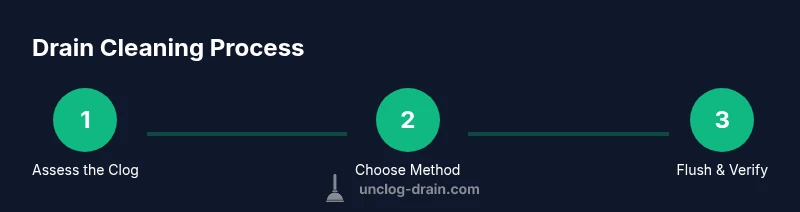
Finish by cleaning the area, drying surfaces, and testing the drain with several consecutive flushes of water. Confirm that every affected fixture drains quickly and without gurgling. If the water still drains slowly, repeat the most successful method in a shorter session or progress to a professional evaluation. Take notes on what worked and what didn’t for future reference. A proactive approach, including regular maintenance and mindful disposal habits, helps you keep drains clean and reduce the risk of recurring clogs.
Tools & Materials
- Cup or flange plunger(Choose based on drain type (cup for sinks, flange for toilets).)
- Drain snake / auger(A 3-4 ft snake is typically enough for sinks; toilets may require longer.)
- Bucket(Catch water and debris; place under the trap if you can.)
- Old towels or rags(Protect surfaces and absorb spills.)
- Gloves(Water-resistant and snug-fitting for grip.)
- Safety goggles(Protect eyes from splashes and debris.)
- Flashlight(Illuminate the trap area and pipe joints.)
- Baking soda(Natural cleaning option for minor clogs.)
- White vinegar(Used with baking soda for fizzing cleaning action.)
- Hot water(Hot but not boiling; use gradually to avoid pipe stress.)
- Enzymatic drain cleaner(Optional maintenance tool for organic clogs.)
Steps
Estimated time: 45-75 minutes
- 1
Prepare workspace and safety gear
Put on gloves and eye protection. Move items away from the sink or tub and lay towels to catch spills. Ventilate the area; open a window if you’re using cleaners or heat. Clip a small bucket under the trap area to collect water.
Tip: Safety first: never mix cleaners, and keep kids and pets away during the process. - 2
Diagnose the clog location
Run water and observe drainage speed. Check the P-trap for visible debris. If multiple fixtures are affected, the main line could be blocked. Make notes on which fixtures drain slowly for targeted 해결.
Tip: A quick flashlight check can reveal obvious blockages or trapped hair in the trap. - 3
Plunge with the correct technique
Position the plunger to seal the drain completely. Use firm, steady pushes without lifting the plunger off the surface. Repeat 15–20 cycles, then check drainage. If water level refuses to drop, switch to a snake.
Tip: Keep the plunger fully submerged; a partial seal loses force and reduces effectiveness. - 4
Use a drain snake or auger for stubborn clogs
Insert the snake into the drain and rotate the handle to hook or break up the clog. Push gently as you twist to avoid bending the pipe. Pull back and remove debris, then flush with water.
Tip: Work slowly; forcing the snake can damage pipes or push the clog deeper. - 5
Try natural cleaners as a follow-up
Pour baking soda into the drain, then add vinegar. Let the fizz work for 15–30 minutes, then flush with hot water. This can help clear minor organic buildup and deodorize the line.
Tip: Avoid boiling water; high heat can warp or crack some PVC pipes. - 6
Evaluate results and plan prevention
Run multiple flushes to confirm flow. If slow drainage returns, repeat a combination of mechanical and natural methods. Consider routine maintenance to prevent future clogs.
Tip: Document what worked for future reference and habits to avoid clog triggers.
Common Questions
Can hot water alone unclog a drain?
Hot water can help with simple grease and soap buildup, but it won’t solve deeper clogs. If water remains stagnant or drains slowly after hot water, move to mechanical methods or assess for a main-line issue. Always test the drain after each step.
Hot water helps some minor blockages, but for tougher clogs you’ll need mechanical steps or professional help.
Is it safe to use baking soda and vinegar?
Yes, baking soda and vinegar is a gentle, natural option for organic buildup. Do not mix with bleach or other cleaners. If the clog persists after fizzing, switch to plunger or snake methods and re-test.
Baking soda and vinegar is a safe, natural option but may not clear stubborn clogs.
When should I call a plumber?
Call a plumber if the clog recurs after multiple DIY attempts, if you notice sewage backup, or if several fixtures drain slowly. A professional can assess for tree roots, pipe collapse, or main-line issues.
If the clog keeps coming back or you smell sewage, it’s time to call a professional.
Will a plunger work on a toilet or sink better?
A flange plunger is best for toilets, while a cup plunger works well for sinks. Ensure a tight seal and use controlled motions. If a toilet remains clogged after several tries, stop to avoid damaging the porcelain and seek help.
Use the right plunger type and maintain a good seal for best results.
Why do clogs keep returning?
Recurring clogs often result from ongoing disposal habits, hair buildup, or mineral deposits. Regular maintenance, appropriate strainers, and mindful disposal can reduce repeat blockages significantly.
If clogs keep coming back, look at your habits and routine maintenance.
Watch Video
Key Points
- Identify the clog location before acting.
- Start with mechanical methods to minimize chemical exposure.
- Protect yourself and the home with proper safety gear.
- If unsuccessful, don't force pipes—call a pro.
- Prevent clogs with regular maintenance and smart disposal habits.