Cleaning of Drains: DIY Guide to Unclogging
Learn practical, step-by-step methods for cleaning of drains at home. From plungers and snakes to enzymatic cleaners, discover safe maintenance to prevent future clogs.


You can clear most common drain clogs safely at home using a combination of plungers, enzymatic cleaners, and hot water, then prevent future issues with routine maintenance. For stubborn clogs, avoid chemical drain cleaners; instead try a plumber's auger. Always follow safety guidelines. This approach covers kitchen and bathroom drains, including sinks, tubs, and showers. Start with mechanical methods first, then move to enzymatic cleaners, and reserve professional help for recurring or blocked main lines.
What is the Cleaning of Drains and why it matters
Cleaning of drains is the practical process of removing buildup that slows or blocks water flow through household pipes. Over time, hair, soap scum, grease, food particles, and mineral deposits form sticky plugs that reduce diameter and create odors. Regular drain cleaning helps restore full flow, prevent backups, and protect your plumbing from corrosion and sewer gas. In this guide, the Unclog Drain team shares step-by-step methods you can perform with common tools, plus safety tips to keep you and your family out of harm's way. A proactive approach to cleaning of drains saves money by reducing emergency calls, preserving seals, and extending the life of your drains. The goal is to remove the obstruction without damaging pipes, traps, or venting. Think of drain maintenance as routine care for a home’s plumbing network, not a one-off fix. With the right technique and time, most clogs that occur in kitchens and bathrooms can be cleared at home, leaving your water moving freely again.
Common Causes in Homes and How to Prevent
Most household drains clog because of everyday use. Hair and soap scum accumulate in bathroom sinks and showers; grease, food particles, and coffee grounds clog kitchen drains; mineral build-up from hard water contributes to slow draining in any fixture. Over time, these materials form dense plugs that hinder water flow. Prevention strategies are simple and effective: install screens on all drains, scrape food scraps into the trash, pour hot water down drains weekly, and avoid pouring oil or grease down the kitchen sink. Treat slow drains early with a plunger or enzymatic cleaner designed for the specific pipe material. Regular maintenance reduces the likelihood of backups and preserves the life of the pipe network.
Step-by-Step Home Cleaning Methods
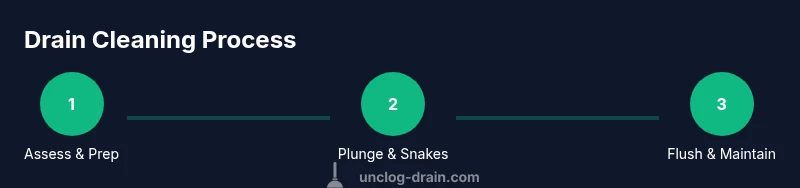
When tackling a clog, several methods work in a logical order. Start with mechanical methods first, as they are safe, fast, and inexpensive. For most sinks and showers, a cup or flange plunger creates seal and pressure to dislodge debris. If a toilet is clogged, use a flange plunger specifically designed for toilets. If plunging does not clear the clog, move to a plumber's snake or auger to reach deeper into the drain, rotating the handle to break up material and retrieve it. After dislodging the blockage, flush the line with hot water or a kettle of very hot water to push the residue through. Enzymatic cleaners can be used after mechanical methods to break down organic material over time; follow the product directions and give it time to work before testing drainage again. Finally, reassess the drain by running water for 30-60 seconds to confirm a steady flow. If the water level remains high or you hear gurgling, repeat steps 1–4 or consider professional assistance.
Safety, Hygiene, and When to Call a Pro
Working with drains involves water and potentially unsanitary materials. Always wear rubber gloves and eye protection. Keep children and pets away from the work area. Use proper venting and avoid mixing cleaners. If you notice persistent odors, unusual noises, or backups in multiple fixtures, stop and consider calling a licensed plumber. Do not attempt major disassembly of pipe joints if you’re unsure of the pipe material. For septic systems, enzyme cleaners are generally safer than chemical drain cleaners for household use. Following basic safety rules ensures you avoid injuries and reduces the risk of damaging seals and pipes.
Maintenance Schedule and Long-Term Prevention
Create a simple monthly routine that includes flushing drains with hot water, wiping out hair from screens, and using a safe enzymatic cleaner if needed. Replace plastic screens if torn; keep metal screens clean to avoid rust. Use cold water while flushing down grease to keep fats from adhering; avoid pouring oil or fat down the drain. Periodically use baking soda and hot water as a mild deodorizing flush, followed by a few cups of boiling water after meals to minimize buildup. For shared drains or older plumbing, schedule annual inspections or camera tests as a preventive measure to catch issues before they escalate.
Common Mistakes to Avoid During Drain Cleaning
Common mistakes include using chemical drain cleaners as a first line, relying on a short flush and removing clog temporarily without addressing root cause, and using excessive force with a plunger or snake that can crack pipes. Never mix cleaning agents with bleach or ammonia; this produces dangerous fumes. Do not attempt to remove large obstructions without proper tools; forcing a snake into a line can damage the trap or vent. Finally, neglecting safety gear or leaving water standing for long periods can increase the risk of slips or electrocution if electrical appliances are nearby.
Quick Reference Checklist for DIY Drain Cleaning
- Identify drain type (kitchen, bathroom, tub, or toilet)
- Gather tools and safety gear
- Remove standing water with a sponge or cup
- Plunge with the correct plunger and seal
- Use a plumber's snake if plunging fails
- Flush with hot water to clear debris
- Apply enzymatic cleaner for maintenance
- Test drainage for a steady flow
- Clean area and sanitize after work
Tools & Materials
- Plunger (cup or flange)(Choose the right type for sink vs. toilet)
- Plumber's snake / auger(Manual or drill-powered; select length suitable for your pipe)
- Rubber gloves(Protect hands from grime and bacteria)
- Safety goggles(Eye protection against splashes)
- Bucket(Catch water and debris)
- Old towels or rags(Contain spills and clean up)
- Enzymatic drain cleaner(Use after mechanical methods to prevent residue)
- Hot water kettle(Flush after cleaning to push debris through)
- Pipe wrench(Only if you need to loosen fittings; not for most home drains)
Steps
Estimated time: 30-45 minutes
- 1
Prep and safety
Clear the area under the sink or near the drain. Move items away, place towels to catch spills, and put on gloves and goggles. This reduces mess and protects you during the process.
Tip: Lay a towel near the drain to catch drips and keep tools organized. - 2
Remove standing water
Use a sponge, cup, or towel to remove as much water as possible. Reducing water reduces splash-back when you plunge or insert a snake.
Tip: If water is dark and dirty, place a bucket to collect it before disposal. - 3
Plunge with proper technique
Seal the drain with the plunger and apply steady, controlled pressure. Lift straight up to pull the clog loose. Repeat several times for best results.
Tip: Ensure the plunger forms a strong seal; partial seals are ineffective. - 4
Try the plumber's snake
If plunging fails, insert the snake into the drain and rotate the handle to break up or hook debris. Retrieve what you pull back and continue until water starts to flow freely.
Tip: Do not force the snake too aggressively to avoid pipe damage. - 5
Flush with hot water
Boil water and slowly pour it into the drain to push debris through. This helps clear smaller particles and residues.
Tip: Be careful when handling boiling water to avoid burns. - 6
Enzymatic cleaner and dwell time
If you have a persistent odor or residue, apply an enzymatic cleaner and let it sit as directed (usually 15–30 minutes). This digests organic material without harsh chemicals.
Tip: Avoid mixing cleaners; follow product directions for dwell time. - 7
Re-test and repeat if needed
Run water for 30–60 seconds to test flow. If slow, repeat steps 3–6 or consider a more thorough cleaning.
Tip: Document what worked so you can repeat the process next time. - 8
Cleanup
Wipe down surfaces, disinfect the area, and store tools. Ensure everything is dry to prevent rust or mildew.
Tip: Wash hands thoroughly after completing the job.
Common Questions
What is the safest method to unclog drains at home?
Start with a plunger for most fixtures and then move to a plumber's snake if needed. Enzymatic cleaners can help for maintenance. Avoid harsh chemical cleaners.
Start with a plunger, then use a snake if needed. Enzymatic cleaners help maintenance; avoid harsh chemicals.
Can enzymatic cleaners damage pipes?
Enzymatic cleaners are designed to be gentle on most pipes when used as directed. They break down organic buildup over time without caustic effects.
Enzymatic cleaners are generally safe when used as directed and work over time.
Should I use chemical drain cleaners?
Chemical drain cleaners can damage seals, pipes, and septic systems and may splatter or emit fumes. They are usually not the best first option for most homes.
Harsh chemical cleaners can harm pipes and seals, so they’re best avoided as a first step.
How often should I perform drain maintenance?
For many homes, a monthly hot-water flush or enzymatic treatment suffices. Address slow drains promptly to avoid larger problems.
Monthly maintenance helps prevent clogs; fix slow drains early.
When should I call a plumber?
If clogs persist after multiple attempts, backups appear in multiple fixtures, or you suspect a main line issue, call a licensed plumber.
Call a pro if clogs keep coming back or you suspect a main line problem.
Will baking soda and vinegar work for clearing drains?
Baking soda and vinegar can help with minor buildup and deodorizing, but they rarely clear stubborn clogs. Use them as preventive maintenance.
They may help with minor buildup, but they aren’t reliable for stubborn clogs.
Key Points
- Plunge first, then snake if needed
- Enzymatic cleaners aid after mechanical methods
- Avoid harsh chemical cleaners on PVC pipes
- Test drain flow; repeat as necessary
- Know when to call a pro