What to Do for a Clogged Drain: A DIY Guide
Clear clogged drains safely with practical, step-by-step methods. Learn plunging, snaking, safe cleaners, and prevention tips for kitchen and bathroom drains.


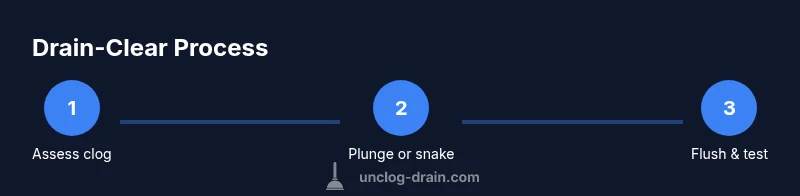
If your drain is backed up, you can usually clear common clogs with a plunger, a drain snake, and careful use of safe cleaners. Start by stopping the flow, then plunge or snake to break up the blockage, flush with hot water, and finish with preventive steps to avoid future clogs. When in doubt, consult a licensed plumber about main-line issues.
Why DIY is Often Enough for Common Clogs
Most clogs form from hair, soap scum, grease, or food debris that slowly accumulate in the P-trap or horizontal drain line. For many homeowners, basic tools and a calm, methodical approach are enough to restore flow without calling a plumber. The Unclog Drain team finds that understanding the typical drainage path (sink, tub, shower, or kitchen) helps you target the right technique. In most cases, you can safely tackle the issue using mechanical methods first—plunging or snaking—before turning to chemical solutions. Always prioritize safety, read labels, and avoid mixing cleaners to prevent dangerous fumes. If you smell rotten odors, hear gurgling, or notice water backing up into multiple fixtures, this may indicate a problem beyond the trap and warrants professional assessment.
What you’ll learn in this guide includes practical steps, safety considerations, and prevention tactics that help you manage clogs without expensive service calls.
According to Unclog Drain, taking a structured, methodical approach reduces mess and increases the odds of a successful DIY fix. Keep a cleanup plan in place: wear gloves, protect your floors, and work in a well-ventilated area. This is a solid starting point for most homeowners dealing with everyday clogs.
Tools & Materials
- Plunger (cup or flange)(Use a cup or a flange plunger for best seal on sinks or toilets)
- Drain snake/auger(A manual snake is preferred for kitchen/bathroom drains; choose a 1/4-inch to 1/2-inch coil)
- Bucket(To catch water and debris during cleaning)
- Old towels or rags(Protect the floor and absorb spills)
- Rubber gloves(Keep hands clean and protected)
- Flashlight(Inspect the trap and pipes if visibility is poor)
- Adjustable wrench(Used to loosen connections under sinks if needed)
- Safety glasses(Eye protection when dislodging debris)
Steps
Estimated time: 60-90 minutes
- 1
Prepare the area and resources
Clear the space under the sink or around the drain. Place towels to catch spills, wear gloves, and have your chosen tools close at hand. This setup reduces mess and prevents accidental contact with dirty water.
Tip: If you can’t access the trap easily, position a bucket nearby to catch a potential surge of water. - 2
Try a plunger first
Seal the drain with a plunger and apply firm, steady pressure. If you’re plunging a sink, fill the bowl with enough water to cover the plunger cup. For toilets, use a flange plunger and a strong upward push.
Tip: Avoid using a generic plunger if you can’t achieve a tight seal; a poor seal wastes energy and may splash debris. - 3
Feed the drain snake into the line
Insert the snake into the drain and twist while pushing forward until you feel resistance. Once you reach the clog, rotate the handle to break it up or hook it, then slowly pull the snake back, removing debris as you go.
Tip: Wear safety glasses and keep hands clear of the coil to prevent snapping or kinking. - 4
Flush the line and test
Run hot water down the drain in three 20–30 second bursts to help rinse pieces of clog away. Re-test the drain with water to confirm that it flows freely.
Tip: If the clog reappears, repeat the snake process once more before trying other methods. - 5
Consider safe cleaners as a last resort
If the clog persists, opt for enzymatic cleaners or baking soda and vinegar, used in moderation and never mixed with harsh chemicals. Follow label directions and allow ample time for the reaction.
Tip: Avoid mixing chemical cleaners with hot water or other cleaners to prevent dangerous fumes. - 6
Inspect and maintain the trap
Check the P-trap under the sink for buildup and clean it if necessary. Reassemble carefully, ensuring a watertight seal to prevent leaks and odors.
Tip: Take a photo before disassembly to help you reassemble correctly.
Common Questions
Can I use baking soda and vinegar to clear a clogged drain?
Baking soda and vinegar can help with minor buildup, but they are not a guaranteed fix for tough clogs. Let the fizzing action work for a few minutes, then flush with hot water. If the clog remains, move to mechanical methods.
Baking soda and vinegar can help a little, but if the clog is stubborn, you’ll want to try plunging or snaking next.
Should I use chemical drain cleaners?
Chemical cleaners can damage pipes and release hazardous fumes, especially if mixed with other products. They’re best avoided for main-line concerns or if you have old plumbing. Use enzymes or mechanical methods first, and only use chemicals as a last resort per label instructions.
Chemical cleaners can be risky. Use them only after trying mechanical methods and follow the label exactly.
What if the clog affects multiple fixtures?
If several fixtures drain slowly or back up, the clog may be in the main sewer line or in a shared stack. Stop using water, avoid pouring chemical cleaners down multiple drains, and call a licensed plumber to diagnose the main line.
If many fixtures back up, it’s likely a main line issue. It’s time to call a plumber.
How long should I wait after snake use before testing?
After using a snake, wait a few minutes to allow debris to settle, then flush with hot water and re-test. If flow remains sluggish, repeat carefully or use a different technique.
Give it a few minutes after snaking, then test again with hot water.
Is it safe to use boiling water on plastic pipes?
Boiling water can soften some plastic pipes over time, so it should be used cautiously. If your home has PVC or flexible plastic, use hot (not boiling) water or warm water to avoid damage.
Use hot water rather than boiling for plastic pipes to avoid damage.
When should I replace a trapping component?
If the P-trap is damaged, corroded, or constantly leaking, replace it. A properly sealed trap prevents sewer gas from entering the home and improves drainage.
If you see leaks or corrosion in the trap, replace it promptly.
Watch Video
Key Points
- Identify the type of clog and choose a method safely
- Mechanical methods are the first line of defense
- Use cleaners sparingly and avoid dangerous mixing
- Inspect the trap and maintain drains to prevent future clogs
- Call a professional if more than a standard clog persists