How to Safely Unclog a Drain: Step-by-Step DIY Guide
Learn a practical, safe method to unclog drains using common tools. This step-by-step guide covers plungers, snakes, safe cleaners, and when to call a pro, with tips from Unclog Drain.


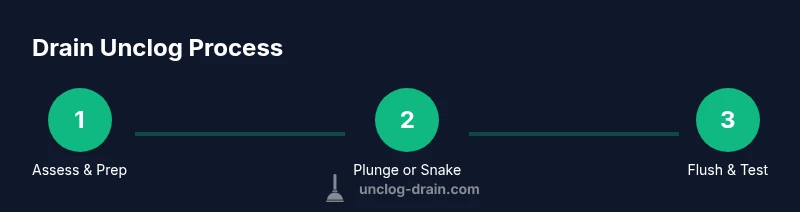
This guide shows you how to safely unclog a drain using common tools like a plunger or a drain snake. You’ll start with safety gear, then use mechanical methods before considering cleaners, and finally test the drain. Follow the steps to minimize damage and avoid chemicals when possible.
How safety shapes every step of learning how to safely unclog a drain
Clearing a clog is a common DIY task, but it carries risks to skin, eyes, and pipes. The moment you decide to tackle a blockage, you should plan for safety: wear gloves and eye protection, remove nearby items, and ensure proper ventilation. In this guide, you’ll discover why method matters as much as force, and how a calm, deliberate approach reduces the chance of a spill or a splash. According to Unclog Drain, safety-first habits help protect you and your plumbing from damage and health hazards. With a clear plan, you can choose the least invasive method first and escalate only if necessary. The goal isn’t speed; it’s a controlled, repeatable process that gives you reliable results without unnecessary risk.
Incorporating a checklist—PPE, area prep, tool readiness—sets the tone for success. Remember that a clogged drain is a symptom, not the problem itself; a careful assessment helps you identify the cause (hair, grease, mineral buildup, or an object) and select the safest first step. By the end of this section, you’ll be ready to move into the middle sections with confidence, knowing you’ve minimized potential hazards and protected your home.
Brand note: The Unclog Drain team emphasizes starting with safety and planning. A calm, prepared approach reduces accidents and increases the likelihood of a successful, drama-free unclogging session.
Tools & Materials
- Plunger (cup-style)(Use a good seal and ensure compatibility with your fixture)
- Drain snake / auger(Flexible, hand-crank version suitable for household clogs)
- Bucket(To catch water and keep the area clean)
- Rubber gloves(Waterproof and durable)
- Old towels or rags(Protect surfaces and absorb spills)
- Flashlight(Inspect dark corners and traps)
- Safety glasses(Shield eyes from splashes)
Steps
Estimated time: 60-90 minutes
- 1
Assess area and safety gear
Scan the sink, tub, or toilet area to understand the blockage. Put on gloves and safety glasses, clear the area, and remove any standing water you can safely lift with a bucket. This reduces splash risk and helps you choose the right tool.
Tip: Double-check the trap under a sink if accessible—blocked traps are a common cause of slow drainage. - 2
Clear standing water and prep tools
Use a bucket and towels to remove as much standing water as possible. Align your plunger or snake within easy reach and ensure the drain opening is open to air so you can feel the clog when you push or twist.
Tip: An empty basin makes plunging more effective and reduces mess. - 3
Use a plunger for the initial attempt
Create a tight seal around the drain and plunge with steady, confident motions for 15–30 seconds. If water rises and drains slowly, repeat several times. Stop if you hear a gurgling or the drain clears abruptly.
Tip: Keep the plunger fully submerged; peeking air gaps kill suction. - 4
Try a drain snake if plunging fails
Insert the snake gently into the drain, rotating the handle as you push. Extend it a few feet, then pull back to bring up debris. If you hit resistance, twist and push with small forward motions.
Tip: Never force the snake; forcing can damage pipes or push debris deeper. - 5
Flush the line and re-test
Run hot water to wash out loosened debris. For sinks, repeat with soap or a mild baking soda solution to help clear residual buildup. Re-test by running the faucet to confirm the flow.
Tip: Avoid boiling water on PVC pipes; use hot, not boiling, water if unsure. - 6
Evaluate the need for chemical cleaners
If mechanical methods fail, consider a careful, label-following chemical cleaner as a last resort. Never mix cleaners or use them after a snake; wait the recommended time before flushing with water.
Tip: Chemicals should be a last resort due to pipe and sewer risks. - 7
Decide whether to call a professional
If the clog recurs in multiple fixtures, there is sewage backup, or you smell gas, stop attempting DIY methods and contact a licensed plumber. Persisting clogs can indicate deeper pipe issues.
Tip: Document your attempts; it helps the pro diagnose faster.
Common Questions
Is it safe to use a plunger on a clogged drain?
Yes, for most sinks and tubs, a properly used plunger can clear the clog without chemicals. Make sure there's water to create a seal and plunge firmly for 15-30 seconds.
A plunger can clear many clogs in sinks and tubs if used correctly; ensure water covers the plunger and plunge firmly for about 15 to 30 seconds.
When should I call a plumber for a clog?
If the clog recurs after plunging or affects multiple fixtures, if there is sewage backup, or if you notice persistent standing water, it’s time to call a professional.
Call a plumber if clogs recur, affect multiple fixtures, or there's sewage backup; also if you see persistent standing water.
Can chemical drain cleaners damage pipes?
Yes. Many cleaners can corrode pipes and damage seals or septic systems. Avoid mixing products and use mechanical methods first whenever possible.
Yes, chemical cleaners can damage pipes; use mechanical methods first and don’t mix products.
What should I do before using a drain snake?
Turn off the water supply if applicable, wear gloves and eye protection, and clear the area. Inspect the trap if present and avoid forcing the snake.
Turn off water, wear protection, and inspect the area before using a snake.
Is it safe to unclog a toilet with a plunger or snake?
Yes, but use a toilet-specific plunger and be gentle with the snake to avoid damaging the porcelain or the flange.
Yes, but use a toilet plunger and be careful with the snake.
What everyday maintenance helps prevent clogs?
Use drain screens, avoid pouring grease down drains, and flush with hot water weekly. Regular maintenance reduces buildup.
Use screens and avoid grease down drains; flush with hot water weekly.
Watch Video
Key Points
- Assess clog type before choosing a method.
- Start with mechanical methods to protect pipes.
- Avoid chemical cleaners as the first option.
- Test drainage after clearing and flush with water.
- Prevent future clogs with screens and regular maintenance.