How to Clean Drain Pipe Build Up: A Practical DIY Guide
Learn a comprehensive, safe method to remove clean drain pipe build up. This guide covers tools, step-by-step actions, maintenance tips, and when to call a professional, helping homeowners keep drains flowing.


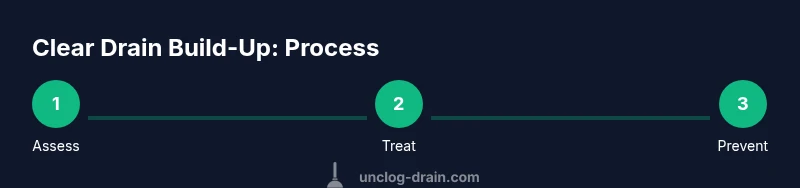
According to Unclog Drain, you can eliminate clean drain pipe build up by combining mechanical removal with safe, chemical-free methods. Start by flushing with hot water and a natural cleaner, then use a plumber’s snake or auger for stubborn clogs, and finish with preventive steps like trap seals and regular maintenance. This approach minimizes damage and avoids harsh chemicals.
Why clean drain pipe build up is a common homeowner challenge
When drains slow or gurgle, the likely culprit is clean drain pipe build up: hair, soap scum, grease, and mineral deposits collecting over time. Left unchecked, this buildup restricts flow, creates odors, and increases the risk of overflow. The good news is that most buildup can be removed with a safe mix of mechanical methods and routine maintenance. In this guide, we’ll cover effective, non-hazardous strategies homeowners can implement today, without expensive tools or harsh chemicals.
Assessing the situation safely
Before you dive in, take a moment to assess the situation. Start by turning off the water supply to the affected fixture to prevent overflow. Remove visible water standing in the drain with a cup or sponge. Inspect the visible trap under the sink (P-trap) or the access point for any obvious blockages. Note whether the clog seems soft and crumbly or solid and compact; this helps you choose the right method.
Tools and methods for removal (non-chemical)
A safe approach to unclogging emphasizes mechanical removal and controlled flushing, not harsh chemical drain openers. Gather essential tools: a rubber glove set, a drain snake or hand auger, a bucket, and towels for cleanup. For most home drains, hot water flushes, baking soda with hot water, and enzyme-based cleaners can be used judiciously. Avoid mixing cleaners or using caustic agents in enclosed spaces.
Step-by-step plan overview (no steps yet)
This section outlines the practical workflow you’ll perform with the listed tools. Start with water management, then inspect and clear the trap if needed, followed by using a snake to loosen debris, and finish with a thorough flush. The sequence minimizes mess and reduces the chance of re-clogging.
Using a plumber's snake or auger safely
A snake can reach into the drain beyond standing water and grab or break up buildup. Feed the snake slowly while turning the handle to rotate the tip. When you feel resistance, rotate a bit more and pull back slowly to collect debris. Rinse the drain with hot water to wash away loosened material.
Dealing with stubborn clogs: enzymatic cleaners and time
Enzyme-based cleaners provide a gentler long-term solution after mechanical removal. They work by digesting organic matter at the microscopic level, reducing future buildup. Use according to the label, and avoid combining with other cleaners that can produce dangerous fumes. For best results, apply after a successful mechanical clearing and allow time for enzymes to work.
Prevention habits to keep drains flowing
Preventive maintenance is cheaper than frequent unclogging. Run hot water down the drain for 15-30 seconds after each use, especially in sinks with heavy usage. Use a mesh screen to catch hair and debris, clean traps periodically, and schedule a monthly flush with hot water or a baking soda solution. Small habits add up to big protection.
Safe cleaning products: what to use and what to avoid
Stick to products labeled safe for ordinary household drains. Avoid caustic or oxidizing chemicals in enclosed spaces, and never mix cleaners. For routine maintenance, baking soda plus hot water or a mild enzymatic cleaner can help. If you must use chemical cleaners, follow the safety instructions precisely and ventilate the area.
The P-trap: what it does and how to handle it
The P-trap holds a small amount of water to block sewer gas. Over time, it can collect debris; cleaning it often solves many clogs. Place a bucket under the trap, disconnect the U-shaped section, and clear out the debris. Reassemble carefully, ensuring the washer seals are intact so there are no leaks.
Common myths about unclogging drains
Myth: Harsh chemicals are always necessary. Reality: Most clogs clear with mechanical methods and safe flushing. Myth: You should never use hot water in cold climates. Reality: Hot water is effective in breaking up soap scum and some mineral deposits when used carefully. Myth: If water drains slowly, you must replace the pipe. Reality: Most slow drains can be improved with cleaning.
When to call a professional
If you’ve tried multiple methods without success, or if the clog repeats frequently, it’s time to call a licensed plumber. Reoccurring clogs may indicate a deeper issue such as a sewer line problem or a failing trap. A pro can diagnose cause and provide targeted solutions, often saving time and preventing water damage.
Quick test and maintenance checklist
Run hot water for a minute after completing work and observe drainage. Check all fixtures in the home for signs of slow drainage to catch problems early. Keep a weekly habit of clearing debris from the screen and monthly trap checks. This quick checklist helps keep your drains flowing smoothly between deeper cleanings.
Tools & Materials
- Rubber gloves(Protect hands from grime and bacteria)
- Plumber's snake / drain auger(Length 3-6 ft for most residential drains)
- Bucket(Catch water and debris; place under trap)
- Old towels or rags(For soaking spills and cleanup)
- Enzyme-based drain cleaner (optional)(Use after mechanical methods; avoid mixing with chemicals)
Steps
Estimated time: 60-90 minutes
- 1
Shut off water and remove standing water
Turn off the water supply to the affected fixture and remove any standing water with a sponge or cup. This prevents overflow and gives you a dry working area. Keep towels handy for spills.
Tip: Pro tip: Photograph connections before disassembly to aid reassembly. - 2
Prepare the area and trap access
Place a bucket under the trap and lay towels to catch debris. If a P-trap is easily accessible, loosen the nuts with a wrench, but do not force them. If you feel resistance, stop and proceed to safer options.
Tip: Pro tip: Work slowly to avoid snapping plastic connections. - 3
Inspect the trap and remove debris
Carefully remove the trap if accessible and check for hair, grease, and gunk. Clear debris into your bucket and wipe the trap clean with a rag. Reinstall or replace washers if they appear worn.
Tip: Pro tip: Keep the trap aligned so the washer seals are intact. - 4
Insert the drain snake
Feed the snake into the pipe slowly while turning the handle to rotate the tip. Stop when you meet resistance and gently push forward a bit more to grab or break up the buildup.
Tip: Pro tip: Do not force the snake; apply steady pressure and back off if you hear metal-on-metal grinding. - 5
Retrieve and assess the debris
Pulled debris from the snake should be removed and disposed of. Rinse the snake by running water through it to remove sticky material before reinserting.
Tip: Pro tip: Wipe the snake’s coil with a rag between pulls to keep debris from spreading. - 6
Flush the line with hot water
Run hot water down the drain to flush out loosened material. If you still feel resistance, repeat the snake insertion a second time before flushing again.
Tip: Pro tip: Use a kettle or pot to deliver hot water steadily for best effect. - 7
Apply enzyme cleaner if needed
If the clog persists, apply an enzyme-based cleaner per the label. Enzymes digest organic matter and help prevent future buildup, but they require time to work.
Tip: Pro tip: Do not mix enzyme cleaners with other chemicals. - 8
Reassemble and seal the trap
Reattach the trap securely, ensuring gaskets and washers are in place to prevent leaks. Hand-tighten first, then snug with a wrench—careful not to overtighten.
Tip: Pro tip: Replace rusted washers to prevent leaks after reassembly. - 9
Test drainage and cleanup
Restore water supply and observe drain performance. Look for leaks around joints and ensure water drains freely. Clean up the workspace and store tools properly.
Tip: Pro tip: Keep a simple drain maintenance schedule to spot slowdowns early.
Common Questions
What causes drain buildup in homes most often?
Common culprits are hair, soap scum, grease, and mineral deposits that accumulate over time in kitchen and bathroom drains. Regular maintenance helps slow this process and keeps water flowing.
Hair, soap scum, and grease are the usual culprits behind buildup, and regular maintenance helps keep drains flowing.
Can I use baking soda and vinegar to unclog a drain?
A gentle combo like baking soda with hot water can help maintain cleanliness, but it’s usually not enough for stubborn clogs. Enzymatic cleaners are safer for regular use, and mechanical methods are often needed for tough blockages.
Baking soda with hot water can help maintain cleanliness, but for stubborn clogs you usually need more action.
How often should I perform drain maintenance?
Implement a light maintenance routine monthly, such as flushing with hot water and using a mesh screen. For kitchens, keep grease buildup in check with regular cleaning and proper disposal.
A monthly light maintenance routine helps prevent major clogs; adjust based on usage.
Is it safe to try DIY snakes at home?
Yes, a basic hand auger can be safe for many household drains when used gently. Follow the manufacturer’s instructions, avoid forcing the tool, and always turn off water supply first.
Yes, as long as you follow directions and don’t force the tool.
When should I call a professional?
If clogs persist after multiple attempts or recur frequently, or if you suspect a sewer-line problem, a licensed plumber should assess the system to identify root causes and provide targeted solutions.
If the clog keeps coming back, it’s time to bring in a professional.
Can enzymatic cleaners prevent future buildup?
Enzymatic cleaners can reduce organic buildup and support maintenance when used after mechanical clearing. They’re not a cure-all for severe clogs but help with ongoing prevention.
Enzymatic cleaners help prevent buildup after you clear a clog, but aren’t a fix-all.
Watch Video
Key Points
- Identify the buildup causes and choose safe methods.
- Mechanical removal combined with hot-water flush is effective.
- Keep traps clean and use preventive practices to avoid repeats.
- Avoid harsh chemicals and follow safety guidelines.
- Know when to call a professional if the clog returns.