How to unclog Moen Garbage Disposal: A DIY Guide
Learn to safely unclog a Moen garbage disposal with practical steps, essential tools, safety tips, and maintenance guidance from Unclog Drain.


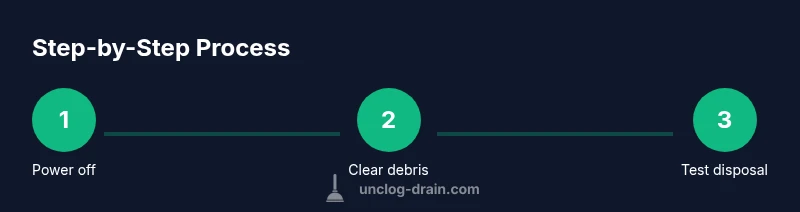
You can unclog a Moen garbage disposal by safely resetting, clearing jams, and removing blocked material using a flashlight, tongs, and an Allen wrench. This guide covers safety checks, tool setup, and a repeatable step-by-step process you can follow. Avoid chemical drain cleaners; use mechanical clearing first. We'll also discuss maintenance to prevent future clogs.
Why Moen Garbage Disposals clog and how they work
Moen garbage disposals operate with an impeller plate that shreds food waste. Over time, bits of fibrous vegetables, starches, or coffee grounds can wrap around the impeller or jam the rotor. When a disposal jams, it may hum but not turn, or it may stop altogether. Understanding the mechanism helps you unclog moen garbage disposal safely and effectively. The most common clog culprits are fibrous materials (celery, corn husks), starches (pasta, rice), and hard shells that reject grinding. Regular use with cold water helps move waste through the system; avoiding pushing non-food items or grease down the drain reduces future clogs. This section explains what typically causes jams and how a properly functioning unit should sound and behave.
Common clog culprits in Moen units
Choking points inside Moen garbage disposals often come from: fibrous waste (celery, corn husks), tough skins (pumpkin, potato skins), starchy foods (rice, pasta), and seed shells that jam the grind chamber. Another frequent culprit is a buildup of fats, oils, and grease that cling to the inner walls and traps. Hair and paper products can also find their way into the disposal via the sink strainer. Understanding these patterns helps you unclog moen garbage disposal more quickly by targeting debris rather than guessing. In many cases, aggressive yet careful clearing and a thorough rinse restore normal operation.
Safety and prep before you begin
Before any intervention, power off the unit at the wall switch or breaker. Never place hands in or near the disposal opening while it could still be energized. Gather your tools and lay a towel over the cabinet to catch any splashes. Confirm there is no power by attempting a gentle manual rotation with a flashlight and a small tool. Use cold water during testing to gauge performance and to prevent fats from liquefying and causing future clogs. If you smell burning or see smoke, stop immediately and call a professional. Safety is the foundation of a successful unclog moen garbage disposal repair.
Maintenance habits to prevent future clogs
Prevention is better than repair. Run the disposal with plenty of cold water after each use, and avoid dropping fibrous or hard shell materials into the unit. Feed foods in small batches and grind only what the unit can handle at once. Periodically clean the chamber by grinding a few ice cubes or citrus peels to scrub the impeller and walls. Check the trap and P-trap beneath the sink for blockages every few weeks if the sink begins to drain slowly. A simple maintenance routine reduces the frequency of clogs and keeps your Moen unit running smoothly.
Signs you should replace vs repair your Moen disposal
If the unit produces persistent grinding noises, overheats, or emits a burning smell, it may indicate internal damage beyond a jam. Constant jams that recur despite thorough clearing suggest the motor or grinding chamber may be worn. In such cases, replacement is often more cost-effective than repeated repairs. Compare a new disposal’s efficiency and energy rating with the cost of constant maintenance. The decision to replace should also factor in the age of the unit; Moen disposals typically offer a decade or more of service with proper care.
Environmental considerations and disposal safety
When unclogging or replacing a Moen garbage disposal, consider the broader plumbing system. Avoid disposing of large quantities of grease down the drain, as it can solidify and cause future blockages. Recycle or properly dispose of food waste that cannot be ground, and use a composting habit for kitchen scraps where feasible. If a jam requires disassembly, ensure you seal the area to prevent drain odors from escaping. Following these environmental practices helps maintain a clean and efficient drain system for your home.
Tools & Materials
- Rubber gloves(Nitrile or latex; avoid vinyl; for grip and protection)
- Flashlight(Bright LED; inspect interior and rotor area)
- Allen wrench (1/4 inch)(For manually rotating the impeller via the bottom hex hole)
- Long-handled tongs(Grip and remove debris safely without touching blades)
- Bucket or tray(Catch water and debris during clearing)
- Dish soap and warm water(Rinse after testing and clearing to prevent stickiness)
Steps
Estimated time: 20-40 minutes
- 1
Power off and secure
Turn off the disposal at the wall switch or circuit breaker. If it is corded, unplug it. Confirm there is no voltage by trying to rotate the impeller with a small tool. This prevents injury while you work.
Tip: Never put hands into a live unit; use a flashlight to inspect the interior motion. - 2
Clear visible debris
Use long-tongued pliers or tongs to remove obvious items blocking the grinding chamber. Do not force objects; work gently to avoid damage to the impeller or seals.
Tip: Keep fingers away from the blades and verify there are no loose objects trapped in the rim. - 3
Rotate the impeller with the hex key
Insert the 1/4 inch hex key into the bottom access hole and gently rotate back and forth to dislodge a jam. Work both directions until the impeller moves freely.
Tip: Small counterclockwise rotations are usually enough; excessive force can damage the motor. - 4
Reset and test
Press the reset button on the bottom of the unit. Reconnect power and run cold water while flipping the switch to test. Listen for a steady spin and absence of grinding.
Tip: If the reset button keeps tripping, stop and inspect for a stubborn jam or call a pro. - 5
Flush and re-evaluate
Run the disposal with plenty of cold water for 30–60 seconds to clear loosened debris. If you still hear grinding or no motion, re-check for hidden jams or consider professional service.
Tip: Always verify the water flow doesn't slow and the disposal remains silent and smooth. - 6
Decide next steps
If jams persist after your attempts, there may be a deeper blockage or motor issue. Do not force additional tools; contact a licensed plumber or Moen support for guidance.
Tip: Document any unusual symptoms (heat, noise, smell) to help the pro diagnose faster.
Common Questions
Can I unclog Moen garbage disposal without removing it?
Yes. Start with power off, remove visible debris with tongs, rotate the impeller with the Allen wrench, reset, and test with cold water. For stubborn jams, you may need to access the bottom hex hole.
You can unclog Moen by removing visible debris, rotating the impeller with a hex key, resetting, and testing with water.
What if the reset button won't stay reset?
A reset that pops back out usually indicates a jam or motor issue. Unplug or switch off power, inspect for obstructions, then try again. If it repeats, professional service may be required.
If the reset won't hold, there may be a jam; check for obstructions and consider a pro if it repeats.
Are chemical drain cleaners safe to use with Moen disposals?
No. Chemical cleaners can corrode metal parts and damage seals inside the disposal. Stick to mechanical clearing methods and cold water rinses.
Chemical cleaners aren’t safe for Moen disposals; they can cause damage. Use mechanical clearing instead.
Why is my disposer humming but not grinding?
Humming usually indicates a jam or a seized impeller. Stop power, clear obstructions, rotate with a hex key, then test again. Persistent humming may require professional inspection.
If it hums but won’t grind, it’s likely jammed; clear obstructions and try rotating.
How can I prevent future clogs in a Moen disposal?
Run disposal with cold water, avoid fibrous waste, grind small amounts at a time, and periodically purge with citrus peels or ice to clean the impeller.
To prevent clogs, use cold water, avoid fibrous or starchy waste, and clean the unit regularly.
Watch Video
Key Points
- Identify common clog causes and address safely
- Prepare mandatory tools before starting
- Follow a repeatable step-by-step process
- Call a pro if jams persist after attempts