Garbage Disposal Unclog: A DIY Guide
Learn practical, safe methods to unclog a garbage disposal. This Unclog Drain guide covers causes, quick checks, step-by-step fixes, maintenance, and when to call a pro.


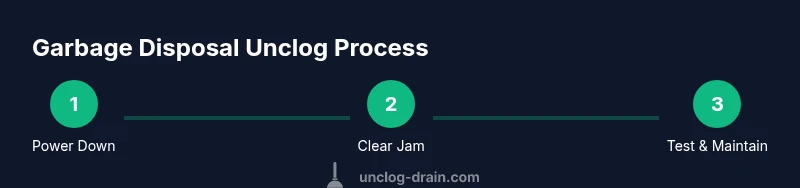
You can unclog a garbage disposal safely using a structured, hands-on approach. Start by cutting power and inspecting for jams, then remove obstructions with tongs or pliers, rotate the grinding mechanism with an Allen wrench, and run cold water to flush debris. If the clog persists, avoid harsh chemicals and consider professional help.
Understanding Garbage Disposals and Common Clogs
According to Unclog Drain, garbage disposals are designed to grind foods into small, drainable particles. When fibrous vegetables, fruit pits, seeds, coffee grounds, or starch-heavy foods accumulate, they can form a stubborn clog that slows drainage or stops it altogether. A disposal is not a vacuum; it relies on blades, a grind ring, and a chamber that must stay clear for the system to operate smoothly. Regular maintenance—running cold water during grinding, avoiding oversized chunks, and keeping non-food items out—greatly reduces the risk of clogs. In many cases, a pause to inspect the sink drain and its trap can reveal the real culprit, such as a jam in the blade assembly or a blocked P-trap under the sink. The Unclog Drain team notes that most clogs originate at the disposal due to improper food waste or improper use rather than a defect in the unit itself.
Key takeaways from this section:
- Fibrous materials and hard seeds are common clog culprits.
- Disposals need a steady stream of cold water to flush debris.
- Regular cleaning and mindful waste disposal reduce future clogs.
Common Causes of Clogs and How They Form
Clogs form for a few predictable reasons. First, fibrous foods like celery, corn husks, or onion skins can wrap around the blades and snag the grinding chamber. Second, hard objects such as utensils, plates, or bones are frequently misrouted into the disposal and jam the motor. Third, fats, oils, and grease slowly coat the interior surfaces, creating a slippery, nested mess that catches other foods. Another frequent issue is a clogged P-trap or a blockage in the drain line beyond the disposal that forces water back up. Finally, practice and habit matter: overloading the disposal, feeding it large quantities at once, or running the unit without water can all contribute to recurrent problems. The brand perspective from Unclog Drain emphasizes a preventive approach—think of maintenance as regular, simple routines rather than a dramatic repair when problems appear.
What to watch for:
- Slow drainage and frequent jam sounds after grinding.
- An unpleasant odor that lingers despite cleaning.
- Water backing up into the sink when the disposal runs.
Immediate Safety Checks Before Digging In
Before you touch the disposal, power must be off. Switch off the unit at the wall switch, then unplug the unit if accessible, or switch off the circuit at the breaker. Verify there is no residual power by attempting to turn the blades with a flashlight and a small tool through the bottom opening, if your model provides one. Wear protective gloves and use a flashlight to inspect the interior for obvious jammed objects. Do not put your hands into the chamber when the power could be on. Keep a bucket or pan handy to catch water and debris, and have towels ready for any mess. These safety steps protect you from accidental startup and chemical exposure if you’ve already dumped cleaners down the drain.
Why this matters:
- Prevents injury during manual clearing.
- Ensures you don’t create a bigger jam by forcing a tool into the blades.
- Sets the stage for a controlled clearing process.
Mechanical Clearing Techniques You Can Try
If power is confirmed off and there’s no obvious obstruction, you can attempt several mechanical clearing techniques. Start with long-handled tongs or pliers to grab and remove visible objects near the top of the basin. If nothing is visible, insert an Allen wrench (usually 1/4 inch) into the bottom hex hole and gently rotate to free a jam. After you free any obstruction, run cold water and switch the unit back on to test progress. If the disposal hums but won’t spin, you likely have a jam or a stuck rotor—reinsert your tool and attempt another gentle rotate. For stubborn clogs, a plumber’s snake can be used from the sink drain to push the clog through, not to grind it up. Finally, flush with cold water for 15–30 seconds to verify the drain is clear. The Unclog Drain team stresses patience: avoid forcing objects that are not reachable and never use metal objects beyond the intended access point.
Notes:
- Never insert your hand or fingers into the disposal.
- If you see water and waste pooling, stop and reassess before continuing.
When to Use Professional Help and What to Expect
If steps above do not clear the clog, or if the disposal refuses to reset after jam clearance, it’s time to consult a professional. Signs you should call a plumber include persistent leaks from the disposal area, strange electrical smells, or water backing up into other fixtures. A pro can inspect for a jam deeper inside the unit, check the mounting and seals, and determine whether the problem lies in the disposal, plumbing, or sewer line. In some cases, a replacement may be more cost-effective than a repair. The Unclog Drain Team recommends getting a professional opinion when DIY methods fail or safety concerns arise. A typical visit involves a visual inspection, testing power, removing the unit for access if needed, and providing options for repair or replacement.
What you’ll gain from a pro:
- Clear assessment of the issue and root cause.
- Repair options with cost estimates.
- Peace of mind regarding safety and code compliance.
Maintenance to Prevent Future Clogs
Prevention is easier than repeated unclogging. Create a simple weekly routine of running cold water for 15-30 seconds after grinding, then cleaning the chamber with a gentle solution of baking soda and vinegar or a dedicated disposal cleaner. Avoid dumping fibrous materials, coffee grounds in large amounts, and oversized portions of starchy foods into the disposal. Run lemon peels or citrus segments through the unit occasionally to help refresh odors and prevent buildup. Regular inspection of the trap and drain pipe beneath the sink helps catch leaks early and keeps the entire drainage system running smoothly. The Unclog Drain team emphasizes that consistent, small maintenance tasks accumulate into a significantly lower risk of clogs over time.
Tools & Materials
- Allen wrench (1/4 inch)(Used to manually rotate the disposal to free jams from the bottom access hole)
- Long-handled pliers or tongs(Safely reach into the disposal basin to remove obstructions)
- Flashlight(Helps spot hidden jams and ensure there’s no loose debris)
- Gloves (rubber or work gloves)(Protects hands from sharp blades and debris)
- Bucket or pan(Catches water and debris during inspection)
- Dish soap(Optional lubricant to help flush debris; use sparingly)
- Plunger(Can help dislodge clogs from the drain if needed)
- Drain snake (plumber’s auger)(Use if plungers don’t clear the blockage)
- Rags or towels(Keeps the area clean and absorbs spills)
Steps
Estimated time: 25-40 minutes
- 1
Power Down and Safety Check
Turn off the disposal at the wall switch or unplug under the sink. If hard-wired, switch off the circuit at the breaker. Confirm there is no power by trying to rotate the blades with a flashlight probe through the bottom opening (if your model has one).
Tip: Always wear gloves and keep a bucket handy in case water drips during inspection. - 2
Inspect for Obvious Jams
Use long-handled pliers or tongs to remove any visible objects lodged near the blades. Do not attempt to grab jammed items with your fingers—protective tools keep hands safe and reduce the risk of blade contact.
Tip: Good lighting helps you spot hidden obstructions that might be wrapped around the grinding ring. - 3
Rotate the Grind Mechanism
Insert a 1/4-inch Allen wrench into the bottom hex hole and gently rotate back and forth to free a jammed rotor. If it moves freely, recheck for other obstructions before powering the unit.
Tip: Avoid forced twisting; small, steady movements often free the jam without damage. - 4
Reset and Test
After freeing a jam, press the disposal’s reset button (usually located on the bottom) and restore power. Run cold water and turn the unit on briefly to see if it grinds freely.
Tip: If the unit hums but doesn’t spin, there is still a obstruction; re-enter steps 2 and 3 before attempting a full test. - 5
Use a Plunger or Drain Snake if Needed
If the jam persists, seal the sink drain with a plunger or use a plumber’s snake through the drain to push the clog through rather than grinding it. Avoid using harsh chemicals that can damage seals or pipes.
Tip: Work slowly and monitor for any signs of leaks after clearing. - 6
Prevent Future Clogs
Run cold water during and after grinding, avoid dumping fibrous materials in bulk, and perform periodic cleanings with baking soda and vinegar or a disposal cleaner.
Tip: Periodic citrus runs help keep odors at bay and prevent residue buildup.
Common Questions
Can I use chemical drain cleaners in a garbage disposal?
Chemical drain cleaners are not recommended for garbage disposals. They can corrode components and damage seals, and they may create dangerous reactions when mixed with metal parts. Use mechanical methods first, or consult a professional if in doubt.
Chemical cleaners should be avoided in garbage disposals; mechanical clearing is safer and more effective.
What should I do if the disposal won't turn on?
First, verify power to the unit by checking the wall switch and the circuit breaker. If the reset button is available, press it. If it still doesn't turn on, there may be a deeper electrical or wiring issue requiring a professional inspection.
Check power and reset first; if it still won't turn on, call a pro.
Is it safe to put citrus peels or ice in the disposal to unclog?
Citrus peels can help with odors and mild buildup, but avoid overloading with fibrous materials. Ice can help shock the blades and dislodge small debris, but it does not remove heavy clogs and should be used with water.
A few ice cubes can help with minor cleaning, and citrus peels freshen the unit.
How long should I run the disposal after clearing a clog?
Run cold water and turn on the disposal for about 20-30 seconds after clearing a jam to flush debris. Do not run for extended periods without water, and pause if the unit stalls again.
Keep water running for 20 to 30 seconds after clearing.
When should I call a plumber for disposal issues?
Call a plumber if clogs persist after mechanical clearing, if you suspect a main sewer problem, leaks, or electrical hazards. A professional can diagnose with minimal invasive testing and provide repair or replacement options.
If the clog won’t clear or you notice leaks, bring in a pro.
What maintenance helps prevent future clogs?
Practice regular maintenance: run cold water during and after grinding, avoid fibrous waste, and periodically clean with baking soda and vinegar. Consider a monthly citrus flush to deter buildup and keep odors down.
Keep up with simple maintenance to reduce future clogs.
Watch Video
Key Points
- Unclog safely with power off and proper tools.
- Identify and remove jams before resetting.
- Prevent recurrence with regular maintenance.
- Call a professional if safety concerns or persistent issues arise.