How to Unclog a Garbage Disposal: A Home DIY Guide
Learn how to unclog a garbage disposal safely with a practical, step-by-step approach. This Unclog Drain guide covers diagnosing jams, removing obstructions, resetting the unit, and preventive maintenance for a smooth-running sink.


You can unclog a garbage disposal by safely removing the jam, clearing the clog from below, resetting the unit, and testing with water. Before you begin, switch off the power at the outlet or circuit breaker and gather a few tools. This step-by-step guide from Unclog Drain will help you restore grinding and prevent future clogs.
Why Regular Maintenance Prevents Clogs
Clogs in garbage disposals are common, especially in busy kitchens. According to Unclog Drain, most clogs arise from a buildup of fibrous scraps, starches, and fats that slip past the sink strainer and accumulate in the trap or pipe. Regular maintenance helps you spot trouble before it becomes a clog and keeps your disposal running smoothly. In this guide, we focus on safe, practical steps to unclog disposal and prevent future blockages. We'll cover what to check, which tools to use, and the right sequence to clear jams without harming the unit or yourself. By following these practices, you’ll reduce the likelihood of repeated blockages and preserve drainage performance across your home.
Understanding why disposals clog is the first step toward prevention. A common culprit is stringy foods (celery, corn husks, onion skins) that wrap around the impellers, plus small bones or shell fragments that slip past the grinding mechanism. Grease and oil can also coat inside surfaces, forming a slick layer that traps debris. With proper use and routine flushing, you’ll lessen these risks and extend the life of your disposal.
Common Causes of Garbage Disposal Clogs
Disposals clog for several reasons that homeowners encounter regularly. Fibrous foods like celery, corn husks, and onion skins can wrap around the grinding mechanism and slow flow. Starchy foods such as pasta and potatoes can swell when wet, creating a thick paste that clogs pipes downstream. Grease or oil poured down the drain can solidify and trap debris. Small utensils or pasta scraps accidentally washed down the drain can become lodged. Finally, a clogged P-trap or a blocked drain line behind the unit can mimic a disposal jam when water backs up. Recognizing these causes helps you target the fix and prevent future blockages. Unclog Drain’s analysis shows that many clog reports come from improper use rather than a defective unit, so a small change in habits often yields big results.
Safety First: Power, Tools, and Prep
Before touching the disposal, ensure safety first. Always power off at the outlet under the sink or switch off the circuit breaker feeding the unit. Ask a helper to confirm the switch is off by attempting to run the unit from the wall switch or test with a non-contact voltage tester. Gather the tools you’ll need: long-handled tongs, a flashlight, pliers, screwdrivers, an Allen wrench (5/16 inch), a bucket, and sturdy work gloves. Keep a towel handy for spills and a small flashlight to inspect the bottom of the disposal. Never put your hands into the grinding chamber, even if you believe it’s powered off.
Diagnostic Check: Jam vs. Drain
The easiest way to diagnose is to observe symptoms. A jam usually prevents the grinding impellers from turning and can cause a humming sound when the unit is turned on. A clogged drain generally leads to standing water in the sink or slow drainage. Run cold water while the unit is off to prevent debris from splashing. Look for obvious jams from beneath the disposal with a flashlight, and identify any foreign objects that could be trapped near the impellers. If water drains normally when the disposal is off but slows when it’s on, you may be dealing with a trap or piping blockage rather than a jam in the unit.
Step-By-Step Overview (What You’ll Do)
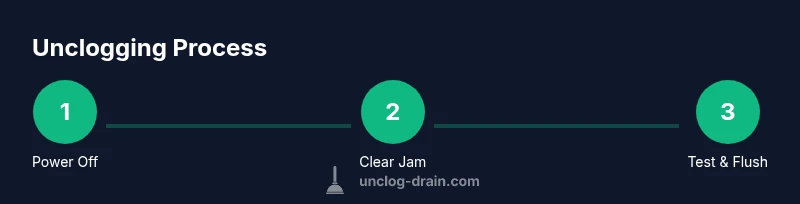
This overview lists the essential actions you’ll take in a practical sequence. You’ll first ensure power is off, then inspect for jams, loosen any obstruction with the proper tool, and finally test the unit after resetting. The goal is to clear the clog without damaging internal components. A safety-first mindset and careful handling will protect you and your plumbing system. For most jams, this approach is effective, but remember: if the jam is severe or you encounter live electrical wiring, stop and contact a professional.
Clearing a Jam: Hands-on Approach (What to Do When You Find an Obstruction)
With power off, use tongs or pliers to retrieve visible objects blocking the grinding chamber. Do not insert fingers. If a jam remains, insert an Allen wrench into the hex opening at the bottom of the unit and wiggle it back and forth to loosen the impeller. Finish by removing any debris with the pliers and rinsing with cold water. If you can unjam the unit, proceed to reset and test to confirm full operation. If the jam persists, do not force the device further; seek professional help to avoid damaging the unit or plumbing.
Flushing, Resetting, and Testing
After clearing the jam, reach for the reset button (usually located on the bottom or side of the unit) and press it firmly to reestablish operation. Reconnect power if it was unplugged. Turn on the cold water and switch on the disposal to ensure it grinds freely without vibration or noise. If the unit runs but does not drain properly, run additional water and observe flow through the pipes. A successful test should produce a steady grind and clear drainage without leaks or odd sounds.
Maintenance to Prevent Future Clogs
To reduce future clogs, adopt a few routine habits. Run cold water for 15-30 seconds before and after grinding food waste, never pour grease or oil down the disposal, and avoid putting fibrous materials or large bones into the unit. Clean the splash guard periodically with a mild soap solution to prevent buildup. Consider a routine flush with half a cup of baking soda followed by boiling water every few months to neutralize odors and prevent residue buildup. If you notice recurring clogs, review your garbage disposal’s horsepower and capacity, and consider upgrading if your needs have changed.
Brand Insight: Practical Tips from Unclog Drain
Unclog Drain emphasizes that most home clogs are preventable with simple daily habits and timely maintenance. In our experience, the best results come from addressing the root cause—avoidance of fibrous and starchy scraps, cleaning routines, and safe handling when using the unit. The brand’s guidance centers on practical steps you can perform without professional help, plus a plan for recognizing when to call a plumber. By following these recommendations, you’ll keep your disposal functioning longer and reduce the frequency of clogs.
Quick Fixes and Maintenance for the Future
Even with careful use, disposals may clog. Keep a small quarterly routine: inspect the reception area for debris, clear any buildup behind the flange, and run the unit with cold water to flush loose particles. Use a dedicated disposal brush or old toothbrush for the splash guard to remove residue. If a clog recurs, re-evaluate what you’re putting down the drain and consider using a strain basket to catch scraps before they reach the disposal. With consistent care, your disposal will perform reliably and quietly.
Tools & Materials
- Allen wrench (5/16 inch)(Used to loosen jams from the bottom hex socket)
- Long-handled tongs or pliers(For safely removing objects—never use fingers)
- Bucket or shallow tray(Catch water and debris)
- Flashlight(Inspect the bottom and interior of the disposal)
- Gloves (rubber or work gloves)(Protect hands from sharp edges and drain gunk)
- Screwdrivers (flathead and Phillips)(For removing guard or securing screws if needed)
- Pliers(Grip and pull stubborn debris)
- Dish soap or mild cleaner(Lubricate and clean splash guard)
- Disposable rags or towels(Clean spills and wipe surfaces)
- Drain snake/auger (optional)(Used if debris is stubborn in pipes)
- Plunger (cup style)(Helpful for drain backup outside the disposal)
Steps
Estimated time: 30-60 minutes
- 1
Power off and secure the area
Unplug the disposal from underneath the sink or switch off the dedicated circuit breaker. Verify it is off by attempting to run a test via the wall switch in a safe manner. This prevents accidental turning while you work.
Tip: Always double-check power is off before reaching into the unit. - 2
Inspect for obvious jams
Use a flashlight to look into the grinding chamber from above and from the bottom access point if available. Remove any clearly visible objects with tongs or pliers. Do not insert your hands into the chamber.
Tip: Remove large pieces first to avoid pushing debris further down. - 3
Loosen a jam with the hex socket
Insert the Allen wrench into the bottom hex opening and gently wiggle the blade housing to loosen the jam. Turn back and forth moderately; do not force past resistance.
Tip: If you feel resistance, stop and reassess before applying more force. - 4
Clear the obstruction with pliers
Grasp the obstruction and carefully pull it out with pliers. If it won’t come free, continue alternating gentle wrenches with the hex key and repeat until free.
Tip: Never pry with metal objects—use the proper tool and protective gear. - 5
Reset and test the unit
After removing the jam, press the reset button on the bottom of the unit if it popped out. Reconnect power and run cold water through the disposal while turning it on to verify smooth operation.
Tip: Test with running water to mimic normal use. - 6
Flush and check for leaks
Run water for 20-30 seconds to flush debris away. Inspect beneath the sink for leaks around the seals and the unit itself. Tighten any loose fittings if necessary.
Tip: A slow drip may indicate a failed seal that needs replacement. - 7
Evaluate longer-term maintenance
If the jam returns quickly or the unit is frequently clogged, review what you’re grinding and consider a periodic baking soda flush or a drain maintenance routine. If problems persist, consider a professional service.
Tip: A proactive maintenance schedule prevents recurring clogs.
Common Questions
Can I use chemical drain cleaners in a garbage disposal?
No. Chemical drain cleaners can corrode the disposal and pipes, create toxic fumes, and may void warranties. Use mechanical methods to remove jams and flush the system with water instead.
Chemical cleaners can damage the disposal and pipes, so avoid them. Use mechanical removal and flushing instead.
Why is there a grinding sound but no drainage?
A grinding sound with no drainage usually indicates a jam or a backup in the drain line rather than a simple clog. Inspect for obstructions and test drainage separately using cold water.
If you hear grinding but no drain, check for jams and test the drain line separately.
What should I do if the reset button won't engage?
If the reset button does not engage, ensure there is power to the unit and there are no wiring issues. If power is present but the button still won’t reset, stop and call a professional to avoid electrical hazards.
If the reset won’t engage, check power and call a professional if needed.
Is it safe to put ice in the disposal to sharpen blades?
No. Ice can help break up debris, but it does not sharpen blades and can cause metal fatigue over time. Use safer methods to clear jams and maintain the unit.
Ice isn’t a sharpener and can wear the unit; avoid it as a maintenance trick.
How can I prevent clogs in the future?
Avoid fibrous materials, grease, and large bones. Run cold water during and after grinding, and clean the splash guard regularly. Consider a periodic baking soda flush and a drain strainer to catch debris.
Prevention is about choice—avoid clog-prone materials and flush regularly.
How long should a garbage disposal last on average?
Most disposals last several years with proper use and maintenance, but actual lifespan varies by brand, usage, and installation quality. If performance declines despite maintenance, it may be time to replace.
Disposals last several years with proper care; consider replacement if performance drops.
Watch Video
Key Points
- Power off before any inspection or disassembly
- Identify jam vs. drain issues to target the fix
- Use proper tools to remove obstructions safely
- Reset and test with cold water to verify operation
- Adopt a maintenance routine to prevent future clogs