How to Unclog a Sewer Line: A Practical DIY Guide
Learn practical, safe ways to unclog a sewer line at home. This step-by-step guide covers tools, methods, safety, and prevention tips from Unclog Drain.


This guide shows you how to unclog a sewer line safely and effectively, covering common causes, sign detection, and step-by-step methods from mechanical snake to hydro jet. You’ll learn when to DIY and when to call a pro, plus how to prevent future backups. Examples include clogs in main lines, backups at multiple fixtures, and foul odors indicating sewer pressure.
Signs and risks of a sewer line clog
According to Unclog Drain, recognizing sewer line problems early can prevent messy backups and costly repairs. Common indicators include slow-draining fixtures in multiple rooms, toilets gurgling after flushing, sewage odors near drains, and water backing up in sinks or tubs during rainstorms. A single slow drain may be a localized issue, but a pattern across several fixtures often points to a main sewer line clog. If you notice water bubbling in the shower, or sewage backing up into the lowest fixture when you run water elsewhere, treat this as an urgent warning. Blockages in the main line disrupt wastewater flow and increase pressure through your home's pipes, which can lead to cracked fittings, leaks, or sewer gas entering living spaces. In addition to backups, watch for raised mop water or soggy patches outside your home near the sewer access point; this can indicate a leak in the sewer line or a breached cleanout. Keep in mind older homes with clay or cast-iron pipes are more prone to root intrusion, which worsens over time. Staying proactive helps you catch issues before they escalate and reduces exposure to contaminated wastewater.
Common causes and how they form
Most sewer clogs form from a combination of tree roots penetrating pipe joints, grease and fat buildup from kitchen waste, feminine hygiene products and wipes flushed down the toilet, and mineral or debris accumulation over time. In homes with older pipes, tree roots are the leading cause of mainline blockages; roots find small cracks and expand, reducing flow. Kitchen grease can solidify as it cools, trapping hair and solids; then the sewer line narrows until a full blockage. Paper towels, wipes, diapers, and dental floss may seem flushable but often accumulate, clogging traps and elbows. In some cases, misconnected vent pipes or damaged sewer lines from shifting soil can create abnormal pressure and cause backup. Sewer lines in urban areas with clay or cast-iron pipes are more susceptible to corrosion and root intrusion. Understanding these causes helps you tailor mitigation strategies, from mechanical snaking to professional camera inspection.
DIY options: safe methods and limits
DIY options include using a plunger to create pressure, a toilet auger for toilets, or a manually fed drain snake for main lines accessible through a cleanout. Enzyme-based cleaners can help with organic buildup but are slower and less effective for hard blockages. Chemical drain cleaners are discouraged for sewer line issues due to potential pipe damage, septic system interference, and toxic fumes in enclosed spaces. Always ventilate the area and wear protective gear. For minor, localized clogs near a fixture, a plunger or auger may suffice; for a mainline backup, you risk limited access and limited effect; attempting aggressive attempts without professional guidance can cause pipe cracking or joint damage. If you attempt DIY, work slowly, avoid forcing tools with excessive pressure, and stop if you encounter stubborn resistance. Document the blockage with a camera or flashlight to assess severity later.
When to avoid DIY and call a pro
Severe backups, sewage smells, repeated clogs, or backups affecting the main line require professional service. Attempting hydro jetting or camera inspection on your own can be dangerous if you lack proper PPE and ventilation or if you encounter gas pockets. A licensed plumber will perform a sewer camera inspection to locate the exact blockage and determine whether tree roots, collapsed pipe, or severe buildup is present. They may use specialized equipment such as a mechanical auger, hydro-jetting, or pipe replacement. The cost varies by region and complexity but can be a worthwhile investment given the potential health risks and property damage from sewage exposure. Always request a written estimate and check credentials. If you’re on a septic system, improper chemical cleaners can damage the septic tank; a pro can advise on safe maintenance.
Preparation before you start
Before you begin, shut off water to prevent overflow, place towels and a bucket to catch spills, and wear gloves, eye protection, and a mask. Clear the area around the cleanout and set up proper lighting; mark a plan for where you’ll access the mainline. If you do not have a cleanout, you may need to access the mainline through the lowest fixture or the exterior cleanout. Inspect the exterior area for signs of leakage or soggy soil that indicates a breach. Gather the tools you’ll need and decide on a course of action; if you’re uncertain, call a professional to avoid safety hazards.
Safety, sanitation, and environmental considerations
Always ventilate the work area to avoid accumulating sewer gases. Wear gloves, eye protection, and a mask; never mix cleaners with other chemicals. Keep children and pets away from the work zone and dispose of waste in a sealed bag. After the job, wash hands thoroughly and sanitize any touched surfaces. If you suspect a leak or structural damage, stop and call a licensed plumber. Unclog Drain emphasizes that health and safety come first when dealing with sewer lines.
Maintenance to prevent future clogs
To minimize future problems, schedule periodic camera inspections to catch root intrusion early. Practice mindful flushing: avoid pouring grease or oils down sinks, use strainers in drains, and flush only toilet paper. Consider enzyme-based cleaners as a preventive measure, run hot water through drains regularly, and prune nearby trees if roots threaten underground pipes. A proactive maintenance plan reduces the likelihood of major blockages and extends the life of your sewer system.
Tools & Materials
- Gloves(Heavy-duty work gloves to protect hands from wastes and sharp edges)
- Safety goggles(Eye protection to guard against splashes)
- Mask or respirator(Protects from sewer gas and fumes)
- Flashlight(Bright light for inspection of dark pipes)
- Bucket(Catch water and debris; als oused to catch spills)
- Plunger (cup plunger)(Best for creating pressure in drains)
- Closet auger (toilet auger)(Useful for toilets and tight bends)
- Drain snake / hand auger(Manual snake to break up blockages in main lines accessible via cleanout)
- Camera inspection tool (optional)(Helps locate root intrusion or pipe damage)
- Enzyme-based drain cleaner (optional)(Good for maintenance; not effective for solid blockages)
- Pipe wrench (optional)(Used to loosen fittings if needed)
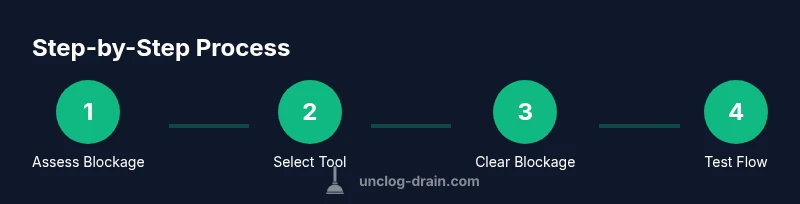
Steps
Estimated time: 1-2 hours
- 1
Turn off water and locate cleanout
Begin by turning off the main water supply to prevent overflow. Locate the exterior or interior cleanout access; this is where you’ll insert the auger or snake. Identify the likely direction of the blockage and plan a safe approach before proceeding.
Tip: Label valves and cleanouts for future reference to avoid accidental reactivation. - 2
Put on safety gear and inspect area
Put on gloves, goggles, and a mask. Use a flashlight to inspect for any visible leaks, cracks, or obvious signs of the blockage as a starting point. Assess whether the area around the access point is dry and stable before you begin.
Tip: If you see sewage pooling, stop and call a professional immediately. - 3
Test by flushing one fixture at a time
Run a sink or tub to gauge how much backup exists. If water backs up beyond one fixture, the blockage is likely in the main line. This helps decide whether DIY is appropriate or if you should call a pro.
Tip: Document the pattern (which fixtures back up) to share with a plumber if needed. - 4
Use a plunger for localized clogs
Place the plunger over the drain and create a firm seal. Use quick, forceful pushes to create pressure that can dislodge the clog. If the water does not rise to a bubble, you may be dealing with a more stubborn blockage.
Tip: Keep a bucket nearby to catch dirty water. - 5
Work a closet auger into the toilet drain
Insert the auger into the toilet drain and gently push while rotating to break up the blockage. Retract and advance the snake gradually to avoid damaging the porcelain or pipes. Pause if you meet strong resistance.
Tip: Do not force the auger; progressive, gentle advancement reduces risk of damage. - 6
Feed a mainline drain snake through the cleanout
If you have access to the main cleanout, feed the snake into the pipe and rotate to grip the blockage. Continue until you feel a breakthrough or the snake exits with less resistance. Retrieve slowly and clean debris from the head.
Tip: Take breaks if you feel fatigue; a fresh approach can help overcome stubborn clogs. - 7
Flush and test the system
After mechanical clearing, slowly run water through fixtures to flush debris. Listen for reduced gurgling and observe whether water drains evenly. Repeat the process if necessary until flow normalizes.
Tip: Use hot water in small quantities to help dissolve minor grease buildup, if safe for your pipes. - 8
Consider enzyme cleaners for maintenance
If the blockage was organic, a time-release enzyme cleaner can help prevent future buildup by breaking down fats and hair. Do not rely on enzymes for solid, heavy blockages.
Tip: Follow label directions and avoid mixing cleaners with other chemicals. - 9
Capture evidence and assess condition
Take photos or video of the blockage area and any damaged pipes. Note the extent of the blockage and the effort required to clear it for future reference. This will help a plumber if needed.
Tip: Maintain a simple record of dates and services performed for your home maintenance log. - 10
Plan for prevention
Create a maintenance plan that includes periodic inspections, root barrier considerations, and a flush routine. Regular upkeep reduces the frequency and severity of clogs.
Tip: Set a reminder to perform maintenance every 6-12 months.
Common Questions
What is the first sign of a sewer line clog?
Backed-up fixtures, slow drains, and gurgling sounds are common early indicators. Smell of sewage near drains is a serious sign.
Look for backups and slow drains across multiple fixtures, plus any gurgling or sewage smells near the drains.
Can I unclog a sewer line myself safely?
Yes for mild blockages near individual fixtures using basic tools. For mainline backups, seek professional help to avoid damage and health risks.
You can try basic methods for small clogs, but call a pro for mainline backups or persistent problems.
Should I use chemical drain cleaners for a sewer line?
Chemical cleaners are generally discouraged for sewer lines due to pipe damage risk and septic system interference.
Chemical cleaners can harm pipes and septic systems; use mechanical methods or enzymes instead.
How long does it take to unclog a sewer line?
DIY attempts can take 30-90 minutes for mild clogs; professional service may take 1-3 hours depending on blockage.
Time varies; minor clogs are quicker, but mainline issues can take several hours with a pro.
When should I call a plumber?
If backups persist after attempts, the smell is strong, or the problem involves the main sewer line, call a licensed plumber.
Call a plumber if the problem continues after DIY efforts or involves the main sewer line.
What maintenance helps prevent future clogs?
Regular inspections, enzyme cleaners for maintenance, avoid flushing non-dish items, and protect against root intrusion.
Regular inspections and mindful flushing go a long way in preventing clogs.
Watch Video
Key Points
- Identify the blockage pattern to guide your method.
- Choose the right tool for the location of the clog.
- Avoid harsh chemicals that can damage pipes.
- Test fixtures after clearing to confirm proper flow.
- Prevent clogs with routine maintenance and inspections.