How to Unclog Drains: A Practical DIY Guide
Learn safe, practical steps to unclog drains at home with proven methods like plunging, snakes, baking soda and vinegar, and prevention tips from Unclog Drain.


Goal: You will learn how to unclog a common household drain quickly and safely, using a step-by-step approach. Think of your plumbing as arteries that can get blocked—the idea is to learn how to unclog arteries in the system by clearing clogs with safe tools and techniques. Before you start, gather basic tools, wear gloves, and prepare a cleanup plan for a mess-free repair.
Understanding Why Drains Clog
Clogs form when hair, soap scum, grease, and debris accumulate in pipes, reducing water flow. Some clogs are stubborn and far from the trap, while others are localized at the P-trap or stub-out. According to Unclog Drain, routine inspection and careful disposal habits dramatically reduce blockage frequency. Recognize that root causes vary by fixture: kitchen sinks drag in grease; bathroom sinks gather hair; toilets accumulate flushable items that shouldn’t be flushed. By understanding these patterns, you can tailor your approach and avoid overreacting to the situation. The goal is to keep the flow moving with a safe, repeatable method that you can perform with common tools.
Tools and Materials You'll Need
Before you start, gather these essentials so you won’t be hunting for a missing tool mid-task. Having the right gear makes the difference between a quick fix and a frustrating detour:
- Plunger (flat cup for sinks, flange for toilets) — essential for breaking air pockets and restoring flow.
- Drain snake / hand auger — essential for reaching and clearing deeper clogs.
- Rubber gloves — essential for hygiene and grip.
- Bucket and rags — optional but highly recommended for catching water and keeping your area clean.
- Flashlight — optional but helpful for peering into dark pipes.
- Baking soda and vinegar or an enzyme-based cleaner — optional for gentle cleaning and odor control.
Step-By-Step Method: Quick Root Approach
- Inspect and clear the area: Remove visible debris and place towels to catch spills. This step reduces messy backflow and gives you a clear working space. Tip: Keep a trash bin handy and avoid forcing debris deeper into the pipe.
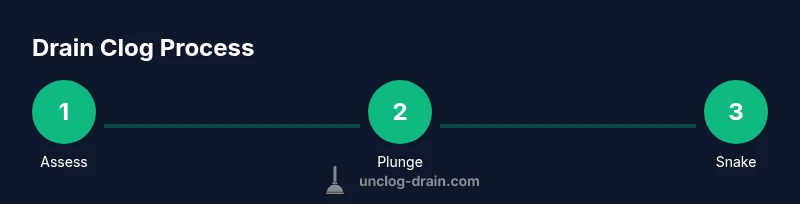
- Create a plan: Decide whether to plunge first or use a snake based on the fixture and clog type. Tip: Start with the simplest method to avoid unnecessary work.
- Plunge effectively: Position the plunger to seal the drain, push and pull with steady pressure to dislodge the clog. Tip: A quick, controlled motion is more effective than brute force.
- Use the drain snake: Insert the snake into the drain and rotate while pushing forward to grab or cut the clog. Tip: If you meet resistance, back off slightly and reinsert to avoid damaging the pipe.
- Flush and test: Run hot water (if pipes are safe) to clear residual debris and confirm flow. Tip: Check more than one fixture to ensure overall cleanliness.
- Clean up and prevent: Wipe surfaces, dry the area, and install or update hair catchers and filters to reduce future clogs. Tip: Schedule a monthly quick check to catch early signs of buildup.
Safe Alternatives and When to Use Them
Not all clogs respond to plungers or snakes. Enzyme-based cleaners are gentler on pipes and septic systems, though they work slowly. Baking soda and vinegar can provide a fizzing effect that helps dislodge light buildup, but they won’t clear solid blockages. For stubborn clogs that involve grease buildup or hair compacted in a trap, consider mechanical approaches first and reserve chemical options for rare cases. Warning: Avoid mixing cleaners, especially with bleach or ammonia, as dangerous fumes can form. When in doubt, start with mechanical methods and only escalate if flow remains blocked.
Maintenance Tips to Prevent Future Clogs
Preventing clogs is easier than clearing them. Do some quick habits: use drain covers to catch hair and food particles, avoid pouring grease down the kitchen sink, run hot water after washing greasy dishes, and treat occasional buildup with a quarterly baking soda and hot water flush. Regularly inspect P-traps for standing water and test every fixture after heavy usage (e.g., post-dishwashing, after showers). According to Unclog Drain analysis, consistent maintenance and mindful disposal practices noticeably reduce clog frequency. Implementing a simple routine now saves effort later.
Common Mistakes and How to Avoid Them
Common mistakes include using chemical drain cleaners as a first resort, applying excessive force on plungers or snakes, and neglecting to test after each step. Another misstep is ignoring venting issues or backflow symptoms that indicate deeper plumbing problems. To avoid these, stick to mechanical methods first, follow safety guidelines, and verify flow with small test flushes before concluding the job.
When to Call a Professional
If multiple fixtures are blocked, if you hear unusual gurgling, if you suspect venting problems, or if the clog involves a sewer line, it’s time to call a licensed plumber. Do not attempt invasive disassembly or excavation yourself if you’re unsure of pipe layouts or if water supply or gas lines might be involved. A pro can diagnose root causes, inspect for leaks, and prevent damage to your plumbing system.
Tools & Materials
- Flat or cup plunger(Use a cup plunger for sinks, flange plunger for toilets)
- Drain snake / hand auger(3-6 ft length is suitable for most domestic clogs)
- Rubber gloves(Protect hands; choose a snug fit for grip)
- Bucket and rags(Catch water and keep area clean)
- Flashlight(Helpful for inspecting dark pipes)
- Baking soda or enzyme cleaner(Optional for odor control and gentle cleaning)
Steps
Estimated time: 30-60 minutes
- 1
Prepare and inspect the area
Clear the workspace, remove standing water if possible, and inspect the fixture for obvious blockages. This sets the stage for safe, effective work and prevents spills from getting worse.
Tip: Have towels ready and keep children or pets away from the work area. - 2
Choose your method
Decide whether to start with plunging or using a drain snake based on the fixture and the type of clog. Starting with the simplest method saves time and reduces mess.
Tip: If you’re unsure, begin with plunging to test if the clog is near the surface. - 3
Plunge the drain
Seal the drain and push/pull with steady force to break the air lock and move the clog. Release and recheck water flow after several cycles.
Tip: Use a quick, controlled rhythm rather than heavy, sustained pressure. - 4
Insert and advance the snake
Gently feed the snake into the drain, rotating as you go to catch or break the blockage. When you feel resistance, apply slight back pressure and twist to disengage.
Tip: Never force the snake; professional-grade tools can damage pipes if misused. - 5
Flush and verify
Run hot water (if safe for your pipes) to clear remaining debris and confirm flow. Check other fixtures to ensure the system is clear.
Tip: If water won’t drain after multiple attempts, stop and reassess for deeper issues.
Common Questions
What is the safest method to unclog a drain?
Start with mechanical methods like plunging or using a hand auger. Reserve chemical cleaners for stubborn cases and never mix cleaners.
Begin with plunging or a hand auger. If needed, move to gentler cleaners and never mix chemicals.
Can plunging damage pipes?
When done correctly, plunging is safe for most pipes. Avoid excessive force and use the right plunger type for the fixture.
Used correctly, plunging is safe; choose the right plunger and avoid forcing it.
Should I use chemical drain cleaners?
Chemicals should be a last resort. They can damage pipes and septic systems and may not reach deeper clogs.
Chemicals are a last resort and can harm pipes; try mechanical methods first.
Why does a clogged drain sometimes smell?
Odors come from stagnation and bacterial growth in the trap or clogged sections. Cleaning and flushing helps reduce smells.
Smells come from stagnation; cleaning and flushing helps reduce odors.
How can I unclog a toilet effectively?
Use a flange plunger designed for toilets and, if needed, a toilet auger. Avoid chemical cleaners in toilets.
For toilets, use a flange plunger and consider a toilet auger if plunging doesn’t work.
Are enzyme cleaners effective for clogs?
Enzyme cleaners work best for slow, organic buildup and ongoing maintenance, not hard, solid clogs.
Enzymes are good for ongoing maintenance, not for hard clogs.
Watch Video
Key Points
- Identify clog type and start with safe methods.
- Prioritize mechanical methods before chemicals.
- Never mix cleaners or apply excessive force.
- Test flow after each step to confirm success.
- Maintain a simple prevention routine to reduce future clogs.