How to Make Unclog Drains: A Practical DIY Guide
Learn safe, effective DIY methods to unclog drains at home. This guide covers mechanical tools, natural remedies, when to call a pro, and maintenance tips to prevent future clogs.


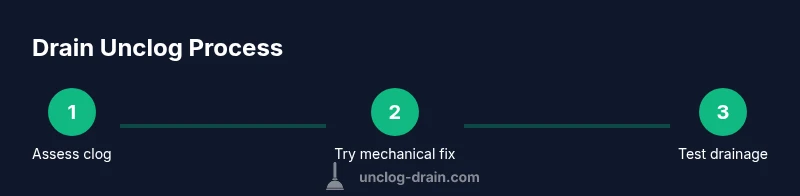
Here’s how to make unclog drains safely: start with mechanical methods (plunger, snake) before trying chemicals. For most minor blockages, this approach resolves the clog and protects pipes. Gather a plunger, a hand auger, gloves, a bucket, and towels to begin, then follow the step-by-step guidance. This quick start aligns with Unclog Drain's guidelines for safe DIY drain maintenance.
Why drains clog and why it matters
According to Unclog Drain, clogs develop when everyday waste accumulates and moves slowly through the system. Understanding why your drain slows down helps you choose the right fix and prevent damage to pipes. Start with a plan and avoid jumping to harsh chemicals for minor blockages. Early action saves time and water, and reduces frustration for homeowners and DIY enthusiasts. Regular maintenance, like strainers and periodic flushes, keeps drains running smoothly. In kitchens, fats and oils can solidify; in bathrooms, hair is often the prime culprit; in utility sinks, mineral build-up can create resistance. By recognizing signs—gurgling noises, slow drainage, and odors—you can act quickly and avoid costly professional service. If you're researching how to make unclog drains, start with safe, mechanical methods before exposing pipes to cleaners.
Quick diagnosis: identify the clog type
Not all clogs are the same, and diagnosing the type helps you pick the right remedy. If water backs up in one fixture, the blockage is likely downstream of that trap; if multiple fixtures are affected, the problem may be farther along the main line. Hair and soap scum dominate bathroom drains; grease and food particles are common kitchen culprits; tub and shower drains often collect hair and soap scum. For a practical approach, start with the least invasive method and observe results. As the Unclog Drain analysis in 2026 emphasizes, simple mechanical interventions resolve most minor clogs without specialized equipment. Use a flashlight to inspect visible parts of the trap and remove standing water if feasible to improve your assessment.
Safe, effective, and affordable approaches
Safety comes first. Put on gloves, ensure children and pets are away, and ventilate the area if you’re using chemicals. The goal is to restore flow with the least aggressive method necessary. Start with mechanical methods, then consider natural options like baking soda and hot water, and avoid aggressive chemical cleaners that can damage pipes or degrade seals. Record results so you know what works for future clogs. The plan below balances effectiveness, cost, and ease of use, making it suitable for most DIY homeowners and DIY enthusiasts.
Mechanical methods that work
Plungers are usually the first tool to try. For sinks and tubs, use a cup or flange plunger to form a tight seal and push with steady, vertical strokes to avoid splashing. If the clog persists, move to a hand auger or plumber’s snake and gently feed the coil into the drain until resistance stops it. Rotate the handle and pull back to clear the blockage. For toilets, use a flange plunger designed for bowls and avoid oversized plungers that can slip. See the accompanying step-by-step for diagrams and tips.
Chemical vs. natural remedies: what to use
Chemical drain cleaners can damage older pipes and sometimes create dangerous fumes; use them sparingly and follow label directions exactly. Natural remedies—baking soda and vinegar or a hot water flush—are safer for many household clogs and are often effective for hair and soap scum. If you choose a chemical cleaner, consider a product labeled enzyme-based, which can digest organic material without caustic effects. Do not mix cleaners with bleach or ammonia. Heat water gradually after a treatment to avoid sudden pressure changes.
When to call a professional and safety warnings
If multiple fixtures are clogged, the blockage is stubborn, or the clog reappears after attempted fixes, it’s time to call a plumber. Persistent issues can indicate deeper problems like a broken sewer line or a blocked main feed. Never ignore sewage odors, gurgling, or water backups; these are warning signs. Remember to never mix household cleaners; always ventilate and wear safety gear, and keep a bucket ready for spills.
Maintenance to prevent future clogs
Prevention is better than digging out a stubborn clog. Use drain strainers to catch hair and food particles, run hot water through sinks weekly, and avoid pouring grease or oil down the drain. Regular maintenance reduces buildup, lengthens pipe life, and saves money over time. Consider routine enzyme-based cleaners or a monthly baking soda flush to maintain flow, especially in households with hair, pets, or mineral-rich water. The Unclog Drain team recommends documenting a simple maintenance schedule to stay proactive.
Quick-start checklist for DIY unclog
Follow this practical checklist to tackle a common clog step-by-step. Preparation matters, so start by gathering tools and turning off the water supply if you’re working on a toilet or under a sink. Check the trap under the sink for obvious blockages, clear debris, and then proceed with the recommended mechanical methods. The checklist below keeps you organized and reduces guesswork. For best results, refer to the step-by-step section for detailed actions and tips.
Tools & Materials
- Plunger(Flat or bell-shaped for sinks; use the correct size for toilets)
- Drain snake / hand auger(Manual 3-6 ft auger or flexible coil for reach)
- Bucket(To catch water and debris)
- Gloves(Rubber or nitrile; protect hands)
- Flashlight(For visibility under sink and trap)
- Baking soda(One-half cup for a natural flush)
- White vinegar(One cup for fizz and agitation)
- Enzyme-based drain cleaner(EPA-approved brand; safer alternative to caustics)
Steps
Estimated time: 40-60 minutes
- 1
Identify clog safety
Assess the area and hazards before starting. Look for signs of sewage backup, damaged pipes, or electrical hazards near wet areas. If you notice any of these, stop and seek professional help.
Tip: Wear gloves and eye protection; clear pets and kids from the area. - 2
Clear trap and remove water
If accessible, place a bucket under the trap and remove standing water. This reduces splash and gives you a clearer path for tools. Clean the trap of visible debris with your gloved hands or a disposable cloth.
Tip: Keep towels handy for spills; a clean workspace improves visibility. - 3
Plunge with proper seal
Position the plunger to cover the drain opening completely and create a tight seal. Push and pull with steady pressure for 15–20 seconds, then lift to check for movement. Repeat if needed until water begins to drain.
Tip: Avoid over-pumping; excessive force can push water into the overflow or pipes. - 4
Feed a drain snake
Insert the snake into the drain and rotate the handle to work the coil past the clog. When you feel resistance, slowly pull back while continuing to rotate. Remove any debris from the coil as you go.
Tip: Go slowly; forcing through a hard blockage can damage pipes. - 5
Try a natural flush
Pour half a cup of baking soda into the drain, followed by a cup of hot water or vinegar for fizz. Let it sit for 15–30 minutes, then flush with hot water to clear loosened debris.
Tip: Do not use a hot water flush immediately after harsh chemicals. - 6
Test drainage
Run hot water for a few minutes to test flow. If water drains slowly or stops again, repeat steps 3–5 or move to the next option. Avoid mixing different cleaners during a single session.
Tip: Take notes on what worked for future reference.
Common Questions
What is the quickest way to unclog a sink drain?
A plunger or drain snake is usually the fastest fix for a basic sink clog. Start with the plunger to create suction, then move to a snake if needed.
The fastest fix is usually a plunger; if that doesn’t work, try a drain snake.
Can baking soda and vinegar unclog a drain?
Baking soda and vinegar can loosen hair and soap scum in some clogs, but they aren’t a guaranteed fix for stubborn blockages. Use as a supplementary step before harsher cleaners.
Baking soda and vinegar can help, but they may not fix every clog.
Are chemical drain cleaners safe for pipes?
Many chemical cleaners can harm old piping or seals if used improperly. Follow label directions precisely and prefer enzyme-based products for messy organic clogs.
Chemical cleaners can harm pipes; read the label and choose enzyme-based options when possible.
When should I call a plumber?
Call a plumber if multiple fixtures are clogged, the blockage recurs after fixes, or you notice sewage odors, which may indicate a larger problem.
If several drains are blocked or the clog keeps returning, contact a plumber.
How long should I wait after a natural remedy?
Give baking soda and hot water at least 15–30 minutes to work, then flush with hot water and test drainage.
Wait 15 to 30 minutes, then flush with hot water.
Key Points
- Start with mechanical methods for minor clogs
- Avoid harsh chemicals on older pipes
- Use strainers and routine maintenance to prevent clogs
- Call a professional for stubborn or multi-fixture clogs