How to Unclog a Drain: Safe DIY Guide for Homeowners
Learn proven, safe methods to unclog a drain using plunger, snake, baking soda, and vinegar. This comprehensive DIY guide covers step-by-step techniques, maintenance tips, safety warnings, and when to call a professional.


This guide shows how to unclog a drain safely and effectively. You'll get a step-by-step plan using plunger, hand auger (snake), baking soda and vinegar, and safe drain cleaners. Start by assessing the clog and choosing the right method for your sink, tub, or shower. Whether you prefer mechanical methods or chemical options, this guide keeps safety and home damage prevention at the forefront.
Assessing the clog and safety foundations
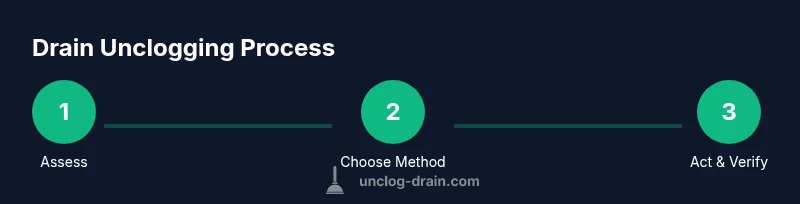
When a drain clogs, the first step is to assess the situation without rushing to apply force. Identify whether the blockage is in a sink, shower, tub, or toilet, and check if water is standing or draining slowly. This matters because different tools suit different fixtures. According to Unclog Drain, always start with safety: wear gloves, put on eye protection, and keep children and pets away from the work area. If there is sewage-backed water, turn off the affected fixture's supply and avoid mixing with other drains.
Before you dive into tools, take a quick inventory of the space: is there a P-trap you can access from underneath the sink? Do you have a cleanout plug or access point? By mapping the clog location and potential access points, you reduce the risk of splashing and pipe damage. This upfront check saves time and protects your home’s plumbing. Unclog Drain's approach emphasizes cautious, methodical work rather than brute force.
Finally, consider ongoing maintenance: regular flushing with hot water, a monthly mild cleaner, and mindful disposal habits can prevent future clogs. If the clog is stubborn or you notice multiple fixtures draining slowly, the blockage may be deeper in the main sewer line and professional help could be warranted.
Choosing the right method: mechanical vs chemical
There are two broad approaches to unclogging a drain: mechanical methods that physically remove the obstruction, and chemical methods that dissolve or loosen the clog. Mechanical methods are generally safer for most residential pipes and include plungers and hand augers. Chemical cleaners should be used with caution and only if a mechanical method fails or is unsuitable for the fixture. Always follow label directions and ventilate the area.
For kitchen sinks, a plunger with a good seal or a narrow drain snake can dislodge food debris. For showers and tubs with hair, a hand auger or a bent wire hanger can reach deeper but must be used gently to avoid scratching surfaces. Toilets require a flange plunger or toilet auger designed for that fixture. In short, choosing the method based on the fixture and the clog type reduces the risk of pipe damage and minimizes cleanup.
Step-by-step: mechanical unclogging with a plunger
Step 1: Create a tight seal around the drain with a plunger, ensuring dislodging pressure. Step 2: Pump with steady, forceful strokes for 15-30 seconds, keeping the seal intact. Step 3: Lift the plunger to observe if water drains; repeat as needed up to several cycles. Step 4: If water remains, switch to another method or move to a hand auger. Step 5: Once clear, flush with hot water to wash away debris. Tip: For best results, keep air out and use a cup plunger for sinks or a flange plunger for toilets. Safety: never use metal objects inside the drain, and avoid forcing the plunger if the pipe feels rigid.
Step-by-step: using a hand auger (snake) for deeper clogs
Step 1: Remove the drain cover and insert the auger into the drain, turning the handle clockwise. Step 2: Push gently while rotating to feel for resistance, then pull back slightly to retrieve debris. Step 3: Extend a few more inches and repeat until the obstruction loosens. Step 4: Retract the cable slowly and wipe debris from the end. Step 5: Run hot water through the drain to rinse loosened material. Tip: Do not force the auger; if it won’t advance, stop and reassess to avoid pipe damage. Safety: wear gloves and eye protection when working with sharp edges or metal cables.
Natural methods and safe cleaners: baking soda, vinegar, hot water
Natural methods can supplement mechanical techniques and reduce chemical exposure. Start by pouring a cup of baking soda down the drain, followed by a cup of white vinegar. Wait 15-30 minutes, then flush with hot (not boiling) water. For stubborn organic clogs, this foaming reaction can help loosen debris. Do not mix baking soda-vinegar with bleach or other cleaners, as dangerous gases can form. If the clog persists after these steps, proceed with mechanical methods or call a professional.
Hot water alone can also help dissolve soap scum and grease. Pour a kettle of near-boiling water in stages, allowing time between pours for the water to move debris along the pipe. The combination of mechanical and natural methods minimizes chemical exposure while remaining effective.
Preventing future clogs: maintenance and habits
Prevention is easier than repetitive unclogging. Implement a monthly drain maintenance routine: run hot water down every drain for 15-30 seconds, followed by a mild cleaner or a baking soda-vinegar flush. Install sink strainers to catch hair and food scraps and empty them weekly. In kitchens, avoid pouring grease or oil down the drain; wipe pans with paper towels instead. For showers and tubs, use a hair catcher and clean it regularly. Periodically inspect the P-trap for buildup and remove it to wash out gunk. If you have a garbage disposal, grind small amounts of citrus peels and ice to help clean the blades. Finally, know your limits: if multiple fixtures drain slowly, the problem could be a main sewer line, and a licensed plumber may be necessary.
Authority sources
Here are reputable references you can consult for broader guidance on drain maintenance and safety:
- Mayo Clinic: Home safety and DIY health tips for house repairs and maintenance.
- WebMD: Consumer-focused home improvement safety and tool use guidelines.
- Consumer Reports / Major publications: General plumbing safety and maintenance best practices.
Note: Always verify product instructions and local codes before using tools or cleaners.
Tools & Materials
- Cup plunger(Best for sinks; ensure a tight seal against the drain.)
- Flange plunger (toilet)(Use only for toilet clogs; not ideal for sinks.)
- Hand auger / drain snake(3-6 ft flexible coil; insert carefully and rotate while pushing.)
- Bucket and towels(Catch water and keep area tidy.)
- Rubber gloves(Protect hands from dirty water and debris.)
- Safety goggles(Eye protection against splashes.)
- Baking soda(Used in natural cleaning method.)
- White vinegar(Used with baking soda for foaming action.)
- Hot water (not boiling for PVC)(Flushes debris without damaging pipes.)
Steps
Estimated time: 45-75 minutes
- 1
Assess clog and prep area
Identify the fixture experiencing the clog (sink, shower, tub, or toilet). Clear the surrounding space, place towels, and put on gloves and safety goggles. If sewage backing is present, avoid using cleaners and call a professional.
Tip: Take measurements of the trap access point if possible; a quick map helps choose the right tool. - 2
Choose your method based on fixture
Decide between a plunger, hand auger, or natural methods depending on the fixture type and clog severity. Sinks and tubs usually respond well to plungers; hair clogs often respond to a hand auger.
Tip: If the clog is deep or the water drains slowly across multiple fixtures, consider the main line and step back to a professional. - 3
Set up and use a plunger
Position the plunger to create a tight seal over the drain opening. Pump with steady, full strokes for 15-30 seconds, keeping the seal intact. Lift to test drainage; repeat as needed.
Tip: For best results, use a flange plunger for toilets and a cup plunger for sinks. - 4
Operate the hand auger (snake)
Insert the auger into the drain, turning clockwise as you push forward gently. When you feel resistance, rotate and pull back to pull debris free. Extend a few more inches and repeat until you retrieve loosened material.
Tip: Avoid forcing the cable; forcing can damage pipes or push the clog deeper. - 5
Try natural cleaners if needed
Pour baking soda down the drain, then add vinegar in a controlled pour. Wait 15-30 minutes, then flush with hot water. This foaming action helps loosen organic buildup without harsh chemicals.
Tip: Do not mix with bleach; dangerous gases can form. - 6
Finish with rinse and verify
Flush the drain with hot water, then run water to confirm you’ve restored flow. Clean tools thoroughly and store them properly. If the clog persists, escalate to more advanced techniques or a plumber.
Tip: Document the steps you took in case you need to reference them later or show a plumber.
Common Questions
What is the most effective method to unclog a sink?
For most sinks, a tight-sealing plunger followed by a hot water flush works best. If the clog persists, a hand auger can reach deeper. Move to professional help if multiple fixtures drain slowly.
For most sinks, start with a plunger and hot water, and move to a hand auger if needed.
Can I use chemical drain cleaners safely?
Chemical cleaners can be effective but pose risks to skin, eyes, and pipes. Always read the label, ventilate, and avoid mixing with other cleaners. Use chemical cleaners only if mechanical methods fail or for specific clogs.
Chemicals can help, but they pose risks. Follow instructions and avoid mixing with other cleaners.
What should I do if the clog remains after trying a plunger and a snake?
If the clog remains after both methods, the obstruction may be deeper in the plumbing or a main sewer line. Stop attempts that could damage pipes and call a licensed plumber for a diagnosis.
If it doesn’t clear, deeper issues may be involved; contact a plumber.
Is it safe to pour boiling water down a PVC drain?
Boiling water can soften and damage PVC pipes in some cases; use hot water (not boiling) for flushes unless the manufacturer specifies otherwise. Check pipe material before using hot water.
Boiling water can harm PVC pipes; use hot water unless your pipes tolerate it.
How often should I perform drain maintenance?
Aim for a monthly habit: flush with hot water, inspect strainers, and perform a gentle baking soda-vinegar flush every few weeks. Regular upkeep reduces the chance of repeated clogs.
Make monthly drain maintenance part of your routine.
When should I call a plumber?
Call a plumber if the clog recurs after multiple attempts, if you hear gurgling in multiple fixtures, or if you suspect a main sewer line issue. A professional assessment can prevent further damage.
Call a plumber if the clog returns after several tries or if you suspect a broader sewer problem.
Key Points
- Inspect the clog location before taking action
- Prioritize mechanical methods first for safety
- Use natural cleaners before harsh chemicals
- Prevent future clogs with routine maintenance
- Know when to call a licensed plumber