Clogged Water Line: A DIY Unclog Guide
Learn to diagnose and safely unclog a clogged water line with practical steps, essential tools, and prevention tips from Unclog Drain. This DIY guide covers fixture- vs main-line issues, mechanical clearing, eco-friendly options, and when to hire a pro.


By the end, you’ll be able to diagnose whether the clogged water line is in a fixture or the main line and clear it safely with basic tools. Start with mechanical methods (plunger or a drain snake) and hot water, reserve eco-friendly cleaners for minor buildups, and know when to call a professional. We’ll also cover safety, required tools, and common mistakes to avoid.
Understanding where a clogged water line happens
A clogged water line can affect multiple fixtures or an entire floor, depending on whether the issue is in a single fixture or the main line. In practice, homeowners notice reduced flow from sinks, showers, and toilets, sometimes with gurgling noises or slowed drainage. According to Unclog Drain, most clogs originate from routine buildup: mineral deposits, soap scum, hair, grease, or debris that collect over time. In kitchens, grease and food scraps are common culprits; in bathrooms, hair and soap residues are frequent. When a clog reaches the main line, you may see simultaneous slow draining in several fixtures and low overall pressure. The key is to identify whether the symptom appears at one fixture or across the house. With that knowledge, you can select the safest and most effective clearing strategy without overdoing it.
Diagnosing fixture-level vs main-line clog
To decide how to attack the problem, start by testing different fixtures. If only one sink or shower drains slowly, the clog is likely fixture-specific. Run water in other fixtures to see if they’re affected. If multiple fixtures are slow, especially those on different lines, the problem could be the main water line or a shared drain. Check your home's water pressure: a drastic drop when multiple outlets run points to a main-line issue. Listen for noises like banging pipes when turning on taps; that can indicate pressure problems. Inspect accessible traps under sinks; a full P-trap can back up the line. For safety, turn off the water supply before disassembling any parts. If you confirm a fixture-level clog, you can proceed with targeted clearing; if you suspect a main-line clog, proceed with caution and consider professional help to avoid risking sewer backups.
Mechanical clearing methods you can safely perform
Mechanical methods are the safest first-line approach for many clogged water lines. Start with a standard cup plunger—seal well over the drain and give firm, several short pushes to create suction. If you have a double-bowl kitchen sink, seal one side and plunge the other. For toilets, use a flange plunger and a steady up-down motion; never mix methods between fixture types. If plunging alone doesn’t clear the clog, insert a hand-crank drain snake into the drain opening. Feed the snake slowly, then rotate the handle to break up or hook the debris. Pull back and repeat until you feel resistance release. Avoid forcing the snake; friction can damage the pipe or vent system. Keep a bucket under the area to catch any standing water and wipe spills promptly. After clearing, run hot water for several minutes to clear residue and ensure the line remains open.
Eco-friendly options and chemical considerations
Chemical drain cleaners can damage pipes and emit fumes, especially on older systems. Use them only as a last resort and never in combination with other cleaners. Eco-friendly options include a vigorous hot-water flush in stages, then a quick sprinkle of baking soda followed by vinegar. The fizz can help loosen minor buildup in some metal or PVC pipes. After the fizzing stops, flush again with hot water. Enzymatic cleaners can also help maintain lines after a mechanical clearing, but they require time to work and must be used as directed. Avoid pouring caustic products into main sewer lines or onto damaged pipes. If you’re unsure about pipe material or drainage configuration, pause and consult a professional.
When to call a professional and long-term fixes
DIY clearance works for minor, accessible clogs, but persistent or recurring clogs suggest deeper problems such as a blocked main line, tree roots, or damaged pipes. If you still see slow drainage after repeated attempts, stop and contact a licensed plumber. Prepare to share details: when the clog began, fixtures affected, any cleaning chemicals used, and whether you’ve recently had plumbing work. A professional can perform camera inspection, hydro-jetting, or pipe replacement if needed. In the meantime, practice preventive steps: install strainers on sinks, avoid pouring grease down the drain, and schedule periodic maintenance checks. By understanding the limits of DIY methods and following a cautious approach, you can prevent emergencies and protect your home’s plumbing.
Tools & Materials
- Plumber's snake (auger) or hand-crank drain snake(6-25 ft length depending on fixture)
- Plunger (cup/plunger)(Cobra-style plunger for sinks)
- Bucket(To catch water)
- Adjustable wrench(If you need to disconnect pipes)
- Old towels/rags(To absorb spills)
- Safety goggles and gloves(Protect eyes/skin)
- Vinegar and baking soda(Eco-friendly options)
- Flashlight(To peek into pipes)
Steps
Estimated time: Estimated total time: 45-75 minutes
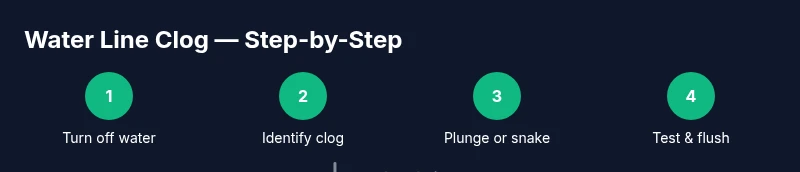
- 1
Turn off the water supply
Before you touch any pipes, shut off the main supply or the fixture’s shut-off valve to prevent spills and backflow. Open a nearby faucet to relieve pressure and confirm the line is indeed de-pressurized. This reduces the risk of splashing contaminated water and makes probing easier.
Tip: Always test other fixtures after turning off water to confirm the supply is fully stopped. - 2
Inspect the clog location
Check whether the issue is isolated to one fixture or affects several. If only a single drain is affected, focus your efforts here. If several drains are slow, the clog may be in the main line. Visual checks can help determine if a trap needs cleaning or removal.
Tip: If you see standing water near a trap, place a bucket and wear gloves to avoid contact with waste. - 3
Plunge the fixture
Seal the drain with a plunger and create a tight seal. Use firm, controlled pushes for 15-30 seconds, then release to see if the flow improves. Repeat a few times. If the clog remains, move to the next method.
Tip: For double sinks, seal the opposite side to maximize suction. - 4
Use a drain snake
Insert the snake into the drain and rotate the handle as you push forward. When you feel resistance, pull back slightly and continue rotating to break up the clog. Retrieve debris and repeat until you feel a clear run.
Tip: Don’t force the snake; meet resistance with a gentle retreat and re-try. - 5
Flush with hot water
Run hot (not boiling) water for several minutes to rinse loosened material through the pipes. If you have PVC, use warm water to avoid softening or damaging the material. Repeat if needed.
Tip: Avoid extremely hot water on older pipes that may crack under rapid temperature changes. - 6
Consider eco-friendly aids
If the clog persists, try a baking soda and vinegar treatment in small amounts, followed by hot water. This can help dislodge minor buildup without harsh chemicals.
Tip: Let the fizzing settle before adding more water to prevent overflow. - 7
Test and plan follow-up
Run water through the fixture again to confirm clearance. If flow returns but deteriorates again, document conditions and plan a professional inspection to prevent recurring problems.
Tip: Take note of any recurring symptoms and timing to share with a plumber later.
Common Questions
What is a clogged water line and how can I tell?
A clogged water line is a blockage that reduces water flow in pipes. Signs include slow drainage across multiple fixtures, gurgling noises, and reduced water pressure. Start by testing several fixtures to distinguish fixture-specific clogs from a main-line problem.
A clogged water line is a blockage reducing water flow in pipes. Look for slow drainage across multiple fixtures and low pressure to identify the issue.
Can I use chemical drain cleaners on a clogged water line?
Chemical drain cleaners can damage pipes and cause fumes, especially in older homes. They should be used with caution and are generally not recommended for main-line clogs. Consider mechanical methods first and reserve chemicals only for minor, isolated clogs as a last resort.
Chemicals can damage pipes and fumes can be dangerous. Use them sparingly and only after trying mechanical methods.
Is plunging effective for a water line clog?
Plunging is often the first-line method for fixture clogs and can be effective when done correctly. Ensure a tight seal and use multiple firm pushes, then test the drain. If there’s no improvement, proceed to a drain snake.
Plunging can work well for fixtures if done right; seal well and push firmly, then test.
When should I call a professional for a clogged water line?
Call a professional if the clog affects multiple fixtures, recurs after clearing, or you suspect main-line damage or tree roots. A plumber can perform camera inspection, hydro-jetting, or pipe replacement as needed.
Call a professional if it affects several fixtures or if you suspect main-line damage.
What tools do I need for DIY unclogging?
Essential tools include a plunger, a hand-crank drain snake, a bucket, towels, gloves, safety goggles, and a flashlight. Optional but helpful items are an adjustable wrench and a bottle of eco-friendly cleaner.
You’ll want a plunger, a drain snake, gloves, goggles, and a bucket.
How can I prevent clogged water lines in the future?
Use sink strainers, avoid pouring grease and coffee grounds down drains, run hot water periodically to flush pipes, and schedule periodic maintenance checks. Regular cleaning reduces mineral and debris buildup over time.
Prevent clogs by using strainers and avoiding grease; run hot water regularly.
Watch Video
Key Points
- Identify whether the clog is fixture-specific or main-line.
- Start with mechanical methods before chemicals.
- Prioritize safety and use the right tools.
- Know when to call a professional to avoid backups.
- Prevent future clogs with strainers and mindful disposal.