Clogged Drain Line: Quick DIY Fixes and Safe Precautions
An urgent, practical guide to diagnosing and clearing a clogged drain line. Learn quick fixes, at-home techniques, and when to call a professional to prevent water damage.


A clogged drain line is usually caused by hair, grease, or debris buildup in the trap or pipes. Start with a quick fix: flush with hot water or a baking soda-vinegar treatment, then try a plunger or a hand snake. If drainage remains slow, follow the diagnostic flow for deeper troubleshooting.
Understanding what a clogged drain line signals
A clogged drain line is a sign that something in your home’s plumbing is not allowing water to flow freely. In most homes, the issue starts with everyday use: hair, soap scum, cooking grease, or mineral deposits accumulate in the P-trap or the horizontal pipes leading away from fixtures. According to Unclog Drain, neglecting these minor buildups compounds the problem until water backs up or drains painfully slowly. The danger isn't just inconvenience; slow drainage can lead to odors, mold growth, and potential water damage behind walls. The good news is that you can often prevent escalations with a systematic approach: test multiple fixtures, note where slow drainage occurs, and tackle the issue before it becomes a bigger, costlier repair. By staying patient and following safe practices, you can often reclaim full drainage without professional help, especially if you catch it early. This guide keeps the focus on practical steps you can perform safely, while clearly signaling when professional intervention is warranted.
Common Causes and Symptoms
Clogged drain line symptoms include slow drainage, gurgling sounds, water backing up into sinks, tubs, or toilets, and occasionally bathroom or kitchen fixtures that suddenly drain poorly. The most frequent culprits are localized debris—hair, soap scum, toothpaste, and food particles—getting trapped in the P-trap or pipe bends. Grease and oil can harden inside drains, creating a slick that catches other debris. In some cases, mineral buildup from hard water adds to the blockage. Less common but real issues include vent stack blockages (which cause air pressure problems) or a partial clog in the main sewer line behind your house. If several fixtures are affected at once, that points toward a main line or vent problem rather than a single trap. A quick test: run water in a few fixtures and observe which ones slow down first. This helps you determine the likely location of the clog and plan safety-first steps.
Safe At-Home Fixes to Try Now
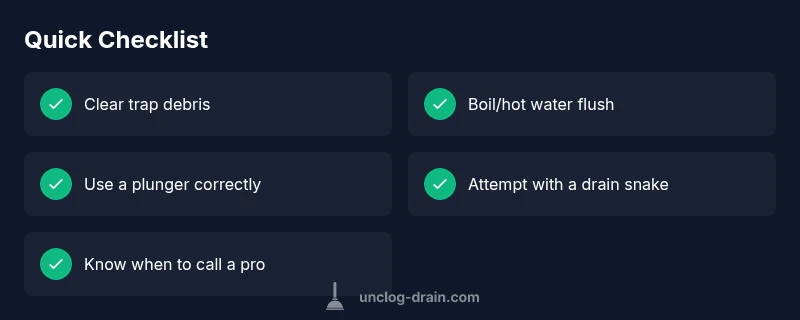
Before you reach for chemical cleaners or heavy tools, try these safe, low-cost steps that often resolve a clogged drain line. Start with the simplest solution and proceed only if water remains stubbornly slow. First, flush the drain with very hot water (or thoroughly boiling water where the piping allows) to loosen soap residues. Then sprinkle baking soda into the drain followed by a cup of white vinegar; let the fizzing action sit for 15-20 minutes before flushing with hot water again. Use a plunger with a tight seal, covering the overflow if applicable, and work with steady, plunging pressure. If the clog persists in a sink, place a bucket under the P-trap, remove the trap, and clean out any hair and debris. For stubborn blockages, a thin drain snake can be inserted into the pipe, gently rotating to break up the obstruction. Do not force tools beyond the trap or into pipes where you cannot see; if you encounter resistance or smell sewage, stop and call a professional.
Diagnostic Flow at a Glance
A disciplined diagnostic flow helps you avoid guessing and wasting effort. Begin by identifying the symptom (which fixture is affected and how quickly water drains). Then note possible causes: hair buildup in the trap (high likelihood), grease buildup in kitchen lines (medium), or vent issues/main sewer line problems (low). Based on the observed symptoms, apply targeted fixes: clear the immediate trap, try mechanical clearing with a snake, and consider professional inspection if multiple fixtures are involved or if you detect sewage odors, standing water, or sewer gas. This flow aligns with safe, incremental troubleshooting and emphasizes when to transition from DIY steps to professional help. Throughout, maintain proper PPE and avoid aggressive chemical cleaners that can damage pipes or pose health risks.
Step-by-Step Fix for the Most Common Cause
In most households, the culprit is a built-up trap with hair, soap, and debris. The following narrative outlines a practical sequence you can follow to clear this issue safely and effectively. Start by preparing your workspace and confirming you have the right tools. Then inspect the P-trap, clean it thoroughly, and reassemble with care. A hot-water flush or baking-soda-vinegar boost can help dislodge residues, and a drain snake can address deeper blockages. Finish with a test run and vigilant monitoring to ensure the clog won’t return immediately. If the line remains slow after these steps, the problem is likely deeper in the pipe or involves the main sewer line, which requires professional help.
Prevention and Safety Tips
Prevention is the best cure for recurring clogs. Use drain screens on every fixture to catch hair and food particles, and avoid pouring fatty liquids down the drain. Regularly flush drains with hot water and a mild cleaner, and schedule quarterly checks of traps and venting where accessible. Safety-minded DIYers should wear gloves and eye protection, avoid mixing cleaners, and never use caustic chemical drain cleaners as a first resort. Finally, document repairs and test results so you can spot trends and lower the chances of future clogs.
What to Do If It Still Won't Drain
If you’ve methodically worked through the steps above and the drain remains stubborn, it’s time to escalate. A recurring clog may indicate deeper blockages, a venting problem, or a compromised main sewer line. In these cases, avoid forcing tools or toxic cleaners, which can damage your pipes or create health hazards. Schedule a professional inspection promptly to prevent water damage and protect your home's plumbing system.
Steps
Estimated time: 60-90 minutes
- 1
Shut off water and prepare area
Before you touch any pipes, turn off the fixture's supply and place towels or a bucket to catch spills. Remove visible debris near the opening.
Tip: Wear gloves and eye protection. - 2
Inspect the P-trap
Place a bucket under the trap and loosen the slip nuts to inspect for debris. Clean the trap thoroughly and dry it before reassembly.
Tip: Take a photo of the trap layout to help reassemble later. - 3
Clean and reassemble the trap
If the trap is clogged, clear the debris with a brush, then reassemble carefully. Run water to test flow before moving on.
Tip: Ensure washers are seated properly to prevent leaks. - 4
Flush with hot water and a safe cleaner
Boil water (or very hot tap water) and pour gradually to help dislodge buildup. You can repeat with a baking soda and vinegar mix for a fizzing boost.
Tip: Do not use boiling water in PVC pipes that are damaged. - 5
Use a plunger or hand auger
For sinks, cover overflow and create a good seal; for toilets, apply steady pressure. If you’re using a snake, feed it slowly and rotate to break up clogs.
Tip: Avoid forceful plunging that could crack pipes. - 6
Test and monitor
Run water for several minutes; check for slow drainage or recurring clogs. If it’s still slow, proceed to professional assessment.
Tip: Document the process if you plan to hire a plumber.
Diagnosis: Slow drainage, gurgling noises, or frequent clogs in sinks, tubs, or toilets.
Possible Causes
- highHair, soap, and food particles buildup in P-trap and pipes
- mediumGrease or oil forming a slick in the pipe
- lowVent blockage or main sewer line issue
Fixes
- easyClear the immediate blockage with a plunger or hand auger
- mediumDisassemble and clean the P-trap; snake the line for deeper blockages
- hardInspect venting/main sewer line; call a professional if needed
Common Questions
What is considered a clogged drain line?
A clogged drain line is a blockage along the pipeline that slows or stops flow. Common culprits include hair, soap scum, grease, and mineral buildup. Diagnosis often requires inspecting traps, pipes, and venting.
A clogged drain line is a blockage that slows water flow. Hair, soap, and grease are common causes.
Can chemical drain cleaners fix a clogged drain line?
Chemical cleaners can provide a quick fix for minor clogs, but they can damage pipes and seals if used improperly. They also don't solve root causes like trapped debris.
Chemical cleaners can help sometimes, but they can hurt pipes and don't fix root causes.
When should I call a plumber?
If the clog recurs after DIY attempts, involves the main sewer line, or there are multiple fixtures affected, it's time to contact a licensed plumber. Persistent odors or water backup require professional assessment.
Call a plumber if the clog keeps returning or you suspect main-line issues.
What tools do I need for DIY unclogging?
Basic tools include a plunger, an adjustable wrench, a hand auger or drain snake, bucket, towels, and eye protection. For toilets, use a flange plunger designed for toilets.
You'll want a plunger, a drain snake, and safety gear.
Why does a clog keep returning?
Recurring clogs usually mean you have a wider issue such as a trap buildup deeper in the line, mineral deposits, or vent problems. Address root causes and consider professional inspection if problems persist.
Recurring clogs often mean deeper issues; you may need a pro inspection.
Is it safe to use a toilet snake on toilets?
Yes, but use a toilet-specific auger with a long, flexible cable. Do not force the line, and protect the porcelain to avoid cracks.
A toilet auger is safe when used correctly; don’t force it.
Key Points
- Act quickly to prevent water damage
- Start with safe at-home fixes
- Move to mechanical methods before chemicals
- Know when to call a pro
- Document steps for future prevention