How to Clean a Dishwasher Drain: A Home DIY Guide
Learn a safe, homeowner-friendly method to clean a dishwasher drain, prevent clogs, and maintain optimal drainage. Practical, step-by-step instructions with tips from Unclog Drain.


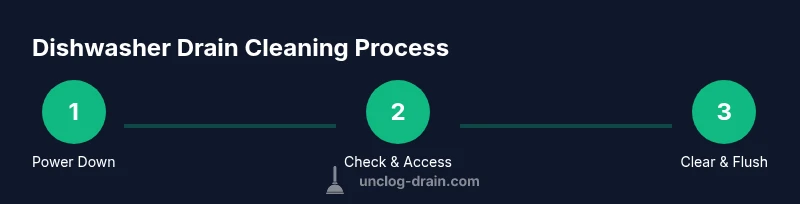
With this guide, you will learn how to clean a dishwasher drain and restore proper drainage without calling a plumber. You’ll safely shut off power, inspect the drain line, remove the blockage, and flush the system. Follow the step-by-step steps and check after tests to prevent future clogs at home today.
Why a clean dishwasher drain matters
A clean dishwasher drain prevents clogs, backups, and unpleasant odors from invading your kitchen. When the drain and filter are dirty, wastewater can back up into the tub or overflow into cabinets. According to Unclog Drain, regular maintenance not only protects your plumbing but also extends the life of your dishwasher by reducing strain on the pump and seals. In this section, you'll learn why this task matters and how neglecting it can lead to more expensive repairs down the line. A well-maintained drain also improves drainage efficiency, ensuring the appliance runs on schedule and uses less water per cycle. By understanding the drain’s role, you can diagnose issues earlier and avoid more invasive interventions.
How clogs form in dishwasher drains
Most dishwasher clogs form when food debris, grease, and soap scum accumulate in the filter, hose, and trap. Over time, small particles stick to surfaces and create a stubborn blockage that slows drainage. In hard-water areas, mineral deposits can also build up on the pump and valve components, reducing flow. The dishwasher’s draining cycle can drag loose debris into the line, especially if dishes leave behind rice, pasta, or fibrous residues. Another common culprit is a damaged or kinked hose that traps water and debris. Understanding these mechanisms helps you target the right area during cleaning and prevents repeat clogs.
Safety first: prep and planning
Before you dive into any cleaning task, there are universal safety steps to follow. Power down the dishwasher at the circuit breaker or unplug the unit to avoid shock. If your model has a dedicated fuse, remove it and wait a minute or two to ensure residual charge dissipates. Next, shut off the water supply to the dishwasher to minimize leaks. Place towels and a bucket nearby to catch any water that escapes. By planning your approach, you reduce risk and create a clean, organized workspace for the job.
Quick checks before disassembly
Some clogs can be resolved without taking the machine apart. Start by removing the bottom kick panel or toe kick to access the filter and drain area. Inspect the filter for trapped food particles and rinse it under running water. If visible debris remains in the drain hose, disconnect the hose from the disposal or air gap and carefully remove the obstruction with tongs or a flexible brush. Check for kinks or pinch points in the hose that could slow drainage. Performing these quick checks can save you time and avoid unnecessary disassembly.
Clearing strategies: manual cleaning, auger, and flushes
There are several effective strategies to clear a dishwasher drain. Manual cleaning involves removing visible debris from the filter, sump, and nearby hoses. For tougher blockages, use a hand auger or a small drain snake, feeding it gently into the drain line while rotating to break up the clog. After you clear the line, flush with warm water or a vinegar-water solution to dissolve mineral buildup and rinse away residue. In hard-water homes, a gentle mineral flush every few months helps maintain flow without harsh chemicals. Remember to reassemble components securely after the clean.
Aftercare: maintenance to prevent future clogs
Once the drain is clear, establish a simple maintenance routine. Clean the filter after every other use and wipe down the sump area to remove grease and soap scum. Run a short hot-water cycle with a cup of white vinegar (no harsh chemicals) every 1–2 months to discourage buildup. Keep the area under the sink dry and inspect the drain hose for wear or cracks. These habits reduce the chance of recurring clogs and keep your dishwasher running smoothly.
When to call a professional
If water backs up despite your best efforts, or if you notice a persistent clog after trying manual cleaning and a brief auger, it’s time to seek professional help. A licensed plumber can check the drain layout, trap, and mainline for deeper issues or tree roots that a homeowner cannot safely address. In some cases, there may be an issue with the dishwasher’s pump or electronic controls that require factory service. Don’t delay if you observe unusual noises, gas-like smells, or signs of water damage.
Quick tip: avoid common mistakes
Avoid pouring chemical drain cleaners into a dishwasher. They can damage seals and rubber hoses and may not address the root cause of the clog. Do not yank or aggressively force the hose; this can create leaks or disconnect fittings. Always test the dishwasher with a short cycle after any cleaning to confirm proper drainage and watch for leaks around connections.
Tools & Materials
- Safety gear: rubber gloves(Non-slip nitrile gloves to protect hands from water and debris)
- Bucket(1-2 gallon capacity to catch spills)
- Old towels or rags(Several for drying and cleanup)
- Screwdriver set (Phillips and flat-head)(For removing panels or fasteners)
- Pliers(Needle-nose or slip-joint for hose clamps)
- Drain snake or auger(Handheld auger sized for sink/drain use)
- Flashlight(Better visibility inside the cabinet)
- Dishwasher-safe cleaner or white vinegar(For optional flush after clearing the line)
- Replacement hose clamp(If you need to reseal a hose connection)
Steps
Estimated time: 45-60 minutes
- 1
Power down and unplug
Switch off the circuit at the breaker or unplug the dishwasher to prevent shocks. If your model has a fuse, remove it. Confirm the unit is fully disconnected before touching any components.
Tip: Double-check by trying to plug a small tool into the outlet—if nothing happens, you’re safe. - 2
Access the drain area
Remove the toe kick panel or access panel to reach the filter and sump. A flashlight can help you see tight spots. Keep screws organized so you don’t lose them.
Tip: Take a photo of hose connections before unplugging to aid reassembly. - 3
Drain the standing water
Use a cup or towel to remove water pooled in the bottom of the dishwasher or cabinet. This prevents spills when you work on the drain hardware.
Tip: Change towels frequently to avoid slipping on wet surfaces. - 4
Inspect and rinse the filter
Remove the filter and rinse under warm water. Clear any trapped food particles with a soft brush. A clogged filter can significantly slow drainage even if the rest of the line is clear.
Tip: Use a small brush or old toothbrush for stubborn debris. - 5
Check the drain hose and air gap
Detach the drain hose from the disposal or air gap and inspect for kinks, clogs, or cracks. Gently wipe clean inside the hose and reconnect securely.
Tip: If you feel resistance with the hose, do not force it; reassess the path for obstructions. - 6
Clear the line with a drain snake
Feed the snake into the drain, rotating slowly as you push. When you feel resistance, pull back slightly and rotate to break the clog. Re-test by running a short wash cycle with the hose detached to observe flow.
Tip: Avoid twisting hard; steady, gentle motions are most effective. - 7
Flush and rinse
Flush the drain with warm water; you can add a splash of vinegar to help dissolve mineral buildup. Rinse the filter area again to remove loosened debris before reassembly.
Tip: Never mix vinegar with bleach or harsh cleaners in proximity to the appliance. - 8
Reassemble and test
reconnect all panels, hoses, and clamps securely. Restore power and run a test cycle to ensure proper drainage and no leaks. Check under the sink for signs of moisture after the cycle completes.
Tip: If you notice leaks, reseat clamps and ensure the hose is fully seated on the fittings.
Common Questions
What causes dishwasher drains to clog?
Common causes include trapped food particles, grease, soap scum, and mineral buildup from hard water. Over time, these accumulate in the filter, hose, and trap, narrowing the path for drainage.
Dishwasher drains clog mainly from food, grease, and mineral buildup that collect in the filter and hoses.
Can I use chemical drain cleaners in a dishwasher?
Chemical drain cleaners are not recommended for dishwashers because they can degrade seals and hoses and may not reach the clog effectively. Use mechanical clearing methods first.
Avoid chemical cleaners in dishwashers; they can damage seals and hoses. Try manual clearing first.
Is it possible to clear a dishwasher drain without removing the dishwasher?
In some cases, clogs are accessible from the front bottom panel or the drain hose beneath the sink. If you can access the filter, hose, and trap without moving the appliance, you may clear the clog without full removal. If you can’t reach it safely, call a pro.
Sometimes you can clear it from the front or underneath, but not always. If in doubt, hire a professional.
How often should I clean the dishwasher drain to prevent clogs?
Aim for a light cleaning of the filter and sump every 1–2 months, with a deeper drain check every 6–12 months depending on usage and water hardness.
Clean the filter every 1–2 months and inspect the drain every 6–12 months.
What should I do if the clog persists after cleaning?
If the drain remains blocked after trying a snake and flush, the issue may be deeper in the main line, or a failed pump. Stop troubleshooting and call a professional to prevent water damage.
If a clog sticks around after cleaning, get a professional to check deeper plumbing or the pump.
Watch Video
Key Points
- Identify the area of the drain that is clogged before disassembly
- Use a drain snake carefully to avoid damaging hoses and fittings
- Flush with warm water and optional vinegar to dissolve buildup
- Establish a maintenance routine to prevent recurring clogs