How to Clean a Dishwasher Drain Hose: A DIY Guide
Learn how to clean a dishwasher drain hose quickly and safely. This practical guide covers tools, step-by-step instructions, and maintenance tips to prevent clogs and odors.


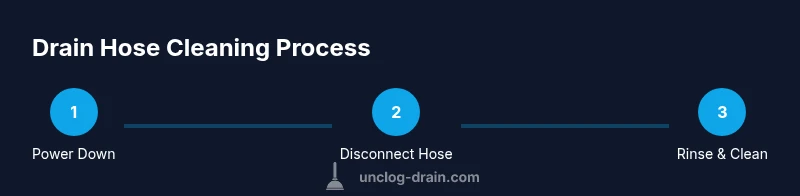
Clean a dishwasher drain hose by disconnecting it, removing blockages, flushing with hot water, and reinstalling. Always unplug the machine first and wear gloves. Then run a quick rinse cycle to verify proper drainage and no leaks.
Why cleaning the dishwasher drain hose matters
A clean dishwasher drain hose is essential for proper drainage and preventing odors. The hose can accumulate food particles, soap scum, and mineral deposits over time, restricting flow and creating a breeding ground for mold. According to Unclog Drain, neglecting this component is a common source of slow draining and backups. When the hose is clogged or kinked, water backs up into the tub or leaks under the appliance. Regular attention to the drain hose not only improves cleaning performance but also extends the life of the dishwasher. In this section, we explore why this part deserves attention and how to spot early signs of trouble, such as standing water, gurgling sounds, or water around the base of the machine. A straightforward clean can restore efficient drainage and reduce odors without costly repairs. You will learn how to safely inspect and refresh the hose, so your dishes come out clean and dry every time.
Tools and safety you need before you start
Before you begin, gather a few tools and prepare a safe workspace. You will need a bucket or tray to catch wastewater, towels or rags for cleanup, adjustable pliers, a flashlight, a screwdriver, and a long flexible brush or pipe cleaning tool. Optional items include white vinegar, baking soda, and a mild dish soap. Wear gloves and safety glasses to protect hands from dirty water and sharp edges. Ensure the dishwasher is unplugged from the wall and that you turn off the circuit breaker if you have any doubts about electrical safety. Work in a well lit area, and place towels around the cabinet to prevent water damage. If your kitchen floor is porous or wood, consider placing a mat to protect it during the process. Having a clean workspace reduces risk and makes the hose cleaning smoother and faster.
Accessing the drain hose: disconnecting the unit safely
Most dishwashers connect the drain hose to the garbage disposal or sink drain under the kitchen cabinet. Start by turning off power and removing the kick plate or access panel to reach the hose clamp. Use a bucket to catch residual water when you loosen the clamp, and carefully pull the hose free. Do not yank the hose; inspect the connection for cracks or a loose clamp. If you are working behind a disposal, ensure the knockout plug is removed and the disposal is powered off. Keep a note of where the hose routes to avoid kinks after reinstallation. This step creates a clear path for cleaning and reduces the risk of leaks when you test the machine later.
Inspecting the hose for clogs and kinks
With the hose removed, examine the interior for obstructions such as accumulated food particles or soap scum. A flexible pipe cleaner or a thin brush can help extract debris. Look for cracks, holes, or obvious signs of wear that could cause leaks. Also inspect for kinks or sharp bends which can restrict flow. If the hose has a mesh exterior or armor, check the connections at both ends for wear. Document any damage or difficult to clean sections so you know what to replace later. A healthy hose should be smooth inside, with no debris visible when you shine a light through it.
Cleaning and flushing the hose: methods and best practices
Rinse the hose with warm water and a mild detergent to remove built up grease and residue. For stubborn buildup, fill a bucket with hot water, a splash of white vinegar, and a teaspoon of baking soda, then flush the hose with the solution using a funnel or a spray bottle. A flexible brush can dislodge stubborn deposits. Avoid using caustic cleaners or bleach inside the dishwasher drain hose, as these chemicals can harm seals and plumbing. After cleaning, flush the hose with plain hot water until the solution is completely rinsed out. If you have hard water, consider a light mineral deposit removal with a rinse of vinegar and water, then a final flush with clean water. Dry the inside with a clean cloth or allow it to air dry before reinstalling.
Reconnecting and testing the dishwasher for leaks
Reattach the hose securely using a new clamp if the original is corroded or damaged. Route the hose so it does not kink and attach the other end to the drain with a snug, not overtightened, clamp. Restore power and run a short hot water cycle without dishes to check for leaks. If you notice any leaks at the connections, tighten the clamps a little more, but avoid overtightening, which can crack plastic ends. Check under the sink and around the base of the dishwasher for stray water. A successful test cycle with no leaks and no strong odors indicates your clean dishwasher drain hose is functioning properly.
Common mistakes and how to avoid them
Common errors include not unplugging the unit, rushing the hose removal, or using harsh chemicals that degrade seals. Avoid pulling on the hose beyond its connection, which can damage fittings. Do not skip drying steps; moisture left inside can promote mold growth. If you discard the old clamp, replace it with a corrosion resistant stainless steel clamp. Don’t forget to reconnect the power and run a test cycle before placing dishes back in the machine. These practices reduce the risk of leaks, odors, and future clogs.
Maintenance tips to prevent future clogs
Create a simple maintenance routine to keep the dishwasher drain hose clear. Monthly, run hot water through the hose and inspect both ends for tightness. Check the P-trap under the sink for debris and clean as needed. Avoid putting fibrous or starchy foods down the garbage disposal or into the dishwasher that can cause gunk traveling through the hose. Use a periodic vinegar rinse to prevent mineral buildup, but do not rely on it as a sole solution. Keep the area around the hose dry when not in use and wipe away standing water. A proactive approach helps maintain optimal drainage and minimizes the chance of recurring clogs.
Troubleshooting: when cleaning isn't enough
If the dishwasher drain hose remains clogged or leaks after cleaning, inspect the entire drain path including the sink, garbage disposal, and sewer line for blockages. A clogged main line can push wastewater back up into the dishwasher, even with a clean hose. Consider replacing aged hoses that show obvious cracks or stiffness. If odors persist after cleaning, check the inlet filter and the air gap if your model has one. In stubborn cases, consult a licensed plumber to assess the drainage system and ensure there are no hidden problems like a failing pump or a dirty trap.
Quick check: verifying proper flow over time
End the article with a quick-check routine you can perform monthly. Inspect the hose for signs of wear, ensure clamps remain tight, and listen for unusual noises during cycles. Use a flashlight to peek inside the hose for any residual debris after a cleaning. Create a small maintenance log noting dates and any observed issues. A routine, recorded approach helps homeowners maintain reliable drainage and quickly catch problems before they escalate.
Tools & Materials
- Bucket or tray(To catch wastewater during hose removal and cleaning)
- Towels or rags(For cleanup and protecting the floor)
- Adjustable pliers(Loosen hose clamps without slipping)
- Flashlight(Inspect interior and ends clearly)
- Screwdriver (Phillips or flathead)(Remove access panels or hose clamps)
- Long flexible brush or pipe cleaner(Dislodge interior debris)
- White vinegar(Optional cleaning booster)
- Baking soda(Optional cleaning booster)
- Mild dish soap(For routine cleaning)
- Gloves(Hand protection)
- Replacement hose clamp(Use if the original is corroded)
- Replacement dishwasher drain hose (if needed)(Have on hand for damaged hoses)
Steps
Estimated time: 40-60 minutes
- 1
Power down and prepare
Unplug the dishwasher at the wall and switch off the circuit if needed. Clear the area under the sink and lay towels to catch spills. This initial safety check prevents shocks and keeps your work area clean.
Tip: Always unplug first; power sources are hidden behind panels. - 2
Disconnect the drain hose
Use pliers to loosen the hose clamp and gently pull the hose free from its connection. Have a bucket ready to catch residual water. Avoid yanking to prevent hose or fitting damage.
Tip: Loosen clamps slowly to prevent spring-back spray. - 3
Inspect path and ends
Trace the hose from the dishwasher to its discharge point. Look for cracks, corrosion, or obvious wear on the ends and clamps. Note any tight bends that could recur after reassembly.
Tip: Take photos of the routing to ensure correct reattachment. - 4
Remove the hose for cleaning
Carefully detach the hose ends so you can inspect the interior. Shake out loose debris and set the hose in a tray for thorough cleaning. Keep track of which end attaches to which connection.
Tip: Mark ends with tape to avoid mix-up later. - 5
Flush inside with hot water
Rinse the interior with hot water to push out debris. Use a nozzle or funnel to direct flow and prevent splashing. Repeat until water runs clear.
Tip: Avoid pouring caustic cleaners into the hose. - 6
Scrub exterior and ends
Wipe the inside and ends with a soapy cloth. Use a flexible brush to reach tight curves. Rinse thoroughly and dry with a clean towel.
Tip: Check seals and ends for wear during cleaning. - 7
Reconnect the hose securely
Reattach the hose and tighten clamps snugly without overtightening. Ensure the routing avoids any sharp bends that could cause future blockages.
Tip: Hand-tighten first, then secure with pliers for a controlled fit. - 8
Run a test cycle
Power the unit back on and run a short hot water cycle without dishes. Look for leaks around clamps and connections, and listen for unusual sounds.
Tip: If you hear spraying, recheck clamps and alignment. - 9
Confirm and document
Check for leaks after the cycle and wipe away any moisture. Record the maintenance date and any observations to guide future care.
Tip: Keep a simple log for ongoing maintenance.
Common Questions
Can I flush the hose without removing it entirely?
Flushing through the end can clear loose debris, but removal provides full interior access for stubborn blockages. If you do flush without removing, monitor for persistent clogs.
You can flush through the end, but you may miss deeper blockages. If needed, remove the hose for a thorough clean.
How often should I clean the dishwasher drain hose?
Treat hose cleaning as part of routine maintenance and perform it sooner if you notice slow drainage or odors. Do not rely on a one-time fix.
Make it a maintenance item and do it when you notice drainage issues or smells.
Is vinegar safe to use in the hose?
Yes, using small amounts of vinegar for a gentle rinse is generally safe. Rinse thoroughly afterward to prevent any residue from affecting the appliance.
Vinegar is okay in moderation, but rinse well afterward.
Should I replace clamps after cleaning?
If clamps show corrosion or stiffness, replace them to ensure a tight seal. Reusing old clamps can lead to leaks.
Yes, replace corroded clamps to prevent leaks.
What if water leaks after reassembly?
Shut off power and check clamps and hose ends for cracks. Re-tighten gently and look for misalignment. If leaks persist, replace the hose or call a pro.
Turn off power, recheck clamps, and replace the hose if necessary.
Does hard water affect the hose cleaning?
Hard water can lead to mineral buildup inside the hose over time. A vinegar rinse can help, but regular inspection is key.
Hard water can cause mineral buildup; rinse and inspect regularly.
Watch Video
Key Points
- Disconnect the hose before handling any parts.
- Inspect for cracks, kinks, and wear at both ends.
- Flush and clean with hot water and safe cleaners.
- Reattach clamps firmly and test for leaks.
- Create a maintenance habit to prevent future clogs.