How to unclog x1c: a practical DIY drain guide
Learn how to unclog x1c drains safely with a hands-on, step-by-step method. This guide covers diagnosis, tools, steps, safety, and prevention to keep your X1C drain clear without harsh chemicals.


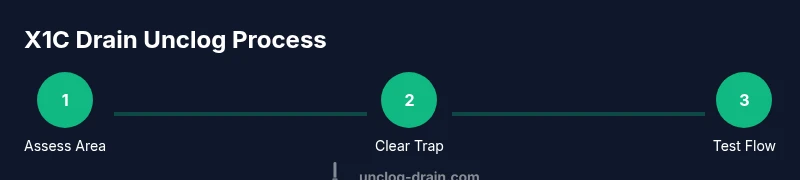
Unclog x1c using a safe, mechanical approach that avoids harsh chemicals. You’ll diagnose the blockage, assemble the right tools, and follow a step-by-step process to clear the X1C drain, reassemble the trap, and test for proper flow. This method emphasizes safety and prevention, drawing on Unclog Drain expertise.
Understanding the X1C drain design and how clogs form
The X1C drain is a compact, common setup found in many kitchens and bathrooms. It typically includes a vertical tailpiece, a curved P-trap, and a horizontal waste arm that leads to the wall drain. Clogs form when debris accumulates where water flow slows down—usually in the trap, the elbow, or the tailpiece. The main culprits are hair, soap scum, grease, coffee grounds, and food particles. Over time, these materials bond with mineral deposits to create a stubborn blockage that resists simple rinsing. Friction from repeated use, improper disposal, or infrequent maintenance accelerates buildup. Recognizing the signs—slow draining, gurgling sounds, and standing water—lets you intervene before a full backup occurs. As you work, remember that prevention is easier than repeated unclogging, so plan a maintenance routine alongside the repair.
Key facts for quick diagnosis:
- Slow drainage across one fixture often points to a localized trap or elbow.
- A backup in multiple fixtures may indicate a main line issue requiring professional assessment.
- Odors can signal organic waste stagnation near the trap or pipe joints.
- Do not overlook the trap; neglect can complicate future clog removal and create leaks.
Diagnosing the clog: signs and safe checks
Slow drainage is not always a single cause; it can be a symptom of a compound blockage or a venting issue. Start by inspecting the most accessible sections: the P-trap under the X1C drain, the vertical tailpiece just above it, and the elbow that leads toward the wall. Before you begin, ensure the area is well lit and dry; safety matters to prevent slips and accidental spills. If water backs up into other fixtures when you run water in the sink, the problem may involve a shared drain line. A quick test with a plunger can help differentiate a local trap clog from a deeper pipe issue. When you use a plunger, seal the cup around the drain, apply firm, controlled pressure, and note whether the water level drops. If progress stalls, a drain snake or auger can address blockages beyond the trap. Also pay attention to strange odors, which may indicate decaying material caught in the trap or pipe—address those smells to prevent mold growth. Always work slowly and methodically to avoid forcing debris farther down the line.
Safety first: assessing the situation before you start
Before you touch any drain components, turn off the water supply if you anticipate lifting pipes or traps. Use gloves with a good grip and eye protection to shield against splashes. Keep a bucket nearby to catch wastewater and a towel to wipe spills. If you have multiple fixtures feeding the same line, check if others are draining slowly as well; a single slow drain is typically a local issue, while several slow drains may indicate a broader obstruction or venting problem. Never mix chemical drain cleaners with mechanical methods, and avoid heat or flame near synthetic piping. If anyone in the household has allergies or chemical sensitivity, opt for safer, non-chemical methods. Finally, ensure you have adequate lighting to see every connection clearly—this reduces the risk of cross-threading or cross-contaminating clean water with dirty waste.
Preparation: workspace setup and tool readiness
A clean, organized workspace speeds up the unclogging process and reduces mistakes. Gather core tools: gloves, a bucket, a flashlight, adjustable pliers, a funnel, a drain snake (auger), and a rag for cleanup. Place a bucket under the P-trap to catch water as you disconnect it. If you plan to remove the trap, have spare washers or a replacement trap on hand in case seals wear out. Clear the surrounding area of fragile items and set up a tray or mat to keep parts organized. Take photos before disassembly so you can reassemble correctly. Label any parts as you remove them to avoid confusion during reassembly. Finally, confirm you have a reliable source of light and a comfortable stance—leverage is essential when loosening stubborn nuts.
Approaches to clearing a clog: mechanical vs enzymatic vs chemical
Mechanical methods—like removing the P-trap, using a drain snake, or probing with a flexible wire—are usually the safest first step for X1C drains. Enzymatic cleaners can help break down organic matter and are gentler on pipes, but they take longer to work and are not a substitute for physical removal in stubborn clogs. Chemical drain cleaners should be avoided in most residential setups, especially for metal traps or sealed joints, as they can corrode pipes and emit hazardous fumes when mixed with other cleaners. For heavy buildup, combining mechanical clearing with a post-clean rinse of hot water can restore flow without harsh chemicals. If a clog persists beyond the trap or is accompanied by sewage odors or backups, stop and seek professional help. Remember, patient, methodical work yields safer, longer-lasting results than brute force.
- Mechanical first, then enzymatic if needed
- Avoid mixing cleaners and never mix chemical products with bleach
- Use hot water to flush after mechanical clearing, not boiling water that can warp plastic parts
Post-cleanup and prevention strategies
After clearing the X1C drain, reassemble the trap and run warm water for several minutes to ensure a smooth flow. Check joints for leaks, and replace any worn washers or seals. Consider a simple maintenance routine: flush with hot water weekly, wipe the trap to prevent buildup, and avoid disposing of grease or coffee grounds down the drain. If hair is a recurring issue, install a strainer basket to capture debris before it enters the trap. Periodically inspect the trap for corrosion or mineral buildup and address any signs of leakage early. For households with hard water, a quarterly cleaning using a mild, non-acidic cleaning routine can help keep metal components in good condition. By keeping the trap clean and the line free of debris, you’ll dramatically reduce the chance of future clogs and the need for frequent interventions.
AUTHORITY SOURCES
-
For safety guidelines and best practices related to household plumbing and working with drains, consult credible sources like government and university resources. These references provide foundational guidance on safe handling, when to call a professional, and how to approach plumbing maintenance in a structured way.
-
Related resources:
-
EPA: https://www.epa.gov
-
OSHA: https://www.osha.gov
-
University extension: https://extension.umn.edu
Tools & Materials
- Rubber gloves (nitrile)(Waterproof, grip-focused)
- Bucket(1-2 gallon capacity to catch water)
- Flashlight(Good lighting for deep access)
- Adjustable pliers(To loosen slip nuts on the P-trap)
- Channel-lock pliers(Extra leverage if nuts are tight)
- Drain snake / auger (6-25 ft)(Choose appropriate length for your pipe run)
- Rag or towels(Clean spills and wipe fittings)
- Replacement washers or trap parts(Only if seals show wear)
- Manual with compatible trap diagram(Helpful for identifying parts)
- Plunger (cup style)(Optional for minor surface clogs)
Steps
Estimated time: 30-60 minutes
- 1
Turn off water and prep area
Stop water supply to the X1C drain if possible and clear the area. Set a bucket underneath the trap to catch any water. Put on gloves and eye protection before handling pipes.
Tip: Having a dry, well-lit workspace reduces slips and mistakes. - 2
Place bucket and inspect the trap
Position the bucket under the P-trap. Use a flashlight to inspect the accessible parts for visible buildup and ensure you can access the slip nuts easily.
Tip: Take photos before disassembly to guide reassembly. - 3
Loosen slip nuts and remove the trap
Loosen the nuts with adjustable pliers and carefully detach the P-trap. Be prepared for a water dump; direct it into the bucket and wipe any residue.
Tip: Handle the trap gently to avoid bending or cracking joints. - 4
Clean the trap and flush the line
Rinse the trap with warm water and remove all debris. If the line remains blocked, insert the snake into the tailpiece or elbow and rotate to dislodge the clog.
Tip: Work slowly; never force the auger into a stubborn bend. - 5
Reassemble and test the drain
Reattach the trap with new washers if needed, tighten securely, and run warm water for several minutes to confirm a clear flow and no leaks.
Tip: Check every joint for moisture after testing. - 6
Prevent future clogs
Install a basket strainer, avoid disposing grease in the sink, and perform routine flushing with hot water. Document any recurring issues so you can address them early.
Tip: A simple weekly rinse can prevent buildup.
Common Questions
What is the X1C drain, and why does it clog?
The X1C drain is a compact waste line setup common in kitchens and bathrooms. Clogs form when hair, grease, and debris accumulate in the trap or elbows, reducing flow. Regular maintenance helps prevent buildup.
The X1C drain is a compact waste line common in homes. Clogs happen when debris collects in the trap or elbows, so cleaning the trap or using a snake usually fixes it. Regular maintenance helps prevent future clogs.
Can I use chemical cleaners on an X1C drain?
Chemical cleaners are generally not recommended for X1C drains because they can damage seals and increase fumes. Mechanical methods are safer and often more effective for stubborn blockages.
Chemical cleaners can damage seals and aren’t ideal for X1C drains. Mechanical methods like a snake are usually safer and more effective.
How long does the unclog process typically take?
A typical mechanical unclogging takes about 30 to 60 minutes, depending on access and the buildup. More stubborn clogs or additional repairs may take longer.
Most unclogging takes about half an hour to an hour, depending on access and buildup. More complex cases may take longer.
When should I call a plumber?
Call a plumber if the clog recurs after repeated attempts, if you notice sewage backup, or if you don’t feel confident disassembling the trap safely. Persistent backups may indicate a main line issue.
Call a plumber if clogs keep returning or you see backup. A persistent issue might mean a larger pipe problem.
Do I need to replace the P-trap after unclogging?
Not always, but inspect the trap for wear or corrosion. If seals look cracked or there is noticeable damage, replacing the trap is prudent to prevent leaks.
You don’t always need to replace it, but check for wear. Replace if seals or corrosion are evident.
Watch Video
Key Points
- Start with mechanical clearing before chemicals
- Inspect and clean the trap first
- Reassemble carefully and test for leaks
- Adopt a simple preventive routine