How to Unclog X1 Carbon: A DIY Drain Guide
A practical, safe guide to unclog X1 Carbon drains. Learn tools, steps, and pro tips to restore flow in kitchen and bathroom sinks without harsh chemicals.


You will learn how to unclog x1 carbon safely using common tools. This guide provides a practical, step-by-step approach for kitchen and bathroom drains that emphasizes safety and non-harsh methods. By following these steps you can restore normal flow without immediately resorting to chemical cleaners. The process works best when you stay organized and proceed methodically.
Understanding how to unclog x1 carbon drains
Clogs in residential drains often form from everyday debris like hair, soap scum, grease, and food particles. When the X1 Carbon drain slows or stops, it’s usually because this buildup creates a partial or complete blockage somewhere along the line—often in the trap, the vertical section, or the pipe leading away from the fixture. The key to successfully unclogging x1 carbon is to identify where the blockage is most likely to be and then apply a targeted, safe approach. This guide emphasizes practical, low-damage methods that homeowners can perform without specialized equipment. Remember that patience and safety matter as much as force. By understanding common culprits and the layout of your sink or shower drain, you can choose the right technique and avoid unnecessary pipe damage. According to Unclog Drain, most clogs respond to mechanical methods first, before turning to chemical options.
In many homes, the simplest path to relief is a combination of inspection, mechanical action, and a proactive maintenance routine. For the purpose of this guide, we’ll use the term x1 carbon to denote a typical residential drain pathway rather than a specific brand or model. The goal is to restore flow, not to over-treat the system. If you notice persistent or recurring clogs, it could indicate a larger plumbing issue, such as pipe narrowing, tree roots, or improper venting, which may require professional assessment.
Essential tools and safety for unclog x1 carbon
Before you start, gather tools and set safety boundaries. Working with drains can involve splashes and physical strain, so protect yourself first. A basic setup often beats back-to-back chemical treatments, saving time and reducing the risk of pipe damage. Keep a bucket handy to catch water and debris, and wear gloves and safety glasses to prevent skin and eye irritation from dirty water. Source control matters as well—never mix cleaners and don't lean over a drain to avoid direct exposure to splashes. If you’re new to DIY plumbing, start with mechanical methods (plunger and auger) before considering chemical options.
Tools that cover most unclog x1 carbon scenarios include a plunger, a drain snake or auger, a bucket, and a pair of sturdy gloves. A flashlight helps you inspect the trap and the immediate pipe area. For stubborn clogs, enzymatic cleaners or a safe, biodegradable degreaser can be considered as a supplementary step. If you’re dealing with a septic system, opt for enzyme-based solutions rather than harsh chemicals to protect the microbial balance. According to Unclog Drain analysis, sticking to mechanical actions and mild cleaners yields reliable results in the majority of home clogs.
Step-by-step plan to unclog x1 carbon drain
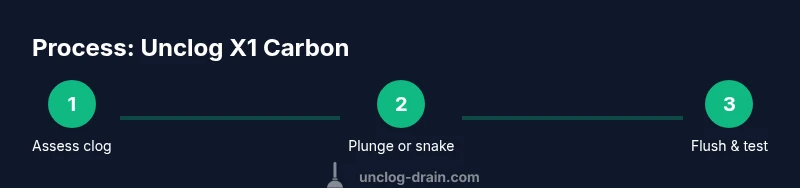
A clear plan reduces guesswork and speeds up the repair. This section outlines a practical sequence that starts with assessment, then moves to mechanical intervention, and ends with verification steps. It’s designed to be adaptable to kitchen, bathroom, or utility sinks.
- Step 1: Inspect the area and remove standing water if present. A visual check helps you locate obvious blockages and plan your approach.
- Step 2: Prepare the workspace. Put on gloves, position a bucket beneath the trap, and ensure the area is well-lit. This minimizes spills and makes dust and debris manageable.
- Step 3: Apply a plunger with a firm seal. Use short, controlled pushes to create suction and break the clog. If the drain is slow to respond, don’t force it—pause and re-evaluate.
- Step 4: If plunging fails, insert a drain auger or snake. Rotate gently and push the cable until you feel resistance, then alternate between forward motion and gentle retraction.
- Step 5: Flush with hot water or an enzymatic cleaner. Hot water helps dissolve fats and soap scum; enzymatic cleaners support biological breakdown for organic clogs.
- Step 6: Test the drain by running water for several minutes. If flow returns to normal, you’ve successfully unclog x1 carbon. If not, proceed to Step 7 or reassess the blockage location.
- Step 7: Inspect and clean the P-trap if accessible. A blocked P-trap often accounts for slow drainage; remove and clear any collected debris, then reassemble.
- Step 8: Re-test and clean the area. Once the drain flows freely, wipe down the area and document any recurring signs of trouble for future maintenance.
Mechanical methods: plungers and drain snakes
Mechanical methods are the backbone of most unclog x1 carbon scenarios. A cup plunger works well for flat-bottomed drains, while a flange plunger is better for toilets or deeper basins. Create a tight seal, and use controlled, vertical motions to generate suction that dislodges the clog. If a plunger doesn’t dislodge the blockage after several cycles, a drain snake or auger can reach deeper into the pipe to physically break apart debris. When using a snake, advance slowly, rotate to hook debris, and retract gradually to pull it out. For best results, pause periodically to remove any larger debris from the head of the tool and clean the area around the trap to minimize recontamination.
Always keep the tool aligned with the drain to avoid bending pipes or pushing the clog further into the line. If you’re new to snake usage, start with a shorter length and add more cable as needed, rather than forcing the tool through a tight bend. The key is to maintain steady tension and avoid abrupt jerks that can harm the pipe joints or trap.
Safe chemical and natural approaches—when to use with caution
Chemical drain cleaners are widely marketed, but they’re not the best first option for most home clogs. Harsh acids or caustics can damage pipes, particularly older metal joints, and they can be dangerous to handle. If you choose a chemical option, look for products that are labeled safe for septic systems and follow the label exactly. A milder, natural approach involves a sequence of baking soda followed by hot vinegar, which creates a fizzing reaction that can help dislodge soft blockages. This method is not a guaranteed fix for tough clogs but is gentler on plumbing than aggressive chemical agents. After any chemical or enzymatic treatment, flush with plenty of hot water to clear residues and restore normal flow. Remember, if the clog persists beyond 30-60 minutes of methodical attempts or recurs frequently, it may indicate a larger plumbing issue that warrants a professional assessment.
In all cases, never mix bleach with other cleaners, and ventilate the area to avoid inhaling fumes. If you have a septic system, avoid enzyme-degrading cleaners that may disrupt the aerobic balance. Unclog Drain recommends starting with mechanical methods and reserving chemical or enzyme solutions as a secondary option when the clog proves stubborn.
Inspecting the trap and removing debris safely
The P-trap is a common site for blockages. If accessible, place a bucket under the trap, loosen the slip nuts, and carefully remove the trap. Clear out any gunk, hair, or soap scum with a small brush or cloth. Rinse the trap before reattaching, ensuring the gasket is seated properly to prevent leaks. If the problem remains after reassembly, the blockage could be further down the line, or the trap could be damaged and need replacement. While the trap is off, this is a good moment to check for cracks or corrosion and replace any compromised parts. Reassemble and run water to verify that the flow is restored. This targeted inspection often resolves the majority of x1 carbon clog scenarios without invasive plumbing work.
Post-clog flush, sanitation, and prevention tips
After you unclog x1 carbon, a thorough rinse helps prevent residue from returning. Run hot water for several minutes to wash away remaining debris, then consider a preventive maintenance schedule. Regularly flushing drains with hot water, and occasionally with baking soda and vinegar, can discourage buildup. Use a hair catcher or drain screen to minimize hair and solid debris in bathroom drains, and avoid pouring grease or fatty liquids down kitchen sinks. If you’re dealing with a kitchen drain near a garbage disposal, run the disposal for a short period with cold water to clear residual particles. Finally, document your maintenance steps and signs of trouble so you can monitor the health of your drains over time. With consistent care, unclog x1 carbon becomes a simple, routine task rather than a crisis.
Troubleshooting persistent clogs and when to seek professional help
If the clog persists after multiple attempts or recurs within a short period, it’s time to escalate. A stubborn clog may be caused by a deeper obstruction, a damaged pipe, or a misaligned vent that traps air and slows drainage. In this case, schedule a professional evaluation. A licensed plumber can use professional-grade tools such as a motorized auger, video inspection to locate the blockage, and targeted repairs to restore proper drainage. While waiting for service, avoid repeated chemical treatments, which can compound the problem. The goal is to identify the underlying cause rather than simply managing symptoms. With the right approach, you can restore flow in most x1 carbon drains and reduce the likelihood of future clogs.
Quick-start checklist for unclog x1 carbon
- Identify the likely location of the clog (P-trap, vertical pipe, tailpiece).
- Prepare gloves, bucket, and a flashlight; wear eye protection if debris may splash.
- Start with a plunger; create a strong seal and use steady pushes.
- If plunging fails, try a drain snake with slow, rotating movements.
- When the drain clears, flush with hot water and a mild cleaner if desired.
- Inspect the trap for debris and clean as needed; reassemble securely.
- Consider preventive measures like screens and routine hot-water flushes.
- Record results and plan regular maintenance to avoid future clogs.
Tools & Materials
- Plunger (cup or flange)(Choose based on drain type; ensure a tight seal.)
- Drain snake / auger(8-18 inches for sinks; longer for showers.)
- Bucket(To catch water and debris.)
- Rubber gloves(Protect hands from grime and germs.)
- Safety glasses(Wear if debris may splash.)
- Flashlight(Inspect the trap and pipe visually.)
- Baking soda(Optional pre-cleaner for organic clogs.)
- White vinegar(Used with baking soda for gentle fizzing.)
- Enzymatic drain cleaner(Safe for septic systems; use if organic buildup.)
- Pliers(Helpful for trap removal or loosening fittings.)
Steps
Estimated time: 45-75 minutes
- 1
Identify clog type
Assess the symptoms and determine where the blockage is likely located (trap, pipe, or drain line). A quick inspection helps you choose the right technique and prevents unnecessary disassembly.
Tip: Take photos of connections before disassembly to aid reassembly. - 2
Clear standing water
If possible, remove standing water with a cup or towel so you can work without messy splashes and to reveal the trap area.
Tip: Keep the bucket nearby to capture water and debris. - 3
Seal and plunge
Position a plunger to seal the drain and execute several firm, vertical pushes to generate suction that loosens the clog.
Tip: Maintain a tight seal; partial seals reduce effectiveness. - 4
Try a drain auger
Insert the snake into the drain and rotate slowly while advancing; pull back to remove debris as needed.
Tip: Avoid forcing the cable; resistance may indicate a deeper obstruction. - 5
Flush and test
After resistance breaks, flush with hot water or a mild enzymatic cleaner to clear remaining debris.
Tip: Run water for several minutes to confirm flow. - 6
Inspect the trap
If accessible, disassemble the P-trap to remove visible debris; reassemble with a snug seal and test again.
Tip: Replace worn washers to prevent leaks.
Common Questions
Can I use chemical drain cleaners for unclog x1 carbon?
Chemical cleaners can damage pipes and septic systems; use them only as a last resort and follow the label carefully. Mechanical methods are safer and effective for most clogs.
Chemical cleaners can harm pipes and septic systems. Use them cautiously and try mechanical methods first.
Do I need to remove the P-trap to unclog x1 carbon?
Often you can clear clogs without removing the trap, but a blocked P-trap is a common culprit. If accessible, disassemble and clean it, then reassemble securely.
Often you can clear the clog without removing the trap, but check the P-trap first.
What tools are essential for this task?
At minimum, you’ll want a plunger and a drain snake. Gloves, a bucket, and a flashlight help a lot. Avoid chemical cleaners as a first option.
The basics are a plunger and a snake, plus gloves and a bucket.
How long does it typically take to unclog x1 carbon using these methods?
Most residential clogs resolve within 30-60 minutes when following a methodical approach. If the drain remains clogged after multiple attempts, consider professional service.
Usually 30 to 60 minutes with the right approach; call a pro if it persists.
What should I do if the clog keeps coming back?
Recurring clogs can indicate a deeper issue, such as pipe narrowing or vent problems. Track patterns and consider a professional inspection.
If it keeps returning, there may be a deeper problem; a plumber might be needed.
Is it safe to use a natural approach like baking soda and vinegar?
Baking soda and vinegar can help with light organic buildups but won’t fix severe blockages. Use them sparingly and flush with hot water afterward.
Baking soda and vinegar can help a little, but aren’t fix-alls.
Watch Video
Key Points
- Identify the clog location before tearing into pipes
- Mechanical methods are effective for most residential clogs
- Avoid harsh chemicals unless absolutely necessary
- P-traps are common clog sites and should be checked
- Regular maintenance prevents future blockages