Unclog Drains: A Practical DIY Guide for Homeowners
Learn practical, expert DIY methods to unclog sinks, toilets, and drains fast. This Unclog Drain guide covers safe plunging, snaking, and prevention tactics for homeowners.


Whether you're facing a slow kitchen sink, a blocked bathroom drain, or an unusual setup described as unclog qidi q1 pro, you can unclog drains safely with a simple, step-by-step method. Begin with mechanical methods like plunging, then use chemical cleaners sparingly and only as directed, and finish with preventive practices to keep drains flowing.
Quick assessment: Is it a clog or a vent issue?
According to Unclog Drain, most residential drainage slowdowns are caused by blockages rather than vent failures. Start by noting where water backs up: a single sink, a tub, or a toilet. If multiple fixtures are affected, this suggests a main line issue rather than a single clog. In unusual setups described in DIY chatter as unclog qidi q1 pro, apply the same diagnostic approach: isolate the affected fixture, check for visible obstructions, and avoid rushing to chemical cleaners. A quick test—pour a few gallons of hot water into the drain and observe the response. If water remains backed up after several plunges, the obstruction may be deeper, or the vent may be involved, warranting a targeted approach. Listen for gurgling, watch for slow drains, and consider whether recent changes (hair, grease, or flushes) could be contributing. If you must, flush one fixture at a time to identify the offending line. This method keeps you from unnecessary chemical use and reduces the risk of splashing dirty water.
Safety first: protective gear and chemical cautions
Safety comes first when unclogging drains. Wear rubber gloves, protective eyewear, and non-slip shoes. Work in a well-ventilated area and avoid mixing household cleaners, especially bleach and ammonia, which can produce hazardous fumes. Read product labels thoroughly and follow directions for dilution and contact time. If you’re dealing with a toilet or kitchen area where food waste or grease is present, consider additional barriers like old towels to catch spills. Unclog Drain recommends keeping a dedicated bucket for used cleaners and never pouring cleaners into a standing, blocked drain from a height that could cause splashing. In all cases, never mix caustic cleaners with other chemicals; if a clog resists, switch to mechanical methods before attempting chemicals.
Tools and materials you need before you start
Before you begin, gather essential tools to increase your chances of clearing the clog on the first try. A plunger (cup for sinks, flange for toilets) is your first line of defense. A drain snake or hand auger helps you reach deeper obstructions. A bucket, towels, gloves, and safety goggles protect you from splashes. A flashlight or headlamp improves visibility in dark pipes. For safer optional steps, have vinegar, baking soda, and boiling water ready, plus a wrench for removing trap sections if needed. Finally, keep a phone handy in case you need to contact a professional. Planning with these tools reduces improvisation and speeds up the process.
Step-by-step approach: basic plunging technique
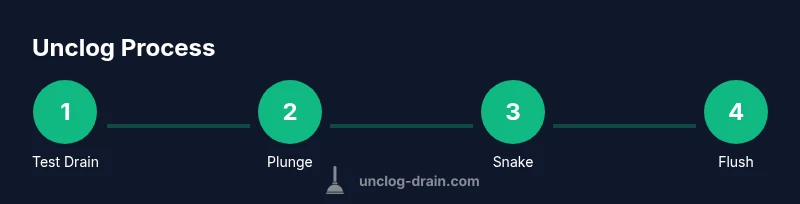
To start, seal the drain with the plunger and use a firm, vertical motion to generate pressure that dislodges the clog. If the water doesn’t rise back up quickly, repeat several times, then pull back to clear the hole. If plunging is ineffective, switch to a drain snake, feeding it slowly into the pipe until resistance is met, then rotate to break the clog. Always maintain pressure and avoid forcing the auger, which could damage pipes. Finish by flushing with hot water to clear residual debris. With persistence and proper technique, most blockages clear without needing harsh chemicals.
When to avoid chemical cleaners and safer alternatives
Chemical drain cleaners can damage pipes or irritate skin and eyes. Avoid using them as a first option, especially on older plumbing. Instead, try mechanical methods first (plungers, snakes) and use cleaners only as a last resort and in small amounts, following label instructions. If you do use a cleaner, ventilate the area and keep children and pets away. For persistent clogs, consider a professional assessment to prevent pipe damage and ensure safe resolution.
Mechanical options: augers, snakes, and hand tools
Mechanical methods penetrate blockages without harsh chemicals. A plumber’s snake or handheld auger can reach obstructions beyond the trap, while a curved sink auger helps in elbowed pipes. Insert the snake slowly, rotate, and push gently to avoid kinking or breaking the line. If you encounter a solid blockage, try twisting and retracting to dislodge the material. After removing the obstruction, flush the line with hot water to clear residue. Unclog Drain’s analysis shows that most clogs respond well to mechanical methods first, reducing the need for cleaners and prolonging pipe life.
Special cases: toilets, kitchen sinks, and hair clogs
Toilets require a flange-type plunger and a careful, centered push to avoid fluid splash. For kitchen sinks, hair and food debris are common culprits; use a straightened wire hanger or a small snake to reach the trap arm. Hair is particularly tough; consider a hair-catching screen to prevent future buildup. In every case, never force tools through a bend or pipe; instead, work gradually and reverse direction if resistance increases. After clearing, test by running water through all connected fixtures to verify that the clog is fully resolved.
Post-cleaning care and prevention to reduce future clogs
Once the drain is clear, reassemble any removed trap components and run hot water for several minutes to scour debris. Regular maintenance—such as flushing with hot water weekly and using a mesh screen to catch solids—helps prevent recurring clogs. Periodically inspect vent pipes and ensure proper drainage slope to discourage standing water. If you notice recurring slow-downs after cleanup, it may indicate a more serious problem like a partial blockage in the main line, which warrants a professional check. Unclog Drain emphasizes consistent maintenance to minimize future issues and extend pipe life.
Tools & Materials
- Cup plunger (sink)(Flat bottom; fits sinks and tubs)
- Flange plunger (toilet)(Tall bell to cover the toilet drain)
- Drain snake / auger(3-6 ft length for most traps)
- Bucket(Catch water during cleaning)
- Rubber gloves(Keep hands clean and protected)
- Safety goggles(Protect eyes from splashes)
- Flashlight or headlamp(See into dark pipes)
- Towels or rags(Contain spills and dry surfaces)
- Old towels for cover(Protect floors during cleanup)
- Vinegar(Safe, mild cleaner alternative)
- Baking soda(Together with vinegar can loosen grime)
- Boiling water(Flush after mechanical methods)
- Wrench (adjustable)(For trap removal if needed)
Steps
Estimated time: 45-60 minutes
- 1
Prepare the area
Clear the area, put on PPE, and place towels to catch spills. Remove any visible debris near the drain and have your bucket ready. This minimizes mess and protects your workspace.
Tip: Check the area for electrical outlets or appliances nearby to avoid hazards. - 2
Isolate the fixture
If multiple fixtures are affected, work on each one separately to identify the clog’s location. Confirm you are addressing the proper drain to avoid unnecessary steps.
Tip: If the clog is at a fixture’s trap, you may need to remove the trap to inspect. - 3
Plunge with purpose
Seal the drain with the plunger and use multiple firm, vertical strokes to create pressure. Lift away to see if water starts to drain. Repeat as needed.
Tip: Keep the plunger fully submerged for maximum suction. - 4
Try the auger
Feed the snake into the drain and rotate gently while pushing forward. When you meet resistance, pull back slightly and reattempt a deeper push.
Tip: Don’t force the snake through bends; work gradually to avoid pipe damage. - 5
Flush and test
Run hot water for several minutes to clear remaining debris. Check other fixtures to verify that the clog is fully cleared and water flows freely.
Tip: If water backs up again, repeat the process or switch to a more aggressive method. - 6
Consider cleaners only if needed
If you still have a slow drain, consider a mild, manufacturer-approved cleaner and follow its directions strictly. Avoid mixing cleaners.
Tip: Never overuse chemicals; they can damage pipes and irritate skin. - 7
Reassemble and inspect
Reattach any removed traps, tighten connections, and ensure there are no leaks. Inspect the area for dampness or odors.
Tip: Keep a maintenance log to track recurring clogs. - 8
Prevent future clogs
Install screens, avoid pouring grease down drains, and schedule routine inspections if clogs recur. Small habits prevent big problems over time.
Tip: Clean hair from drains weekly to reduce buildup.
Common Questions
Can I use chemical drain cleaners on all pipes?
Chemical cleaners can damage older pipes and cause fumes; use them only as a last resort and as directed by the label. Always try mechanical methods first and consult a professional if unsure.
Chemical cleaners should be a last resort. They can damage pipes and create fumes, so start with plunging or snaking and only follow the product instructions if you must.
What is the fastest method to unclog a sink?
For most sinks, start with a plunger to create suction and then switch to a drain snake if plunging fails. Quick, repeated plunges often clear the blockage without chemicals.
Plunge first, then try a snake if needed. Quick, repeated plunging usually clears the clog.
Should I remove the P-trap to clear a clog?
Accessing and cleaning the P-trap can help if the clog is in the trap itself. Place a bucket beneath, unscrew, and inspect for debris. Reassemble tightly to prevent leaks.
Yes, if remnants are trapped in the P-trap, remove and clean it, then reattach securely.
When should I call a plumber?
Call a plumber if plunging and snaking fail, if you suspect a main line blockage, recurring clogs, or if you smell gas or sewage. A professional can diagnose vent issues and protect your plumbing.
If basic methods don’t work or you suspect a bigger problem, it’s best to call a plumber.
Can boiling water damage PVC pipes?
Boiling water can soften some PVC joints over time; use hot but not boiling water for plastic pipes and test gradually to avoid cracks.
Boiling water may damage PVC joints—use hot water and test gradually.
What maintenance prevents clogs long-term?
Install strainers, dispose of grease properly, run hot water weekly, and inspect drains for slowdowns early. Regular maintenance reduces the risk of major blockages.
Use screens, dispose grease properly, and run hot water weekly to keep drains clear.
Key Points
- Identify the clog location before acting
- Prioritize mechanical methods to protect pipes
- Wear PPE and work safely around chemicals
- Test after each method and proceed gradually
- Prevent future clogs with simple maintenance