How to Unclog Unicorn Nozzle: A DIY Guide
Learn to safely unclog a unicorn nozzle using mechanical methods. This Unclog Drain guide covers essential tools, steps, and prevention tips for DIY homeowners dealing with unusual drain components.


Goal: You will unclog a unicorn nozzle—an uncommon drain component—using safe mechanical methods. Key requirements: a plunger, a toilet auger, protective gloves, and a clear workspace. By following this guide from Unclog Drain, you’ll diagnose the clog, apply the right technique, and avoid chemical drain cleaners where possible. This quick-answer version outlines the essential steps and safety notes for a DIY fix.
What is a unicorn nozzle and why it clogs
A unicorn nozzle is an uncommon drain component found in some specialty fixtures and appliances. It’s designed to regulate flow and direct waste toward the main drain, but it can become blocked by hair, soap scum, mineral buildup, or foreign objects. When a unicorn nozzle clogs, you may notice slow drainage, gurgling sounds, or water backing up into adjacent fixtures. Understanding its purpose helps you choose the right approach: most blockages respond to mechanical methods rather than chemical cleaners. If you’re a homeowner, approaching the job with a clear plan minimizes damage to pipes and reduces the need for professional intervention. This guide from Unclog Drain outlines practical, safe steps for a DIY unclog that preserves the nozzle’s integrity.
Safety and prep before you begin
Before you touch the nozzle, gather your safety gear and prepare the work area. Wear protective gloves and eye protection to guard against splashes. Clear the area of small objects, place towels to catch spills, and have a bucket handy for any saved water. Good lighting helps you spot the nozzle more easily, and a flashlight can reveal hair and mineral clogs inside bends. If the fixture is near a gas line or electrical outlet, isolate power or water supply as appropriate. A clean workspace reduces the chance of losing small parts and makes the repair faster and safer. Always test the area after each technique to ensure you’re making progress without creating new leaks.
Diagnostic approach: identify the type of clog
Start by running water to observe the flow; if water sits or backs up evenly, the clog is likely in the unicorn nozzle assembly or P-trap. Listen for bubbling or traffic-like noises that hint at a partial blockage downstream. Gently remove any accessible covers to inspect for visible debris. If you can safely access a P-trap or trap arm, check for buildup that could inform your approach. Document what you see and feel, but don’t force any components—stubborn resistance often signals a need for a different method or tool. The goal is to localize the clog without damaging seals or fittings.
Mechanical methods: plunger, auger, and improvised tools
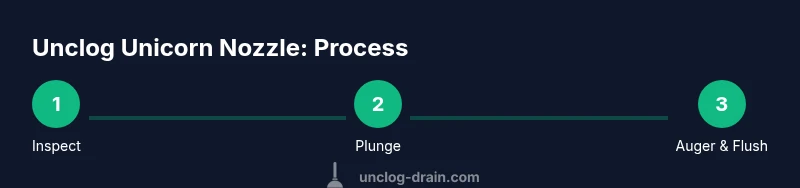
Mechanical methods are the first line of defense for unicorn nozzle clogs. Start with a standard plunger, ensuring a good seal around the nozzle opening and a steady, controlled push-pull motion. If plunging doesn’t clear the blockage, switch to a toilet auger or a narrow drain snake designed for tight spaces. Feed the auger slowly, rotating it to break up the blockage rather than forcing it through. Avoid aggressive twisting that could scratch metal or plastic surfaces. In some cases, improvised tools, like a flexible wire or a small hand-drill bit, can dislodge hair or fibers, but only if used carefully and away from critical seals. After each attempt, flush with warm water to test progress.
DIY tricks: improvised tools and techniques
If professional tools aren’t available, some DIY tricks can help loosen light blockages. A funnel or squeeze bottle filled with hot water and a small amount of dish soap can push debris through the nozzle. A vinegar-baking-soda combo may aid in loosening mineral buildup, but avoid mixing acidic cleaners with metal parts or seal lubricants. Always start with the least aggressive method and stop if you notice any leaks or damage. Remember, the aim is to restore flow without compromising the nozzle, pipes, or surrounding fixtures. If any step causes unusual resistance or overflow, pause and reassess rather than forcing the component.
Chemical considerations and why to avoid harsh cleaners
Chemical drain cleaners are rarely ideal for unicorn nozzle systems. They can corrode seals, degrade gaskets, and create dangerous fumes in tight spaces. For this reason, the recommended approach favors mechanical clearing first, with heat-and-flush techniques as a last resort in a controlled environment. If you must use chemicals, choose milder, user-friendly products and follow the manufacturer’s instructions to minimize risk. Never mix cleaners, and always ventilate the area. If you’re unsure about compatibility with the nozzle materials, consult the device’s service guide or contact a professional.
Maintenance and prevention to avoid repeats
Preventing future clogs is easier than removing them. Regularly flush the system with hot water, especially after heavy usage of soaps and oils. Use a drain screen to catch hair and debris before it enters the unicorn nozzle. Periodically inspect exposed seals for signs of wear and replace them as needed. A short, monthly routine involving a quick check of the nozzle and nearby piping can catch problems early. Keep a small toolkit handy for quick fixes, and document any recurring issues to help you decide when a pro might be necessary.
When to call a professional
If your nozzle remains clogged despite multiple mechanical attempts, or if you notice persistent leaks, corrosion, or unusual odors, it’s time to seek professional help. A licensed plumber can diagnose issues deeper in the system, test for line blockages, and safely service the nozzle without risking damage to valves or seals. Early escalation often saves time and reduces the chance of water damage. For homeowners, professional support may also provide long-term maintenance guidance tailored to your fixtures and local water conditions.
Troubleshooting common issues
Even with careful work, you may encounter common hiccups. Slow drainage could mean partial downstream blockage; ensure the P-trap is clean and properly sealed. If plunging creates a loud pop or backflow, stop and re-check all connections for proper seating and fit. A stubborn clog that reappears after flushing suggests mineral buildup or deeper line issues that require more advanced tools. Keep notes on what method worked, which tools you used, and the results so you can repeat successful steps in the future.
Tools & Materials
- gloves(Nitrile or latex, wrist-length or longer for splash protection)
- safety goggles(ANSI-rated eye protection)
- plunger(Flat or flange plunger for best seal)
- toilet auger or mini drain snake(Flexible shaft, ~3-6 ft length for tight spaces)
- bucket or tray(Catch water and keep area clean)
- towels or rags(Contain spills and odors)
- flashlight(Inspect inside nozzle and bends)
- sealing thread tape (PTFE)(Optional for resealing any loose connections)
- cleaning cloths(Wipe surfaces after finishing)
Steps
Estimated time: 45-60 minutes
- 1
Inspect area and identify nozzle access
Begin by locating the unicorn nozzle and any accessible caps or covers. Remove debris around the opening with a gloved hand or a soft brush. This helps you determine what tools you’ll need and reduces the risk of pushing debris deeper into the system.
Tip: Take a before-photo for reference and measure water depth to determine clog severity. - 2
Prepare workspace and safety gear
Spread towels, place a bucket, and turn off nearby water supply if needed. Put on gloves and eye protection. A well-lit area reduces the chance of slips and allows you to see the nozzle clearly as you work.
Tip: Keep a second pair of gloves handy in case your primary pair gets dirty. - 3
Seal and plunge the nozzle
Create a tight seal around the nozzle opening with the plunger. Use firm, controlled pressure and short pushes to avoid splashing. If the clog shifts, you’ll observe a change in water level indicating progress.
Tip: Maintain a consistent rhythm rather than sporadic bursts for best results. - 4
Run the auger through the nozzle
Insert the auger slowly, rotating as you feed it to break up the blockage. Do not force the tool; gentle advancement and twisting usually clear hair and soap scum without harming seals.
Tip: Withdraw slowly to prevent re-snagging on debris. - 5
Flush and test the flow
Run warm water to rinse out dislodged material and confirm improvement. Observe for backflow or leaks around seals as a sign that you should re-check fittings.
Tip: Repeat plunging or auger steps if water flow remains weak. - 6
Final check and clean up
Wipe surfaces, reassemble any covers, and test the fixture again. Document what you did and note any parts that may require replacement in the future.
Tip: Dispose of collected debris in a trash bag; never pour it down a different drain.
Common Questions
What is a unicorn nozzle and where is it located in typical plumbing systems?
A unicorn nozzle is a unique drain component designed to manage flow in certain fixtures. It can be located near the main drain or inside specialty appliances. Identifying its position helps you target effective mechanical methods rather than applying generic remedies.
A unicorn nozzle is a special drain piece that guides flow; finding it helps you target the blockage with the right tools.
Are chemical drain cleaners safe to use on unicorn nozzles?
Chemical cleaners are generally not recommended for unicorn nozzles because they can corrode seals and damage parts. Mechanical methods are safer and often more effective for this type of component.
No, chemical cleaners can damage the nozzle and seals; use mechanical methods first.
What if plunging and snaking don’t clear the clog?
If mechanical methods fail after careful attempts, the clog may be deeper or more complex. Stop and reassess, check for deeper line blockages, and consider professional help to avoid pipe damage.
If plunging and snaking don’t work, it might be a deeper issue; it’s time to get a professional opinion.
How long does a typical unicorn nozzle unclog take?
A straightforward mechanical unclog usually takes 30-60 minutes, depending on access to the nozzle and the severity of the blockage. Complex cases may require more time or professional intervention.
Most DIY unclogs take about half an hour to an hour, depending on access and blockage size.
What maintenance helps prevent future unicorn nozzle clogs?
Regular flushing with warm water, use of drain screens, and periodic inspection of seals help prevent clogs. Limiting oil and coffee grounds from entering the drain also reduces buildup near the nozzle.
Keep drains flowing smoothly by flushing regularly and using screens to catch debris.
When should I call a professional?
Call a professional if the clog recurs after multiple DIY attempts, if you notice leaks, or if you’re unsure about safe tool use. A licensed plumber can diagnose deeper issues and prevent damage.
If it keeps clogging or leaks appear, it’s best to hire a plumber.
Watch Video
Key Points
- Use mechanical methods first to protect nozzle materials
- Keep the workspace dry and well-lit for safety
- Inspect P-trap and seals as part of every check
- Avoid harsh chemical cleaners near unicorn nozzle components
- Document steps and outcomes for future DIY maintenance