Unclog Adventurer 5m Nozzle: A Step-by-Step DIY Guide
Learn how to safely unclog drains with the 5m Adventurer nozzle. This educational guide covers prep, usage, troubleshooting, and maintenance for homeowners and DIY enthusiasts.


With the unclog adventurer 5m nozzle, you can clear stubborn drains by delivering controlled high-pressure pulses into the line. This quick guide covers setup, safety, and a step-by-step method to minimize splash and pipe damage. Gather a compatible hose, fittings, protective gear, and a clean water source before you begin. Unclog Drain provides practical, field-tested tips for DIY success.
Why the unclog adventurer 5m nozzle shines for stubborn clogs
Deeper access: The unclog adventurer 5m nozzle is designed to reach farther into drains than standard attachments, enabling you to hit clogs that sit beyond the trap or in the main line. The extra length helps minimize the need to dismantle fittings or access panels, which reduces mess and risk of property damage. According to Unclog Drain, the nozzle's flexible yet rugged construction allows you to control the stream with steadier pulses, improving the chance of restoring flow without aggressive tearing apart of pipes. Compatibility matters: Before you attempt anything, verify that the 5m nozzle is compatible with your hose, power source, and the type of pipe you’re dealing with (PVC, copper, or cast iron all respond differently). For most home situations, a smooth interior path and a tight seal on the connections are essential to avoid leaks and loss of pressure. The longer nozzle can also be paired with adapters to fit standard drain stoppers, making it more versatile for kitchens, bathrooms, and laundry areas. Always inspect the area for signs of corrosion or underlying problems such as tree roots or collapsed sections, which require more than a nozzle can provide.
Safety and prep considerations
Safety first is non-negotiable when using high-pressure nozzles. Always disconnect the power to any nearby pumps or washing machines and shut off the water supply to the affected drain if possible to avoid backflow. Wear eye protection, cut-resistant gloves, and hearing protection if you’re using a loud unit. Clear the area of pets and children, place towels or a tray to catch splashes, and have a bucket ready for any accidental spills. Check the 5m nozzle and hoses for wear, cracks, or kinks before starting; a compromised hose can fail under pressure and cause injuries. Verify venting and drainage paths to avoid sending water or debris toward occupied spaces. If you detect gas lines or electrical wiring near the work zone, reconsider the approach or consult a professional. The keyword "unclog adventurer 5m nozzle" is most effective when used with deliberate, controlled steps—never rush a high-pressure operation.
Selecting nozzle settings and attachments
Understanding how the 5m nozzle behaves helps you tailor its performance to the clog. Start with the lowest effective setting and increase gradually only if needed. If your setup includes rotating jets, you can use them to scour the pipe interior more evenly; fixed jets tend to push debris in a straight line. Attachments like adapters or mounting collars improve seal integrity and reduce leaks during forward movement. Be mindful of pipe material: PVC can be sensitive to high-velocity jets, while metal pipes tolerate higher stresses when used with a properly rated nozzle. Always refer to the nozzle’s manual for recommended configurations and avoid mixing incompatible fittings. The goal is to maintain steady pressure while preventing water hammer that could loosen joints. A well-chosen combination means the unclog adventurer 5m nozzle works precisely where you need it without creating new leaks or damage.
Setup basics: hose, connections, and securing the drain
Before starting, confirm the drain area is accessible and all connections are clean. Clamp or strap hoses to stable fixtures to prevent tugging during operation, and ensure there’s a clear path for water to exit without pooling. Attach the 5m nozzle firmly to the hose, then use appropriate adapters to achieve a snug fit at the drain opening. Apply sealant only if recommended by the nozzle manufacturer; excessive sealant can bind the interior and trap debris. Inspect the trap and immediate piping—if joints are loose, resolve those issues before applying pressure. Once the system is sealed, prime the line with a small amount of water to eliminate air pockets, which can create erratic nozzle behavior. The aim is a predictable, controlled flow that moves debris out rather than splashing back.
Step-by-step guide to using the 5m nozzle
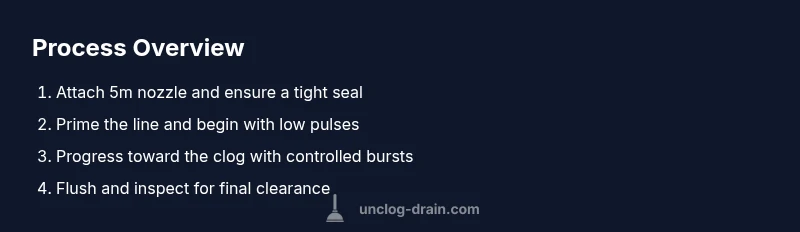
Set up the nozzle and hose with secure fittings, then verify there are no kinks and all connections are tight. Slowly introduce water to prime the line, then engage the nozzle and apply short, controlled bursts toward the clog. If you sense resistance or see backflow, ease off and reassess the seal, position, and water source. Advance the nozzle gradually along the drain toward the clog, keeping a steady pace and monitoring for improved flow. After several pulses, flush the line with a generous flow of water to clear loosened debris. Inspect the trap and outlet for residual material and repeat if necessary, but avoid excessive cycles that could over-stress pipe joints. When finished, disconnect carefully, clean the nozzle, and run clean water through the system to prevent residue buildup. The versatile 5m length helps reach stubborn blockages without dismantling the plumbing, but patience and precision are essential to successful results.
Troubleshooting common issues during operation
If you notice persistent backflow, recheck seals and ensure the nozzle is fully seated. Leaks can occur at adapters or fittings; reseat and retrace your steps to locate the source. Irregular nozzle motion may indicate air pockets—pause, vent the line, and re-prime. If flow remains poor, consider adjusting the nozzle angle or position slightly, but avoid forcing the nozzle through a hard obstruction that can damage pipes. Debris can become lodged around the trap; in such cases use smaller pulses and slowly withdraw to prevent jamming the nozzle. If you detect unusual noises, immediately halt and inspect for damage or misalignment. Always have a backup plan, including a drain snake or plunger, in case the nozzle cannot clear the clog.
Post-cleanup and maintenance for longevity
Flush the system with clear water to remove loosened debris and ensure the line is fully clear. Clean the nozzle and hose ends thoroughly, wiping down fittings to prevent corrosion, and dry everything before storage. Inspect the entire run for signs of wear, cracks, or leaks; replace damaged parts promptly to maintain performance. Store the nozzle in a dry, cool place away from direct sunlight and avoid heavy kinks that could compromise flexibility. Regular maintenance extends the life of your 5m nozzle and reduces the frequency of major clearings. Keeping a simple log of clogs, tools used, and outcomes can guide future DIY projects and prevent duplicates of problematic setups. When properly cared for, the unclog adventurer 5m nozzle remains a reliable part of your DIY toolbox.
Alternatives and when to escalate to a pro
For persistent clogs that resist nozzle treatment, consider traditional methods such as a hand auger or professional rooter service. Chemical cleaners can be risky and may damage pipes if misused, so consult local guidelines before attempting them. If multiple fixtures in a home are affected, the problem may be a main sewer line, which requires specialized equipment and expertise. In such cases, a licensed plumber can diagnose issues like tree roots, collapsed piping, or severe buildup beyond the reach of consumer-grade nozzles. The decision to escalate depends on the clog's location, age of the plumbing, and the potential for costly damage. The Unclog Drain approach supports DIY efforts for common blockages, but safety and sound judgment should guide every step when dealing with complex or recurring issues.
Preventative maintenance to reduce future clogs
Establish a routine to monitor drains for slow flow and unusual odors, and address minor clogs early before they become severe. Use strainers in sinks and showers to catch hair, food particles, and grease, and flush drains with hot water on a regular schedule. Avoid pouring grease, oils, coffee grounds, or fibrous foods down the drain, as these items contribute to buildup over time. Periodically inspect traps, seals, and vent pipes for signs of wear. If you regularly encounter clogs, reassess the home’s plumbing design and consider a preventative maintenance plan that includes annual checks and a more robust cleaning regime. The combination of proactive care and smart tool use, including the 5m nozzle when appropriate, reduces the frequency and severity of blockages.
Real-world scenarios and decision guide
In kitchens with long run traps, the unclog adventurer 5m nozzle can often clear grease and stuck food residue that accumulate behind p-traps. Bathrooms frequently experience hair and soap scum buildup; using the nozzle with care can restore flow without removing fixtures. Laundry rooms might present lint and mineral deposits; a measured approach helps prevent splashing and damage. In older homes with metal pipes, corrosion and joint wear increase the risk during high-pressure usage, so test on an inconspicuous section first and consult a professional if in doubt. This practical approach—assessing pipe materials, controlling pressure, and using the right nozzle for the job—keeps DIY drain work safe and effective.
Tools & Materials
- 5m nozzle attachment(Ensure compatibility with your hose and power source)
- high-pressure hose with appropriate fittings(Check for cracks and secure fittings to prevent leaks)
- protective gloves, eye protection, hearing protection( PPE to shield from water, debris, and noise)
- bucket, towels, and rags(Contain spills and clean up splashes)
- shut-off valve or water source control(Allows safe isolation of the drain during setup)
- drain adapters and sealant (optional)(Use only if recommended by the nozzle manufacturer)
- drain snake or auger (backup tool)(Helpful if the nozzle cannot clear the clog)
Steps
Estimated time: Total time: 45-75 minutes
- 1
Prepare the workspace and safety gear
Clear the area, wear PPE, and confirm water supply controls. This reduces splash and ensures you can respond quickly if water or debris backs up. Check hoses for wear and ensure the nozzle is clean before connecting.
Tip: Always test the fit of adapters before applying pressure to avoid leaks. - 2
Attach the 5m nozzle and secure fittings
Connect the nozzle to the hose with the correct adapters and tighten firmly. A secure seal prevents backflow and ensures consistent pressure during operation.
Tip: Use thread seal tape only if recommended by the manufacturer. - 3
Prime the line and check for leaks
Turn on the water slowly to prime the line and observe for drips. Pause if you see seepage and reseal before proceeding.
Tip: Primer helps eliminate air pockets that can hinder nozzle performance. - 4
Insert and begin with low pressure
Gently insert the nozzle toward the drain and start with a light pulse to confirm alignment and seal. Avoid aggressive bursts at the start.
Tip: Initiate from the closest accessible point and work toward the clog. - 5
Increase pressure in controlled bursts
Gradually increase pulse intensity while observing flow improvement. If flow returns, proceed to flush with a steady stream to clear loosened debris.
Tip: Do not exceed the nozzle’s recommended number of pulses without re-evaluating seals. - 6
Withdraw, flush, and inspect
Slowly retract the nozzle while running water to push debris out and prevent re-deposition. Flush the drain to confirm clearance and check for leaks at the end.
Tip: Keep the nozzle moving to prevent debris from tangling around the outlet. - 7
Disassemble and clean components
Disconnect the nozzle and hose, then rinse with clean water. Dry and store components to prevent corrosion or mold growth.
Tip: Record any issues observed for future reference.
Common Questions
What is the best use case for the 5m nozzle in unclogging drains?
The 5m nozzle is effective for reaching clogs beyond the trap or main line in residential drains, especially in kitchens and bathrooms. Always verify compatibility with your hose and pipe material before use.
The 5m nozzle shines when clogs sit deep in the drain, behind the trap, or along the main line, provided you check compatibility first.
Can I use this nozzle on toilets?
Yes, with caution. Toilet bowls require careful alignment and lower pressure to avoid damaging seals. Only proceed if the nozzle is designed for toilet applications and you follow the manufacturer’s guidelines.
You can, but be cautious—teamed with the right fittings and careful pressure control, toilets can be treated by this nozzle.
What safety gear should I wear during operation?
Wear eye protection, cut-resistant gloves, and hearing protection if the equipment is loud. Keep pets and children away, and have towels ready for spills.
Protect your eyes and hands, keep others away, and be prepared for splashes.
What signs indicate I should stop and call a pro?
If you notice persistent leaks, backflow, frequent clogs across multiple fixtures, or suspected main sewer issues, consult a licensed plumber rather than forcing the nozzle.
If leaks persist or clogs recur across fixtures, it's time to call a pro.
What maintenance helps prevent future clogs after using the nozzle?
Clean and dry the nozzle after use, inspect hoses and fittings, and consider routine drain maintenance like using strainers and periodic flushing with clean water.
Clean the equipment after use and maintain your drains with simple habits.
Watch Video
Key Points
- Identify the clog location and confirm nozzle compatibility.
- Prioritize safety and controlled pressure for metal and plastic pipes.
- Follow a stepwise approach: prep, seal, prime, pulse, flush, and inspect.
- Know when to switch to backup tools or call a pro.