Unclog Spray Can Nozzle: A Practical DIY Guide
Learn safe, effective methods to unclog a spray can nozzle used for drain cleaners. This practical guide covers quick fixes, safety tips, and a detailed step-by-step routine from Unclog Drain.


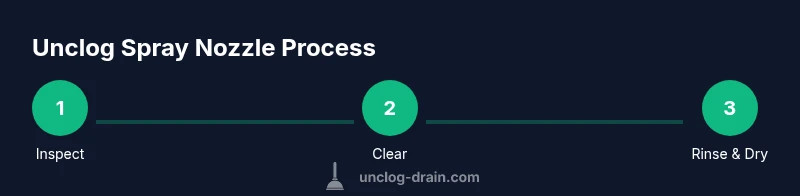
Unclog spray can nozzle by removing the spray head, clearing the opening with a thin pin, rinsing with warm water, and soaking briefly in a mild vinegar solution if needed. Dry completely before reattaching and test the spray. Regular cleaning prevents future clogs and maintains consistent performance.
Why the nozzle clog matters for drain work
A clogged nozzle can derail drain-cleaning efforts, leading to uneven spray, wasted product, and reduced pressure that fails to reach stubborn clogs. For homeowners performing routine drain maintenance, a reliable nozzle is essential. The phrase unclog spray can nozzle describes restoring optimal flow so cleaning agents are delivered precisely where needed. According to Unclog Drain, nozzle reliability translates directly into faster fixes and less chemical waste. When you encounter a spray-can system with a clogged nozzle, resolving the issue quickly preserves the effectiveness of your DIY tools and keeps your project moving. A well-maintained nozzle also minimizes splashback and overspray, which keeps your work area cleaner and safer. Regular inspection helps you catch small problems before they become full clogs, saving time and money in the long run. Adopting a simple, repeatable nozzle care routine makes drain maintenance more predictable and less stressful, especially for DIY enthusiasts tackling clogged drains on their own.
Common causes of nozzle clogs
Nozzles clog for several reasons: dried residues from detergents, mineral buildup from hard water, accidental mixing with incompatible cleaners, and exposure to extreme temperatures. The term unclog spray can nozzle is often used when a stubborn blockage prevents the spray from forming a clean jet. Regular use without a quick flush after each job allows residues to harden inside the orifice, creating a friction trap that hinders spray. In many cases, simple maintenance resolves the issue, but stubborn blockages may require a deeper rinse or soak. Hard water minerals can stick to plastic or metal parts, while certain solvents leave a gummy film that traps particles. Another common culprit is stored chemicals in a partially used can, which can settle and clog the nozzle over time. Recognizing these causes helps you choose the right cure—ranging from a gentle rinse to a controlled soak.
Tools and materials you’ll want on hand
Before you start, gather a few simple tools. A fine pin or stiff needle is essential to clear the orifice without damaging the nozzle. Warm water helps dissolve residues more effectively than cold water. A small bowl for soaking and a clean cloth for drying are handy. For stubborn deposits, a mild vinegar solution (one part vinegar to three parts water) can soften residues. Wear gloves and eye protection when handling cleaners, and work in a well-ventilated area. Keeping everything organized, with the can upright and secure, reduces the risk of spills and accidents. Having a dedicated cleaning surface and disposable towels on hand will keep your work area clean and safe while you tackle the unclog spray can nozzle.
Safety and workspace setup
Drain-cleaning sprays can contain potent chemicals. Work in a ventilated area and wear eye protection. Keep the can upright, away from heat sources, and never puncture or warm the can. If the nozzle or spray head shows signs of damage, stop and replace the can. When you start, place a disposable surface underneath to catch drips and avoid staining surfaces. A clean, organized workspace reduces the chance of losing small parts during the unclog process. Ventilation is especially important if you are using stronger solvents or concentrated cleaners. Avoid storing opened cans near kids or pets. If you feel unsure about any chemical interaction, move to safer, milder products and consult manufacturer guidelines.
How to tackle stubborn clogs without damage
If a simple pin clearing doesn’t free the orifice, switch to a careful soaking method. Remove the spray head and soak the nozzle in warm water or mild vinegar solution for 3–5 minutes. Gently agitate the solution with a toothpick or pin to loosen buildup. Rinse thoroughly and dry before reassembling. Avoid harsh solvents or metal tools that could scratch or nick the nozzle, which would worsen the problem. For more stubborn deposits, repeating the soak and rinse cycle can gradually soften the residue without compromising the integrity of the nozzle. If you notice pitting or cracking, discontinue use and replace the spray head or can. Always test the spray on a disposable surface before applying to a drain task.
Prevention: keep future clogs at bay
To prevent future issues, rinse the nozzle after each use with warm water and dry it before storage. Store cans in a cool, dry place away from direct sunlight to minimize pressure fluctuations. Regular quick flushes with water after use can prevent mineral and chemical buildup. If you notice reduced spray range, test the nozzle on a scrap surface and repeat the cleaning steps as needed. Using a protective cap or keeping the spray head clean helps maintain the nozzle’s performance. Document your maintenance routine so you can track what works best for your specific products and storage conditions.
When to replace the nozzle or can
If the nozzle remains clogged after soaking and cleaning, or if the spray head shows cracks or discontinuities in the jet, it is safer to replace the nozzle or the entire can. A damaged nozzle can cause leaks or unpredictable spray patterns, which defeats the purpose of quick, controlled application for DIY drain work. In such cases, disposing of the old can and installing a new one is the best course. If you frequently encounter clogs, consider switching to a product with a more forgiving nozzle design or a different delivery system. Replacing parts proactively reduces downtime and improves overall effectiveness for future drain maintenance tasks.
Tools & Materials
- Fine pin or stiff needle(Thin enough to clear the orifice without widening it)
- Warm water(Avoid boiling; hot water can warp plastic components)
- Small bowl or cup(For soaking the nozzle)
- White vinegar or mild dish-soap solution(Use a mild vinegar solution (1:3 vinegar:water) for a safe soak)
- Soft brush or old toothbrush(Helpful for rinsing exterior threads)
- Cloth or paper towels(Drying and wipe-down after cleaning)
- Gloves and eye protection(Safety first when handling cleaners)
- Tweezers(If pin gets stuck or for handling tiny parts)
- Compressed air can (optional)(Use with caution to blow out remaining debris)
Steps
Estimated time: 20-30 minutes
- 1
Remove the spray head
Twist or pull off the spray head from the can following the manufacturer’s orientation. Inspect the nozzle opening for obvious debris or damage.
Tip: Do not force or twist beyond resistance; damage can occur and void warranties. - 2
Inspect the nozzle opening
Look through the orifice with good light. A clogged appearance or visible residue indicates a blockage that needs clearing.
Tip: Note the exact shape of the orifice to avoid widening it during clearing. - 3
Clear with a pin
Gently insert the pin into the orifice and twist to loosen the blockage. Do not push hard; the goal is to lift debris, not widen the hole.
Tip: Keep movements small and controlled to protect the nozzle. - 4
Rinse and soak if needed
Rinse the nozzle under warm water. If residue persists, soak the nozzle in a mild vinegar solution for 3–5 minutes, then rinse again.
Tip: Use a soft brush to remove stubborn surface residue after soaking. - 5
Dry and reassemble
Dry the nozzle and spray head completely with a cloth before reattaching. Ensure all components are dry to prevent corrosion or corrosion-related leaks.
Tip: Shake the can gently after reassembly to verify consistent spray. - 6
Test spray on a disposable surface
Before using the spray for a drain task, test on parchment or cardboard to confirm a steady, even jet.
Tip: If the spray pattern is irregular, repeat steps 3–5 rather than forcing a fix.
Common Questions
Why does a spray can nozzle clog so easily?
Clogs form from dried chemical residues, mineral buildup from hard water, and occasional improper storage. Regular cleaning helps prevent buildup that blocks the orifice.
Clogs come from dried residues, minerals, and storage issues. Regular cleaning keeps the nozzle clear.
Can I use hot water to unclog the nozzle?
Warm water is effective for dissolving residues; avoid boiling water that could warp plastics or damage the can. If warm water doesn’t help, try a mild vinegar soak.
Warm water helps, but don’t use boiling water. If needed, a mild vinegar soak can assist.
Is vinegar safe to use with all spray cans?
A mild vinegar solution is generally safe for many nozzle types, but avoid mixing with bleach or ammonia. Check manufacturer guidance if available.
A mild vinegar soak is usually safe, but never mix cleaners.
What should I do if the clog returns soon after cleaning?
If clogs recur, review storage conditions, check for repeated residue buildup, and consider a nozzle replacement if the problem persists.
If it keeps clogging, check storage and perhaps replace the nozzle.
Can I reuse the spray head with another can?
Spray heads are usually designed for specific can sizes and chemistry. It’s best to use the correct nozzle for each can to ensure a proper seal and safe operation.
Better to use the correct nozzle for each can to avoid leaks.
How often should I clean the nozzle?
Do a quick rinse after each use and perform a more thorough cleaning monthly if you use drain sprays regularly.
Rinse after each use and clean more deeply about once a month.
Watch Video
Key Points
- Inspect nozzle before use and after cleaning.
- Use a gentle pin technique to avoid widening the orifice.
- Soak residues safely with vinegar solution when needed.
- Dry thoroughly and test spray before resuming work.
- Replace damaged nozzles or cans to maintain safety and performance.