Unplugging a Clogged Toilet: A DIY Guide
Learn unplugging a clogged toilet safely with mechanical tools. This Unclog Drain guide covers essential equipment, a clear step-by-step plan, safety tips, and maintenance to prevent future clogs.


Unplugging a clogged toilet is a safe, practical DIY task you can complete with common tools. You’ll prevent overflows, protect your bathroom, and learn quick, repeatable methods. Gather a plunger, rubber gloves, a bucket, and a toilet auger, then follow a proven step-by-step process. This quick guide from Unclog Drain covers safe techniques, common mistakes to avoid, and when to call a professional.
Understanding the clog and safety considerations
A toilet clog usually happens when toilet tissue, sanitary products, or other non-flushable materials accumulate in the trap or pipe. Most clogs develop gradually, then suddenly block the drain, leading to slow draining or a full bowl fill. For safety, never mix chemical drain cleaners with manual tools; chemicals can splash or damage porcelain and pipes. The safest approach uses mechanical methods—plungers, augers, and deliberate, controlled motions. Before you dive in, turn off the toilet’s water supply and keep kids and pets out of the bathroom. Wearing rubber gloves and using a paper towel barrier will help minimize contact with waste. According to Unclog Drain, a calm, methodical plan increases your odds of success and reduces the risk of a messy spill. If water surges, pause, reassess, and call a plumber if sewage begins backing up.
The goal is to restore a clear path from the bowl to the drain line. Expect multiple attempts, especially for stubborn blockages. Working calmly prevents accidents, and cleaning up thoroughly afterward prevents lingering germs and odors. In practice, you’ll combine plunging, augering, and careful water management to dislodge the obstruction without causing damage. Keeping a log of what you try can help you remember what worked and what didn’t for future preventive steps.
Assessing the situation and prep the bathroom
Start by locating the shut-off valve behind or near the toilet and turning it clockwise until snug. This stops new water from entering the bowl and tank, which reduces overflow risk while you work. Flush the toilet once to empty the tank and reach a lower water level, then remove excess water from the bowl with a sponge or a small towel. Place towels, a bucket, and a sealable bag nearby for quick cleanup and containment. Clear the area of any decorative items or rugs to prevent water damage. If you notice sewage backup at any point, stop immediately and call a professional. This initial prep step helps you stay safe and keeps the workspace manageable while performing unplugging a clogged toilet procedures.
Containment is key: use a plastic sheet or old towels to protect flooring, and keep a dedicated trash bag for debris. After prep, measure the water level in the bowl and note if it rises during attempts. A higher level can indicate a more severe blockage requiring more aggressive clearing. Documenting the behavior of the clog aids in deciding when to escalate to an auger or professional help.
By the end of this stage, you should have a dry, organized workspace and a clear understanding of how much water you can safely manage. This reduces spill risk and gives you confidence to proceed with the actual unclogging steps.
Tools, materials, and setup for unplugging a clogged toilet
You’ll need a few dependable tools to maximize your success without damaging the fixture. The primary tool is a flange plunger, which creates a better seal for toilets than a flat cup plunger. A toilet auger (also called a closet auger) is the second essential tool, designed to reach past the toilet’s u-bend and clear obstructions. Wear rubber gloves for hygiene, and have a bucket and towels on hand for spills. Optional items include a flashlight to inspect the drain, dish soap to lubricate, and a wet-dry vacuum for stubborn water removal. Avoid chemical drain cleaners in toilets, as they can weaken the porcelain and seep into the sewer line. Prepare your work area by laying towels and keeping a trash bag close for discarded clog material.
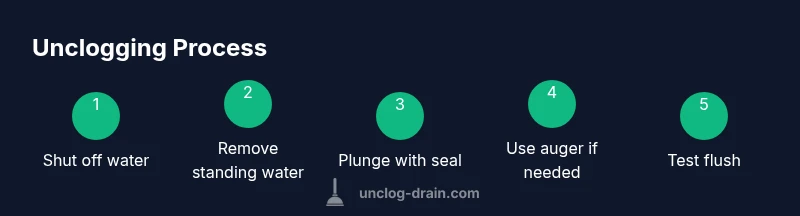
If you have children or pets, consider briefly closing the bathroom door and placing a sign so others don’t interrupt the process. A well-lit, clean surface helps you see blockages clearly and reduces mistakes. Finally, verify you know the correct order of operations: shut off water, remove standing water, then start mechanical clearing with plungers and augers. This organized approach minimizes chaos and increases your chances of a successful unplugging a clogged toilet.
With the proper tools and setup, you’re ready to execute the step-by-step plan and bring the toilet back to normal function.
Step-by-step overview: a practical approach to unplugging a clogged toilet
This section is a concise guide to the actionable steps you’ll perform with the tools listed. The steps are designed to be performed in sequence, but you can pause if you encounter resistance and reassess. The emphasis is on safety, control, and gradual escalation to prevent damage and mess. Throughout, remember to maintain a steady rhythm, avoid forceful jerks, and keep the area clean. Common mistakes include using excessive force, mixing chemicals, or flushing mid-procedure. Following a calm, deliberate routine reduces risk and improves your odds of success. In many homes, a well-executed plunge followed by targeted augering clears most clogs.
The Unclog Drain team recommends documenting what works for your specific toilet model and blockage type. If you encounter persistent blockage after several attempts, consider calling a pro to avoid overflow, sewage exposure, or structural damage. A methodical approach, paired with the right tools, typically yields reliable results without professional intervention.
Preventing future clogs and maintenance habits
Prevention is easier than clearing a stubborn clog. Regularly inspect the toilet to ensure no items other than toilet paper are flushed. Use the toilet as intended and educate household members about what should go down the drain. Avoid flushing wipes, feminine products, or paper towels. Consider a weekly, light maintenance routine that uses a mild enzyme-based cleaner to keep the drain line clear without harsh chemicals. If your household experiences frequent clogs, you may benefit from increasing the flush strength by upgrading the toilet or adjusting water level per manufacturer recommendations. Finally, keep a simple drain-checklist posted in the bathroom with steps like “shut off water before starting,” “test flush after clearing,” and “dry the area after cleaning.”
Unclogging a clogged toilet can be a teachable moment about maintenance—small habits accumulate into big savings on both time and water usage. A proactive approach reduces emergencies and extends the life of your plumbing system.
When to call a professional and what to expect
If the toilet continues to overflow or you notice sewage backing up, stop immediately and call a licensed plumber. Persistent clogs can indicate deeper problems in the drain line, venting issues, or sewer line blockages that require professional equipment. A plumber can perform a camera inspection, use specialized tools, and safely restore full function without risking damage to flooring or the toilet itself. The cost for professional service varies by region and complexity, so it’s wise to obtain a few quotes before proceeding. In most cases, a trained plumber can diagnose quickly and restore normal drainage with minimal disruption. The Unclog Drain team recommends starting with mechanical methods in a controlled setting, but never hesitate to seek professional help for severe clogs or recurring issues.
Quick recap and safety reminders
Unplugging a clogged toilet is a manageable DIY task when you follow a safe, methodical plan using the right tools. Always shut off the water first, monitor the water level, and use a flange plunger or auger to dislodge the blockage. Avoid chemical cleaners, which can damage porcelain and pipes. Clean up thoroughly after you’re done to prevent lingering odors and germs. And remember: if you feel unsure or the blockage returns, consult a professional to protect your home’s plumbing system.
Tools & Materials
- Flange plunger(Use a flange plunger for a better seal in toilets.)
- Toilet auger (closet auger)(Designed for toilets; inserts a flexible snake through the trap.)
- Rubber gloves(Protects hands and keeps things sanitary.)
- Bucket(Catch water as needed during the process.)
- Old towels or rags(Contain spills and protect the floor.)
- Dish soap (optional)(Lubricates the plunger and helps break up light clogs when used sparingly.)
- Flashlight (optional)(Improve visibility under the rim and trap.)
- Wet-dry vacuum (optional)(Can aid water removal if there is standing water.)
Steps
Estimated time: 25-40 minutes
- 1
Shut off water
Locate the shut-off valve behind the toilet and turn it clockwise until snug. This stops new water from entering the tank and bowl while you work. Then flush once to remove as much water as possible from the tank.
Tip: Know where your shut-off valve is before you start—practice locating it so you’re not scrambling during an actual clog. - 2
Remove standing water
Use a sponge or towel to soak up remaining water in the bowl. Wring out towels into the bucket as needed. A drier bowl makes plunging more effective and prevents splashback.
Tip: Keep towels in good condition; replace or rinse frequently to avoid spreading grime. - 3
Seal and plunge
Place the flange plunger over the drain opening, creating a tight seal. Push and pull with controlled force for 15–20 seconds, keeping the seal intact. If water begins to rise, pause and reel back to avoid overflow.
Tip: Maintain a steady rhythm rather than rapid bursts to maximize suction and avoid splashing. - 4
Try the auger
If plunging doesn’t clear the blockage, gently insert the auger into the drain and crank the handle to extend and retract the snake. Avoid forcing it; a slow, deliberate motion reduces the risk of damaging the porcelain.
Tip: Crank slowly and stop if you feel resistance; this means you’ve engaged the blockage rather than pushing on it. - 5
Lubricate and flush again
If the blockage loosens, add a small amount of dish soap and a little warm water to the bowl to help loosen debris, then flush to test.
Tip: Avoid boiling water; hot water can crack porcelain and worsen the problem. - 6
Test flush
Fill the bowl with clean water from the bucket and perform a gentle flush. If the water drains normally, you’ve likely cleared the clog. If not, repeat steps 3–5 once more before stepping up.
Tip: Pause between attempts to prevent overheating or overworking the mechanisms. - 7
Clean workspace
Discard gloves, towels, and any disposable items, then clean the bowl rim and surrounding floor with a disinfectant. Dry the area thoroughly to prevent slipping and keep the bathroom sanitary.
Tip: Sanitize tools after use and store them in a dry place for next time. - 8
Evaluate next steps
If the toilet still won’t drain, or if you notice recurring clogs, consider a deeper examination of the sewer line with a professional. Repeated issues can signal a more serious plumbing problem.
Tip: Document repeated issues for your plumber; note when and how the clog occurs.
Common Questions
Can I use chemical drain cleaners to unclog a toilet?
Chemical drain cleaners are not recommended for toilets because they can damage porcelain and sewer pipes, and their fumes can be hazardous. Mechanical methods are safer and often more effective for toilets.
Avoid chemical cleaners in toilets; use plungers and augers instead. They’re safer for your pipes and you can control the process.
What’s the difference between a cup plunger and a toilet flange plunger?
A toilet flange plunger has a built-in nub that fits into the drain outlet, creating a better seal and more effective suction. A cup plunger works for sinks, but it’s less reliable for toilets.
Use a flange plunger for toilets; it seals the drain better than a cup plunger.
When should I call a plumber instead of DIY?
Call a plumber if there’s sewage backflow, persistent clogs after multiple attempts, or if you’re uncomfortable performing the steps. A professional can assess for deeper sewer line issues.
If you see sewage backflow or the clog returns after several tries, it’s time to bring in a pro.
Is it safe to pour hot water into the toilet to clear a clog?
Warm water can help loosen clogs but never use boiling water, which can crack porcelain. Combine with dish soap for better lubrication but use sparingly.
Warm water only—not boiling—and a little dish soap can help loosen the blockage.
How long should I keep trying before moving to a auger or professional help?
If plunging does not clear the clog after several minutes and a few cycles, move to the auger. If the problem persists after multiple attempts, consider professional assistance.
If plunging doesn’t work after a few minutes, switch to a toilet auger and reassess.
How can I prevent future clogs in the toilet?
Flush only toilet paper and human waste. Avoid wipes, sanitary products, and other debris. Regular small maintenance and a mild enzymatic cleaner can help keep the drain clear.
Keep wipes and non-flushables out of the toilet and consider a light enzymatic cleaner for maintenance.
Key Points
- Shut off water first to prevent overflows.
- Use mechanical methods (plunger, auger) before chemicals.
- Proceed step-by-step and don’t rush the process.
- Test flush after clearing and clean up thoroughly.