Unclog Epson 8550: Step-by-Step Printhead Cleaning Guide
Learn how to safely unclog the Epson 8550 printhead with practical steps, from initial checks to post-cleaning calibration. Includes tools, step-by-step actions, maintenance tips, and expert insights from Unclog Drain.


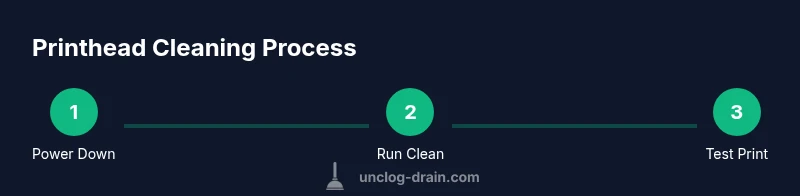
Goal: safely unclog the Epson 8550 printhead and restore reliable nozzle firing. Start with powering down the printer, loading fresh ink, and running a standard printhead cleaning cycle. If needed, perform a gentle deep-clean following safety steps, then verify nozzle alignment and run a test print to confirm restored performance.
Understanding printhead clogs in the Epson 8550
If you’re dealing with streaky prints, missing colors, or white gaps in images, you may be dealing with a clogged printhead. For readers aiming to unclog epson 8550, this guide lays out printer-safe strategies that minimize risk while restoring nozzle performance. The Epson 8550 is designed with protective maintenance routines that you can leverage before resorting to more invasive methods. This article from Unclog Drain emphasizes careful, methodical cleaning rather than brute force. By following the steps you’ll learn how to diagnose whether the issue is a simple clog, a misalignment, or an ink distribution problem, and you’ll avoid common mistakes that can worsen the clog.
Common causes of Epson 8550 clogs
Clogs on the Epson 8550Printhead often arise from prolonged ink downtime, dried pigment in the nozzles, or using incompatible inks. Air bubbles in ink cartridges, incorrect paper types, and a dirty maintenance station can also contribute to inefficient ink flow. Regular nozzle checks help you spot a developing clog early, but avoiding long idle periods and using the printer’s own maintenance cycles keeps clog risks low. According to Unclog Drain, most printhead issues stem from preventable maintenance gaps, not sudden hardware failure. By recognizing these causes, you can tailor a cleaning plan that addresses the root problem rather than just the symptoms.
Safety and prep before cleaning
Safety comes first when handling printer maintenance. Power down the printer and unplug it before starting any cleaning procedure. Wear protective gloves and work on a clean, flat surface to prevent ink transfer. Use only ink-safe cleaners approved for printheads; avoid strong solvents that can damage seals or the dampening system. Keep a log of what you do and the ink type used, so future maintenance steps are consistent. The Unclog Drain team emphasizes gradual, controlled movements and gentle wiping to avoid damaging the delicate printhead components.
Tools and materials you’ll need
Before you begin, assemble your tools and supplies. This includes lint-free swabs, distilled water, a printer-safe cleaning solution, a soft microfiber cloth, small cups or droppers for controlled liquid application, disposable gloves, and a well-lit workspace. Having all items ready reduces the chance of mid-clean interruptions that can lead to mistakes. If you prefer substitutes, use alcohol wipes sparingly and never spray directly into printer openings. Keeping things organized ensures you follow the steps precisely and avoid collateral damage to internal components.
Step 1: Run a standard printhead cleaning cycle
Power on the printer, navigate to the maintenance menu, and run the standard printhead cleaning cycle. This initial pass often dissolves minor clogs by flowing fresh solvent through the nozzles. Avoid repeatedly running cleanings back-to-back; excessive cycles can flood the printhead and waste ink. After the cycle completes, print a small color test page to see whether lines are now continuous. If you notice improvement, you’ve likely resolved a minor blockage and can proceed to a deeper clean if necessary. Pro tip: check ink levels before starting to prevent interruptions mid-clean.
Step 2: Perform a deeper cleaning if needed
If the standard cycle doesn’t fully restore nozzle performance, schedule a deeper clean. Use the printer’s advanced cleaning option, which uses more solvent and longer flush times. This should be done cautiously; give the cleaner time to interact with the clogged nozzles and avoid running it excessively, which wastes ink and could wear the dampers. After the deep clean, run another nozzle check and test print. If the issue persists, move to more targeted, manual methods described in later sections.
Step 3: Gentle manual cleaning with swabs
Manual cleaning can help when a clog is stubborn but not solidly fused. Lightly dampen a lint-free swab with distilled water or a printer-safe cleaning solution. Gently dab, don’t rub, the exterior edges of the printhead and nearby nozzles to lift dried ink. Do not apply liquid directly into the printer’s internal channels. After a few careful passes, run a test pattern to assess improvements. If you see improvement, repeat with minimal pressure only; excessive force can damage the head.
Step 4: Reinsert cartridges and re-test alignment
Once the cleaning passes show promise, reinsert ink cartridges securely and ensure the printer recognizes them. Run the nozzle check again, paying attention to color alignment and uniformity. If colors appear misaligned, perform a calibration or alignment routine as advised by the printer’s manuals. Small alignment shifts can masquerade as clogged nozzles, so confirm that the issue is truly a clog before proceeding to more aggressive methods.
Step 5: Post-cleaning checks and maintenance habits
After you’re satisfied with print quality, perform a final nozzle check and print a full color test page. Document your steps and the results so you can replicate the procedure if a clog recurs. Establish a routine maintenance schedule—e.g., monthly nozzle checks and regular cleanings—to prevent future clogs. Simple habits like using compatible inks and printing a small page every week during idle periods go a long way toward long-term reliability.
When to step back and seek professional help
If clogging persists after multiple cleaned passes or if you notice fluid leakage or unusual printer behavior, stop attempting to clean and seek professional service. Replacing critical parts or performing internal flushes is beyond basic DIY care and may void warranties. In those cases, the Unclog Drain team recommends consulting an authorized service center or the printer manufacturer for guidance. Early professional input can prevent more serious damage and costlier repairs.
Tools & Materials
- Isopropyl alcohol (70% or higher)(Use only to dampen swabs; do not spray directly into the printer)
- Distilled water(For rinsing printhead surfaces with soft swabs)
- Printer-safe cleaning solution(Inkjet-safe; follow manufacturer guidance)
- Lint-free swabs(Soft, non-abrasive material)
- Soft microfiber cloth(For exterior clean and wipe-downs)
- Disposable gloves(Contain ink and protect hands)
- Small cups or droppers(Controlled liquid application)
- Measuring syringe or dropper(Precise liquid handling for stubborn residue)
- Flashlight or magnifier(Improve visibility inside the cartridge area)
- Mild dish soap (optional)(Only if diluted and used sparingly for tough residue)
Steps
Estimated time: 60-90 minutes
- 1
Power down and prep
Turn off the printer and unplug it from the power source to avoid electrical shock. Open the access panel and remove any visible jammed paper carefully. Confirm room is well-lit and the surface is clean before you begin.
Tip: Wait at least 60 seconds after unplugging to ensure capacitors discharge. - 2
Run standard cleaning cycle
Access the maintenance menu and run the standard printhead cleaning cycle. This helps loosen minor clogs without disassembly. Schedule an opportunity to observe results with a small test print after completion.
Tip: Avoid multiple cycles in quick succession to prevent ink waste. - 3
Do a deeper clean if needed
If results are inconclusive, perform a deeper clean using the printer’s advanced cleaning option. This uses more solvent and longer flush times. Always monitor ink levels to prevent mid-clean interruptions.
Tip: Use this step sparingly; repeated deep cleans can stress the printhead. - 4
Gently wipe accessible areas
Dampen a swab with distilled water or cleaning solution and gently wipe the exterior around the printhead. Do not insert liquids into internal channels. Wipe any visible residue from the printer’s surface to prevent recontamination.
Tip: Never rub hard; a light touch is more effective and safer for delicate parts. - 5
Reinstall cartridges and test
Reinsert cartridges, ensure they seat correctly, and start a nozzle check. Look for even color distribution and continuous lines. If alignment issues appear, run the printer’s alignment routine.
Tip: If ink levels were low, prime the nozzles with a single test page before running a full print job. - 6
Post-clean tests and maintenance
Print a color test page; observe for banding or gaps. Log your steps and results for future reference. Set a reminder to perform routine nozzle checks to prevent future clogs.
Tip: Create a simple maintenance routine to maintain reliability.
Common Questions
Can I fix clogs on the Epson 8550 without professional service?
Many clogs can be resolved with built-in cleaning cycles and ink-safe solutions. If the clog persists after several attempts, seek authorized service to avoid potential damage.
Most clogs can be addressed with the printer’s cleaning cycles, but persistent issues may require professional service.
What is the safest cleaning method for the Epson 8550 printhead?
Use the printer’s standard cleaning cycle first, followed by a deeper clean only if needed, and always use ink-safe cleaners. Avoid harsh solvents near the printhead.
Start with the built-in cleaning cycle and stick to ink-safe cleaners.
How often should I perform nozzle checks to prevent clogs?
Run nozzle checks as part of a regular maintenance routine, especially after long idle periods or after replacing ink cartridges. Regular checks help catch clogs early.
Check nozzles regularly, especially after long pauses.
Is it safe to manually scrub the printhead?
No. Avoid aggressive physical scrubbing. Use gentle swabs and let cleaning solutions do the work to prevent damaging delicate components.
Don’t scrub—the printhead is delicate and can be damaged.
What should I do if the printhead remains clogged after cleaning?
Try a deeper cleaning if recommended, but if it persists after multiple attempts, contact support or an authorized service center for guidance.
If it’s still clogged after several cleanings, seek professional advice.
Can incorrect cleaning damage the printer?
Yes. Using wrong liquids or applying excessive force can damage the printhead seals or dampening system. Stick to recommended methods and avoid disassembly unless you’re trained.
Yes, improper chemicals or force can harm the printer.
Watch Video
Key Points
- Identify the clog early with nozzle checks
- Start with manufacturer-approved cleaning cycles
- Avoid aggressive chemical use or physical scrubbing
- Test print after each step to confirm progress
- Establish a regular maintenance routine to prevent future clogs