Wash Basin Blockage Cleaner: Safe DIY Solutions
A practical guide to using a wash basin blockage cleaner safely, choosing enzymatic vs caustic formulas, and applying DIY steps to prevent future clogs.


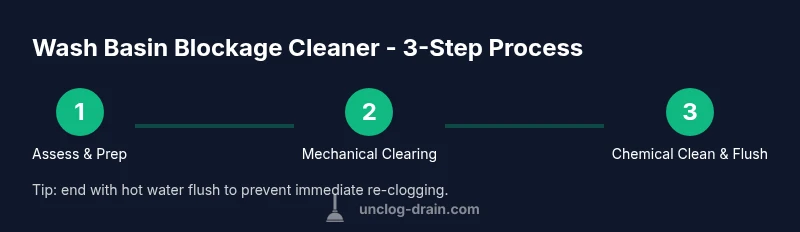
To clear a wash basin blockage effectively, start with mechanical removal (plunger or hand snake) and then apply a suitable cleaner. For organic buildup, enzymatic cleaners work best; for mineral deposits or soap scum, caustic cleaners may be more effective. Always follow the label and rinse with hot water. According to Unclog Drain, safety comes first.
Understanding the clog in a wash basin
A clogged wash basin doesn’t always mean the same thing. Hair, soap scum, and mineral deposits are common culprits in bathroom sinks. The exact composition of the blockage influences which wash basin blockage cleaner will work best and how you should approach the fix. If you suspect a trap or a deeper drain issue, you may need to disassemble components or call a professional. According to Unclog Drain, most household clogs begin with a build-up near the drain mouth, then harden as water sits. Knowing the clog type helps you select the right wash basin blockage cleaner.
Common clog types include organic hair/soap combos, mineral-scale from hard water, and debris from skincare products. For organic buildups, enzymatic solutions are gentle and effective over time, while mineral-scale clogs respond better to products designed to dissolve inorganic deposits. When you encounter a stubborn blockage, avoid forcing cleaners into a closed pipe; instead, apply cleaner in stages, flush with water, and reassess. The goal is to restore steady flow without damaging seals, gaskets, or the P-trap.
Choosing the right wash basin blockage cleaner
Not all cleaners are created equal. Enzymatic cleaners attack organic matter at a microscopic level, reducing buildup without harsh fumes. Caustic or oxidizing formulas tackle more stubborn mineral and soap scum but can be harsher on pipes and septic systems. Before selecting a product, check compatibility with your plumbing (PVC vs metal), septic system, and any warranty considerations. Also consider the drain's exposure to harsh chemicals in kids' bathrooms. The term wash basin blockage cleaner refers to any product designed to dissolve or loosen the material clogging your basin drain. If you have a septic system, choose enzyme-based options or products labeled safe for septic use. Always read the label for contact time, dosage, and safety warnings. In some cases, mechanical methods paired with a cleaner yield the best results. For frequent clogs, a proactive maintenance routine with a wash basin blockage cleaner can reduce future buildup. According to Unclog Drain, start with the least harsh option that can reach the clog and escalate only if needed.
Mechanical first: manual methods before cleaners
Mechanical methods often resolve the majority of minor clogs without chemicals. Start by removing the overflow cover or stopper to access the drain. Use a bucket to catch any water and loosen the trap nuts if you need to access the P-trap. A cup plunger can dislodge surface material, while a small hand drain auger can reach deeper blockages. The goal is to clear the path so the cleaner, if needed, can work more effectively and avoid forcing chemical products into a blocked pipe. Pro tip: clear the trap only if you are comfortable and it won’t void warranties. If you’re unsure, skip ahead to the safe use of a cleaner rather than forcing disassembly.
Using cleaners safely: application steps
Select a wash basin blockage cleaner appropriate for your clog type and plumbing. Read the label for contact times and safety warnings, then apply the cleaner into the drain. If using enzymatic products, allow sufficient dwell time for the enzymes to act before flushing. If using caustic cleaners, ensure good ventilation and never mix with other cleaners. Always follow the recommended dosage and avoid over-application. After the dwell time, flush with hot water to help dissolve residues and rinse the pipe interior. Remember: if the water won’t clear after the suggested dwell time, reconsider the approach.
Rinsing and follow-up to prevent future clogs
A thorough rinse helps prevent quick return of the blockage. Run hot water for several minutes after the cleaner has acted, and check that the water drains smoothly. Inspect the P-trap for any remaining debris and clean it if needed. Consider installing a drain screen to catch hair and large particles in the future, and establish a monthly flushing routine with hot water to keep mineral buildup in check. Consistent maintenance is the best defense against recurring clogs.
When to call a professional
If you notice a persistent clog that won’t clear after multiple attempts, or if you hear gurgling in other drains, it may indicate a deeper sewer or vent issue. Do not force a stubborn blockage with aggressive cleaners, as this can damage pipes or seals. A licensed plumber can assess for pipe damage, sewer line problems, or vent blockages, and perform professional-grade cleaning safely.
Alternatives to chemical cleaners
Natural or mechanical alternatives can be effective for mild clogs. Try pouring hot water down the drain in stages, followed by a small amount of baking soda and vinegar for maintenance (not for severe blockages). Use a drain brush to dislodge buildup at the rim and around the trap. These methods are gentler on pipes and septic systems and can be used in combination with enzymatic cleaners for a balanced approach. Remember to always use cleaners as directed and avoid mixing products.
Preventative maintenance for wash basins
Preventing clogs starts with simple habits: use a drain screen, avoid pouring grease or thick viscous substances down the drain, and clean the trap periodically. A quick monthly routine that includes flushing with hot water and a mild cleaner can keep buildup in check. If you share a bathroom with guests, place a reminder note near the sink to discourage improper disposal of materials like wipes and hair products.
Quick troubleshooting checklist
- Check for standing water after a rinse to gauge drainage speed.
- Ensure the P-trap is intact and clean.
- Confirm you selected the correct cleaner for the clog type.
- Do not mix cleaners; always rinse between products.
- If you’re unsure, consult a professional before proceeding.
Tools & Materials
- Rubber gloves(Latex-free preferred; protects hands)
- Safety glasses(Eye protection for splashes)
- Cup-type plunger(For initial surface clearing)
- Hand drain auger (drain snake)(Reach deeper blockages)
- Bucket(Catch water from the trap)
- Old towel or rags(Protect surfaces and soak spills)
- Adjustable wrench(Optional for trap removal)
- Enzymatic wash basin blockage cleaner(Gentle option for organic buildup)
- Caustic or oxidizing wash basin cleaner(Stronger option for stubborn buildup; use with caution)
Steps
Estimated time: 60-90 minutes
- 1
Prepare and protect
Put on gloves and safety glasses; clear the area; protect nearby surfaces from splashes. This minimizes exposure to cleaning agents and keeps your workspace orderly.
Tip: Have an old towel ready to catch drips. - 2
Access the trap
Carefully remove the P-trap or access the drain to inspect for obvious debris. This exposes the blockage path and reduces the chance of a spill when you work.
Tip: Place a bucket underneath before loosening any nuts. - 3
Clear trapped water
Drain the water from the trap into the bucket so you can see the debris and prevent overflow when you continue.
Tip: Keep debris in a garbage bag for disposal. - 4
Use a plunger
Stand the plunger over the drain and apply firm, consistent pressure to loosen the clog.
Tip: Work in short, controlled bursts rather than constant force. - 5
Insert a drain auger
Insert the hand drain auger into the drain and rotate to break up the clog; pull back any snagged material as you advance.
Tip: Take it slow to avoid bending the auger. - 6
Apply cleaner
Pour or apply a wash basin blockage cleaner according to the product instructions; use the least harsh option first.
Tip: Avoid mixing cleaners; read the label for duration. - 7
Wait and flush
Let the cleaner sit for the recommended contact time, then flush with hot water to clear residues.
Tip: Do not use boiling water if you have PVC pipes. - 8
Test and reassemble
Reassemble the trap, run water, and test drainage. If drainage remains slow, repeat a gentler approach or seek professional help.
Tip: Keep the work area clean and inspect for leaks.
Common Questions
What is the best wash basin blockage cleaner for organic clogs?
Enzymatic cleaners are gentle and effective for organic clogs, but results vary by buildup. Avoid mixing cleaners.
Enzymatic cleaners work well for organic clogs; follow the label and avoid mixing products.
Can I use baking soda and vinegar to clear a wash basin blockage?
Baking soda and vinegar can help mild clogs but are not reliable for stubborn blockages; use them as maintenance only.
Baking soda and vinegar are mild options, but won't fix stubborn clogs.
Is it safe to use chemical drain cleaners in a wash basin?
Chemical cleaners can damage pipes if misused and may harm septic systems; follow label and avoid mixing with other cleaners.
Be careful with chemical cleaners; follow the label and avoid mixing products.
What maintenance helps prevent future clogs?
Use drain screens, regular hot water flushes, and avoid pouring grease or thick substances down the drain.
Install a screen and flush regularly to prevent clogs.
Why won’t a cleaner fix a stubborn clog?
If the clog is mechanical or due to damaged pipes, cleaners won’t fix it; you may need mechanical removal or professional help.
If the clog is mechanical, cleaners won’t fix it; you may need a professional.
When should I call a plumber?
Call a plumber if water backs up into other fixtures, you hear gurgling, or the issue persists after attempts.
Call a plumber if the problem continues after attempts.
Watch Video
Key Points
- Identify clog type early for the right approach.
- Start with mechanical clearing before chemical cleaners.
- Follow label directions precisely to avoid damage.
- Rinse thoroughly to restore flow and prevent re-clogging.
- Prevent future clogs with screens and routine maintenance.