How to Unclog a Wash Basin: A DIY Guide
Learn to unclog a wash basin safely with step-by-step instructions, essential tools, and prevention tips. This Unclog Drain guide covers plunger methods, P-trap inspection, and maintenance to keep bathroom sinks flowing smoothly.


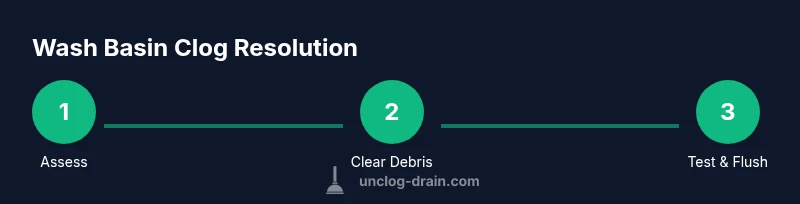
You will unclog wash basin using hands-on steps: assess the clog, clear standing water, use a plunger, and if needed, inspect the P-trap with a drain snake. Gather essential tools first, and work carefully to avoid leaks. According to Unclog Drain and its team, non-chemical methods are effective for most basin clogs.
Why unclog wash basin matters
A well-functioning wash basin is essential for daily tasks like brushing teeth, washing hands, and spot-cleaning small items. A slow drain or standing water can lead to odors, bacterial growth, and messy splashes that damage countertops. Keeping drains clear saves time and reduces the need for emergency plumbing. According to Unclog Drain, addressing clogs early improves drainage health and extends the life of your fixtures. If you want to unclog wash basin quickly, start with safe, non-harsh methods. This guide emphasizes a practical, patient approach that preserves seals and pipes while restoring flow. By following these steps, you’ll build confidence handling routine maintenance and minor repairs without professional help.
Common causes of wash basin clogs
Most bathroom sink clogs arise from routine use. Hair, soap scum, and mineral buildup steadily accumulate, forming a slimy plug that resists simple rinsing. In high-usage bathrooms, toothpaste residue and debris can also contribute. For kitchen sinks, grease or food particles are more common culprits; however, the same mechanical approaches work on many kitchen basins when appropriate. Understanding the root cause helps you pick the right tool and method, which saves time and reduces the risk of damaging seals or trap components.
Safety and planning before you start
Before you dive in, gather your tools and protect the area with towels or rags. Wear gloves and, if you have them, safety glasses to guard against splashes. If your basin has an overflow opening or a basket strainer, note its location—these features can influence how you apply pressure with a plunger or how a snake interacts with the drain. Warm the water slightly if you plan to flush later, and avoid mixing chemicals with other cleaners. A calm, methodical plan reduces mess and keeps your basin and plumbing intact.
DIY vs chemical cleaners: what works and when
Non-chemical methods—mechanical plunging, manual snakes, and gentle flushing—are effective for most bathroom sink clogs and are safer for typical household plumbing. Chemical drain cleaners may remove stubborn blockages quickly, but they can damage seals, pipes, or septic systems and may emit fumes. If you choose to use chemicals, follow the label strictly, ventilate the area, and never mix products. In most cases, a well-executed physical clearing followed by a hot-water flush achieves reliable results with less risk.
Step-by-step diagnosis and prep
Start by inspecting the drain for obvious debris and clear a dry, safe workspace around the sink. Place a bucket under the P-trap to catch water when you open it. If possible, shut off the water supply to this basin to reduce spillage. Identify whether the clog is in the drain itself or deeper in the pipes by looking for water movement when you agitate the drain with a plunger. A quick diagnosis helps you choose the right course of action and minimizes time spent on unnecessary steps.
Step-by-step clearing with a plunger and auger
Begin with a sink-capable plunger, ensuring a good seal around the drain. Plunge with strong, controlled strokes for 15–30 seconds, then check the water flow. If water remains, insert a hand auger/drain snake into the drain and rotate while feeding it forward, pulling out debris gradually. For stubborn clogs, repeat the plunging and snaking sequence a few times, taking care not to force the tool through the pipe joints. Patience and technique matter more than brute force.
Step-by-step disassembling the P-trap and cleaning
Place a bucket under the P-trap and use a wrench to loosen the two nuts. Carefully remove the trap and dump its contents into the bucket. Clean the trap with a brush to remove hair and buildup, then inspect the pipes for remaining blockages. Reassemble the trap, ensuring tight seals but not overtightening. This step often reveals the actual clog if it wasn’t accessible from above and provides a thorough cleaning of the drain path.
Step-by-step flushing and testing
Run hot water through the drain in a steady stream to rinse away loosened debris. If you have safe cleaners like baking soda and vinegar, you can use them in a controlled, small amount and rinse with more hot water. Re-open the water supply and test the basin by letting water run for 15–30 seconds. Watch for any slowdowns or leaks. If drainage remains poor, repeat the mechanical steps or consult a professional.
Maintenance and prevention strategies
To prevent future clogs, install a fine-mesh drain screen and avoid pouring grease or bulky solids down the basin. Regularly flush with hot water, about once a week, and consider a brief baking soda and hot water treatment every month. Clean the P-trap periodically—every 6–12 months depending on usage—and inspect seals and washers for wear. Consistent maintenance reduces the need for aggressive clearing and helps keep drains flowing freely.
Tools & Materials
- Cup sink plunger(Fits bathroom sink drain; ensure a good seal)
- Drain snake / hand auger(3–6 ft length preferred for sinks)
- Bucket(Catch water when removing the P-trap)
- Old towels or rags(Protect surfaces from spills)
- Adjustable wrench(Loosen P-trap nuts safely)
- Pliers(Assist with stubborn fittings)
- Gloves(Keep hands clean and protected)
- Safety glasses(Optional eye protection)
- Flashlight(Inspect dark corners of drain)
- Dish soap (optional)(Lubricates fittings if needed)
- Hot water kettle or pot(Assist flushing with heat)
- Vinegar & baking soda (optional)(Safe alternative cleaners)
Steps
Estimated time: 45-90 minutes
- 1
Prepare the workspace
Clear the area around the basin and lay towels down. Put on gloves and safety glasses if available. Place a bucket under the trap area and have your tools within reach.
Tip: Protect the countertop with a cloth to catch any splashes. - 2
Assess the blockage
Look for standing water and visible debris in the drain. If the clog is severe, move to mechanical methods first before disassembling the trap.
Tip: A quick visual check helps avoid unnecessary disassembly. - 3
Try the plunger
Seal the drain with the plunger and perform 15–30 seconds of firm, vertical plunging. Remove and check water movement; repeat as needed.
Tip: Keep the plunger fully covering the drain for best suction. - 4
Use a drain snake
Insert the snake into the drain and rotate clockwise while applying gentle pressure. Push forward to reach the clog and pull back debris in short pulls.
Tip: Do not force the snake; ease forward to avoid pipe damage. - 5
Inspect and clean the P-trap
Place a bucket beneath the trap, loosen nuts with a wrench, and remove the trap. Clear out hair and buildup with a brush; rinse the trap before reassembly.
Tip: Wear gloves to handle dirty parts safely. - 6
Reassemble and test
Reconnect the P-trap, snug the nuts, and wipe away any excess sealant. Run hot water to test drainage and check for leaks.
Tip: Tighten gradually to avoid leaks at the joints. - 7
Flush the system
Pour hot water slowly into the drain to scour remaining debris. If safe, use a small amount of baking soda followed by boiling water for a gentle flush.
Tip: Never pour boiling water directly into very old PVC joints if uncertain. - 8
Evaluate flow and seals
Observe drainage after multiple uses; ensure no slow leaks appear around the trap and drain connections. If drainage is slow, repeat steps 4–7 or scope deeper.
Tip: A small ongoing issue is easier to address now than later. - 9
Prevent future clogs
Install a fine-mesh screen, avoid dumping grease or solids, and perform monthly maintenance checks. Keep a drain-cleaning schedule to extend drain life.
Tip: Use routine maintenance to prevent major blockages.
Common Questions
What tools do I need to unclog a wash basin?
A plunger, drain snake, bucket, towels, gloves, and a wrench are usually enough. Start with non-chemical methods and progress to the trap if needed.
You’ll need a plunger, a snake, a bucket, towels, gloves, and a wrench. Start with plunging and progress to the trap if necessary.
Can I use chemical drain cleaners in a bathroom sink?
Chemical cleaners can damage seals and septic systems and may emit fumes. Use non-chemical methods first, and follow label instructions if you choose to use them.
Chemical cleaners can harm pipes and seals; use them cautiously or avoid them altogether when possible.
What if water keeps backing up after clearing?
Stop using the sink and check for a deeper main line issue. If backups persist, consider professional assessment to rule out sewer line problems.
If water backs up after clearing, stop using the sink and check for a main line issue. A pro may be needed.
Is it safe to disassemble the P-trap myself?
Yes, with a bucket ready and proper wrench usage. Tighten connections carefully when reassembling and check for leaks afterward.
Yes, you can, but be careful with the nuts and seals to avoid leaks.
How often should I clean a wash basin drain?
Aim for monthly maintenance, plus a quick hot-water flush weekly if usage is heavy. Adjust as needed based on clog frequency.
Clean once a month and flush with hot water weekly if used a lot.
Could a basin clog be due to a blocked main sewer line?
Yes, a blockage in the main sewer line can affect multiple fixtures. Check other drains and consider professional inspection if problems persist.
It could indicate a larger issue; check other drains and call a plumber if needed.
Watch Video
Key Points
- Identify the clog location before disassembly.
- Start with non-chemical methods to protect pipes.
- Disassemble the trap when needed to remove hair buildup.
- Flush and test to confirm success.
- Prevent future clogs with screens and regular maintenance.