Sink Blockage Cleaner: DIY Guide to Quick Unclogging
Learn how to choose and safely use a sink blockage cleaner to clear kitchen sink clogs. This guide covers product types, safety, step-by-step usage, and maintenance to prevent future jams for homeowners and DIY enthusiasts.


By the end of this guide, you will confidently remove a stubborn sink clog using a sink blockage cleaner and safe techniques. You'll learn how to choose the right cleaner (chemical vs enzyme-based), apply it correctly, and flush the drain efficiently while avoiding common mistakes. This process emphasizes safety and practical, home-friendly steps.
Why a dedicated sink blockage cleaner matters
According to Unclog Drain, a sink blockage cleaner is formulated to target kitchen sink clogs without harming pipes when used as directed. Regular home remedies can help with minor buildup, but a dedicated cleaner is designed to break down organic waste, grease, and hair clogs more consistently. This matters because kitchen sinks confront fats, food particles, and detergents that can stick to pipe walls. A purpose-built cleaner should be chosen based on clog type, plumbing material, and trap configuration. For many homeowners, using a product designed for kitchen sinks reduces the risk of pipe damage compared with brute-force methods like repeated plunging or using a drain snake without a plan. In addition, a sink blockage cleaner provides a predictable dwell time and action, helping you schedule the procedure and avoid guesswork.
What types of sink blockage cleaners are there?
There are several categories: chemical cleaners, enzyme-based cleaners, and mechanical adjuncts. Chemical cleaners rely on solvents to dissolve clogs quickly and should be used with ventilation and care around seals. Enzyme-based cleaners use microbes to digest organic matter more gently and are kinder to PVC and metal traps. Mechanical methods (plungers, snakes) can be used in tandem with cleaners but should not substitute a targeted cleaner for a stubborn clog. When choosing, consider clog age, whether a disposer is involved, and pipe material. For many typical kitchen clogs, enzyme-based cleaners can gradually break down buildup and odors; chemical products may act faster but require adherence to labels. Always confirm septic compatibility if you have a septic system.
Safety, compatibility, and environmental considerations
Safety comes first. Wear protective gloves and glasses, and ensure good ventilation when using any sink blockage cleaner. Read the label for compatibility with stainless steel, PVC, or brass traps, and never mix cleaners with other chemicals, especially acids or bleach, as dangerous fumes can form. Store cleaners out of reach of children and pets, and dispose of any waste according to local guidelines. Environmentally conscious users may prefer enzyme-based formulas that minimize harsh chemical discharge and odor. If your sink has a septic system, verify that the product is septic-safe and avoid products that claim to break down fats too aggressively, as it can disrupt balanced microbial activity.
Common mistakes and when to call a plumber
A frequent error is using a product as a quick fix without previously removing standing water or debris. Another mistake is choosing the wrong formula for the clog (e.g., using a heavy-duty chemical cleaner on a metal pipe unless labeled safe). If the clog persists after following the product instructions or you notice slow drainage, foul odors that persist, or a gurgling sound, it’s time to call a plumber. Persistently clogged sinks may indicate deeper drainage issues, a blocked P-trap, or a clogged main line that requires professional equipment and expertise. Early professional assessment can prevent water damage and avoid repeated, ineffective cleaning attempts.
Tools & Materials
- Sink blockage cleaner(Choose enzymatic or chemical formula appropriate for kitchen sinks; read label for safety and septic compatibility.)
- Protective gloves (nitrile)(Chemical resistant; ensure proper fit.)
- Safety glasses(Protect eyes from splashes.)
- Old towels or rags(Catch drips and protect surfaces while waiting.)
- Bucket(Optional for catching flush water.)
Steps
Estimated time: 30-45 minutes
- 1
Read the label and prep
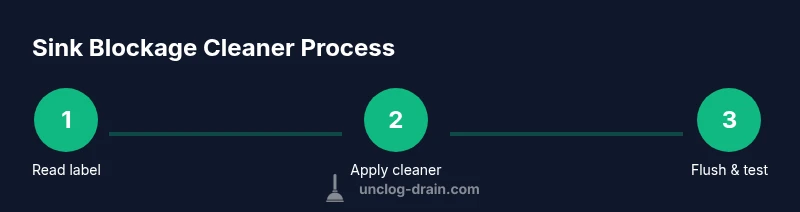
Begin by reading the product instructions in full. Identify the recommended dwell time, the amount to use, and any pipe compatibility warnings. Put on gloves and safety glasses, clear the area under the sink, and have towels ready for spills. This step sets expectations and reduces the chance of overuse or misuse.
Tip: Never mix cleaners with any other chemicals or cleaners. - 2
Protect the area and gather PPE
Lay down towels to protect the cabinet surface and trap any splashes. Ventilate the area by opening a window or turning on an exhaust fan if available. Keeping the work zone organized prevents accidental contact with other household cleaners.
Tip: Ventilation reduces inhalation exposure to fumes. - 3
Apply cleaner at the drain opening
Gently apply the sink blockage cleaner directly into the drain opening or down the U-bend if the product label allows. Pour slowly to avoid splashes and ensure the chemical reaches the clog rather than escaping into the air.
Tip: Pour slowly and steadily to maximize contact with the clog. - 4
Wait the recommended dwell time
Allow the cleaner to sit for the time stated on the label. Do not rush this interval; the active ingredients need time to break down the clog. Avoid adding water or recklessly flushing during this period to preserve effectiveness.
Tip: Setting a timer helps you stay on track with the dwell time. - 5
Rinse and flush
After the dwell time, flush the drain with hot water or as directed by the product. Run water for several minutes to push loosened material through the pipes. If the flow isn’t clear, you can repeat the treatment once more following the same precautions.
Tip: Hot water helps suspend and carry loosened debris away. - 6
Test drainage and cleanup
Run the tap and observe drainage. If the water clears, wipe the area dry and store the cleaner as indicated on the label. If not, reassess the situation; persistent clogs may require mechanical intervention or professional service.
Tip: Document any repeated attempts to inform future maintenance.
Common Questions
What is a sink blockage cleaner and when should I use it?
A sink blockage cleaner is a product formulated to dissolve or break down common kitchen sink clogs. Use it for organic buildup, grease, and hair clogs when mechanical methods alone aren’t enough. Always start with a clean drain and follow the label for recommended usage.
A sink blockage cleaner is a product designed to dissolve clogs in kitchen sinks. Use it when regular plunging isn’t clearing the sink, and always follow the instruction on the label.
Is enzymatic cleaner safe for kitchen sinks?
Enzymatic cleaners are generally gentler on pipes and septic systems, but they work more slowly. They’re a good option for regular maintenance or mild clogs and can reduce odors if used consistently.
Enzymatic cleaners are usually safer for pipes and septic systems and work more slowly, making them good for maintenance and mild clogs.
Can I mix a sink cleaner with other cleaners?
No. Mixing cleaners can create dangerous fumes or chemical reactions. Always use one product at a time and rinse thoroughly between applications if the label allows.
Avoid mixing cleaners. Use one product at a time and rinse as directed.
What should I do if the clog returns after treatment?
If the clog reappears, reassess the trap and pipe condition. Reapply the cleaner only if directed, and consider mechanical methods or professional help for persistent blockages.
If the clog comes back, recheck the pipes and consider calling a plumber if it keeps happening.
How often should I use a sink cleaner to prevent clogs?
Use sparingly as needed for prevention, not as a substitute for regular maintenance. Pair cleaner use with routine drain care like scraping plates and running hot water.
Use it only when needed for prevention and pair with good drain habits.
Watch Video
Key Points
- Choose the right sink-specific cleaner to protect pipes.
- Follow label instructions for dwell time and quantities.
- Flush thoroughly and test the drain before reuse.
- Use PPE and ventilate during the process.
- If clogs persist, escalate to professional help.