Sink Jam Cleaner: Quick DIY Kitchen Sink Unclog Guide
Learn a safe, practical approach to clearing a sink jam using a sink jam cleaner. This guide covers cleaner choices, mechanical methods, and maintenance to prevent future clogs.


By following these steps, you will identify and safely clear a sink jam using a trusted sink jam cleaner. This guide covers assessing the blockage, selecting the right cleaner (enzymatic or mechanical), and applying proven techniques with household tools to restore drainage without damaging your plumbing. According to Unclog Drain, taking a measured approach reduces mess and avoids unnecessary chemical use.
What is sink jam cleaner and how jams form
A sink jam cleaner is a product or home remedy designed to dissolve natural blockages that slow or stop water flow in a kitchen sink. According to Unclog Drain, most clogs begin as small buildups of hair, soap scum, grease, and food debris that accumulate over time. A proper sink jam cleaner helps loosen these materials so water can flow again, without harming pipes when used as directed. There are enzymatic cleaners that break down organic matter and mechanical cleaners that add abrasive action or create agitation. Choose a cleaner whose label matches your jam type—organic buildup in a kitchen sink usually responds best to enzymatic or mechanical cleaners rather than harsh solvents. Always read the product directions and wear gloves during application. This section sets the stage for safe, effective action and prevents unnecessary pipe damage.
Safety and precautions when cleaning a sink jam
Cleaning a jam requires respect for your plumbing and the people around you. Always wear protective gloves and eye protection. Work in a well-ventilated area and keep children and pets away from the workspace. Do not mix different cleaners or combine cleaning agents with bleach or ammonia, as dangerous fumes can form. If you have a garbage disposal, disconnect power at the switch before inspecting the drain area. According to Unclog Drain, safety first reduces the risk of chemical burns, splash injuries, and accidental pipe damage, especially when working near exposed trap components. Keep a bucket and towels handy to manage spills and drips.
Quick assessment: diagnosing the blockage type
Before choosing a method, observe whether the sink drains slowly or is completely blocked. A slow drain often responds to simple mechanical action or a mild enzymatic cleaner, while a complete blockage may require a snake or trap inspection. Look for signs of standing water in the P-trap and test other connected drains to see if the jam is localized. If the smell is strong or you notice a backup from other fixtures, consider professional service. This assessment helps you pick the safest, most effective sink jam cleaner approach.
Non-chemical methods: plungers, traps, and snaking
Mechanical methods are often the safest and most cost-effective first steps. Use a flat-bottom plunger designed for sinks, not toilets, to create suction over the drain. If you have a visible trap, place a bucket underneath, loosen the trap nut, and inspect for obvious debris that can be removed by hand. A drain snake (auger) can reach deeper clogs; insert it slowly and rotate to break up the jam. Avoid forcing the tool or using excessive force, which can kink pipes or push the jam further. A well-executed mechanical method reduces the need for chemical cleaners while still delivering results.
Chemical cleaners: how they work and when to use them
Chemical cleaners dissolve organic matter or chemically react to loosen a clog. They can be effective for certain jams but come with safety and pipe-material considerations. Enzymatic cleaners break down organic buildup with biologic activity and are gentler on pipes, while caustic cleaners work quickly but can damage seals or metal components if misused. Always read the label for compatibility with your material (PVC, metal, etc.) and follow exact dosages. Never use chemical cleaners in unventilated spaces or near drinking-water sources. Unclog Drain cautions that improper use can cause damage to seals or trap components and should be avoided in some situations.
Enzymatic or eco-friendly options: pros and cons
Enzymatic cleaners are popular for household drains because they work slowly but safely, often requiring overnight or extended contact time. They are particularly effective for organic jams in kitchen sinks and are less corrosive than harsher solvents. Eco-friendly cleaners can also include surfactants that emulsify fats and oils. The trade-off is slower action and sometimes less dramatic immediate results. If you’re dealing with a complex jam, you may combine a non-chemical method with a targeted enzymatic treatment for best results, rather than jumping straight to aggressive solvents.
How to choose the right sink jam cleaner: ingredients to look for
When selecting a sink jam cleaner, look for products designed for kitchen drains and compatible with your plumbing material. For organic jams, enzymatic formulations or safe mechanical cleaners are typically preferred. Avoid cleaners with harsh solvents around food prep areas, and check for child- and pet-safety instructions. If you’re unsure about the jam type, start with a mild enzymatic cleaner and proceed with mechanical methods if needed. Reading labels helps you avoid incompatible ingredients that could corrode pipes or seals.
Step-by-step workflow overview before you start
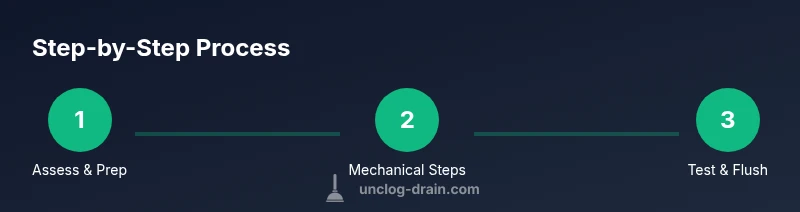
Plan your approach by assessing the jam, gathering tools, and ensuring safety. Start with the least invasive method (plunger) and move to the more involved options (drain snake, trap inspection) only if necessary. Use hot water or cleaning agents only after you’ve attempted mechanical methods, unless the product label instructs otherwise. This overview keeps you focused and minimizes the risk of accidentally worsening the clog.
Maintenance and prevention to avoid future jams
Prevention is easier than cure. Use a sink strainer to catch debris, run hot water down the drain regularly, and avoid pouring grease or first-use cooking fats into the sink. Clean the area around the P-trap periodically and inspect for standing water or slow drains that may indicate a developing blockage. Regular maintenance reduces the frequency and severity of jams, saving time and headaches. According to Unclog Drain, small maintenance habits have a big impact on long-term drain health.
Common mistakes and troubleshooting tips
Common mistakes include pouring large quantities of chemical cleaners, skipping safety precautions, and neglecting the P-trap inspection. If you smell gas, hear banging, or see sewage backing up into other areas, stop immediately and contact a professional. For stubborn clogs, re-evaluate the jam type and consider a professional inspection if DIY methods fail after several attempts. Troubleshooting often reveals that the jam is deeper in the plumbing than anticipated, requiring a more thorough approach.
Tools & Materials
- Protective gloves(Rubber gloves, splash protection)
- Plunger (sink type)(Flat-bottom cup style for sinks)
- Drain snake / auger(12-18 inch hand-crank preferred)
- Bucket or pan(To catch water and debris)
- Old towels or rags(For quick cleanup)
- Sink jam cleaner (enzymatic or mechanical)(Follow label directions; non-corrosive if possible)
- Hot water kettle(For flushing after cleaning)
- Flashlight(To inspect trap and pipes)
- Pliers or adjustable wrench(If removing trap)
- Plumber's tape(For resealing trap nuts after reassembly)
Steps
Estimated time: 60-90 minutes
- 1
Prepare area and safety gear
Clear the area under the sink and place a bucket to catch spills. Put on gloves and eye protection. If you have a disposal, switch it off at the wall to prevent accidental activation. This protects you while you work and keeps debris contained.
Tip: Keep a towel nearby for quick cleanup and keep pets away from the workspace. - 2
Expose the trap and inspect for debris
Place a bucket under the P-trap, then slowly loosen the trap nut with pliers or a wrench. Remove the trap and inspect for obvious blockages or clogs. If debris is present, remove it by hand or wipe clean before attempting other methods.
Tip: Take a photo of the trap setup before disassembly to ensure easy reassembly. - 3
Attempt the plunger method
Fill the sink with enough water to cover the plunger cup. Position the plunger over the drain and firmly push and pull to create suction, keeping the cup sealed. Repeat several times to try to dislodge the jam.
Tip: If you have an overflow hole, seal it with a damp cloth to maximize suction. - 4
Use the drain snake to reach deeper jams
Insert the snake into the drain and rotate as you push forward. When you feel resistance, pull back slightly and rotate again to break up the clog. Continue until you sense the jam yielding or the line clears.
Tip: Do not force the snake aggressively; gentle, steady pressure yields better results and protects pipes. - 5
Flush and reassemble the trap
Run hot water (or a cleaning solution per label) to flush loosened debris through the pipes. Reinstall the P-trap and ensure the nuts are tight but not overtightened. Wipe excess water and check for leaks.
Tip: Turn on the water slowly and inspect for drips around the trap joints. - 6
Test drainage and finish
Run the faucet to confirm that the water drains freely. If slow drainage returns, repeat the non-chemical methods or consider enzyme-based cleaners as a follow-up. Clean up the workspace and store tools properly.
Tip: If drainage is still poor after multiple attempts, it may indicate a deeper blockage or vent issue that requires professional help.
Common Questions
Can baking soda and vinegar fix a sink jam?
Baking soda and vinegar can aid routine maintenance, but they often do not clear a stubborn jam. They may help loosen minor buildup if used regularly, but rely on proven methods for actual blockages.
Baking soda and vinegar can help with light buildup, but for a true jam you’ll likely need mechanical methods or a cleaner designed for clogs.
What should I do if the sink still drains slowly after cleaning?
If drainage remains slow after cleaning, inspect the P-trap again and check for a deeper clog in the drain line. Reassess jam type and consider a professional inspection if symptoms persist beyond a day.
If it’s still slow, recheck the trap and consider a professional if it continues beyond a day.
Is it safe to use chemical drain cleaners on a kitchen sink?
Chemical cleaners can damage seals, corrode pipes, and pose fumes risks in kitchens. Use enzymatic or mechanical methods first and reserve chemical cleaners for clearly labeled, compatible scenarios.
Chemicals can harm pipes and seals; prefer enzymatic or mechanical methods first and use cleaners only as directed.
How long does a drain snake take to work?
Time varies with clog depth and composition. Many jams respond within a few minutes of turning the snake, but some blockages may require repeated passes or alternative methods.
Results vary; some clogs clear in minutes, others need several passes or alternative steps.
Can a jam be caused by a clogged P-trap?
Yes. A blocked P-trap can halt drainage and push debris back into the drain. Inspect and clean the trap regularly as part of routine maintenance.
A clogged P-trap can stop drainage; clean it as part of regular maintenance.
Should I remove the trap to clean?
Removing the trap is often necessary to access deeper blockages. Ensure it’s reassembled correctly to prevent leaks and odors.
Sometimes you must remove the trap to reach deeper blockages; reassemble carefully to avoid leaks.
Watch Video
Key Points
- Assess blockage type before choosing a method
- Mechanical methods are safer and often effective first
- Enzymatic cleaners are gentler on pipes
- Prevent jams with regular maintenance