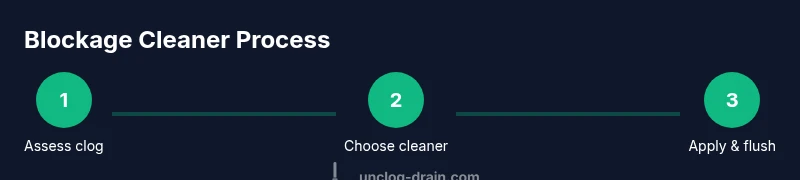
Kitchen Sink Blockage Cleaner: A DIY Guide
Learn how to choose and use kitchen sink blockage cleaners safely with step-by-step instructions, safety tips, and maintenance strategies for clog-free drains.


You will learn how to select and use a kitchen sink blockage cleaner safely, understand different cleaner types, and follow a practical, step-by-step approach to clear a clog without damaging pipes. This guide emphasizes safety, preparation, and proper disposal.
What causes kitchen sink blockages
A clogged kitchen sink is most often the result of a combination of grease, cooking fats, food scraps, and soap scum that gradually build up inside the drain and P-trap. Over time, fats and oils solidify, while small particles like cereal or potato peels catch soap scum and other debris, creating a stubborn semi-solid blockage. The environment of a kitchen sink—frequent use, standing water, and a disposal or garbage disposal coupling—accelerates this process. According to Unclog Drain, the most common starting point for many clogs is the P-trap, where gravity turns loose debris into a solid plug. Recognizing where clogs typically form helps you select the right cleaner and apply the method with better odds of success. Look for signs such as slow draining, gurgling sounds, or standing water that won’t drain after a minute or two of running water.
When the clog is near the trap, you’ll often notice a choke point that’s easier to address with a mechanical approach (plunger or auger) or a targeted cleaner. If water backs up into the sink while using the dishwasher, the issue may involve a clogged air gap or a shared line—this requires careful troubleshooting and, in some cases, professional help. Understanding the location and likely material causing the blockage will guide your cleaner choice and application strategy. Unclog Drain’s guidance emphasizes starting with safer, milder options for small or hairline clogs and reserving harsher cleaners for persistent blockages.
Why choose a kitchen sink blockage cleaner over other methods
Using a dedicated kitchen sink blockage cleaner—whether enzymatic, caustic, or a combination product—offers a targeted approach to dissolve or loosen clog-causing materials in the drain. While hot water and physical methods can help, a purpose-built cleaner can address the actual clog material more effectively and with less manual effort. Enzymatic cleaners work gradually by digesting organic materials, making them a safer long-term maintenance option, especially for pipes and septic systems. Chemical cleaners can act faster but require careful handling and adequate ventilation. Mechanical methods, like plungers and drain snakes, can complement chemical or enzymatic cleaners, especially for stubborn clogs. The Unclog Drain team notes that combining safe techniques—such as a cleaner with mechanical agitation—often yields the most consistent results, particularly in busy kitchens where grease is a frequent culprit.
Types of cleaners and when to use them
There are several categories of kitchen sink blockage cleaners:
- Enzymatic cleaners: These use beneficial bacteria or enzymes to digest organic matter over time. They’re generally gentler on pipes and suitable for routine maintenance or mild clogs. They require repeated applications and some patience.
- Caustic cleaners: Typically sodium hydroxide-based products that dissolve grease and organic matter quickly. They produce strong fumes and can be harsh on pipes if misused or overused. Always follow label directions and wear protective gear.
- Acidic cleaners: Often stronger than caustic types, these cleaners tackle mineral buildup and certain organic blockages but pose higher safety risks. Use only as directed and ensure good ventilation.
- Mechanical helpers: Plungers and drain snakes are not cleaners per se, but they work in tandem with chemical or enzymatic formulas to physically break apart material. Using a snake after applying a cleaner can help dislodge material that’s not dissolving fast enough. When to use which: for oily or greasy blocks, enzymatic cleaners are a patient, safer option; for rapid relief of heavy grease or hair clogs, a carefully used caustic or mildly acidic cleaner may be appropriate, followed by thorough rinsing. Always test your pipes—especially PVC or older metal pipes—before using aggressive cleaners. The goal is to clear the blockage without harming seals, gaskets, or the trap. Unclog Drain’s guidance stresses starting with milder cleaners and escalating only if necessary.
Reading labels and safety—what to look for on a cleaner
Before purchasing or applying a kitchen sink blockage cleaner, read the product label carefully. Key information includes:
- Active ingredients and their concentration
- Recommended use and dwell time
- Safety warnings and PPE requirements
- Whether the formula is safe for plastic or metal pipes and for use with a garbage disposal
- Disposal instructions for leftover product and dirty water If you have a septic system, choose enzymatic cleaners or products labeled septic-safe to avoid harming beneficial bacteria. It’s also wise to test a small amount in an inconspicuous area of the drain to confirm compatibility with your pipes. The Unclog Drain analysis emphasizes following the label precisely and avoiding mixing cleaners, which can create dangerous fumes or chemical reactions. Proper disposal is essential to protect your plumbing and environment.
Environmental and safety considerations when using kitchen sink cleaners
Safety comes first when dealing with kitchen drains. Ventilate the area well, wear protective gloves and goggles, and keep children and pets away during the process. Do not mix different cleaners; incompatible combinations can release toxic gases or create dangerous reactions. If you’re working in a small apartment or a home with limited ventilation, open windows and run a fan. After using a cleaner, flush the line thoroughly with hot water (or warm water if the pipes are sensitive) to help push materials through. If you notice unusual symptoms such as strong fumes, dizziness, or chemical burns, stop immediately and seek professional assistance. Consider environmentally friendly enzymatic cleaners for routine maintenance to minimize chemical exposure and avoid harming beneficial bacteria in septic systems. Unclog Drain’s approach favors safe handling and disposal practices to protect both your home and the environment.
How to choose a kitchen sink blockage cleaner for your home
Choosing the right cleaner involves assessing the clog type, pipe material, and any local environmental considerations. Start with an enzymatic cleaner for mild, routine maintenance or if you’re uncertain about the clog’s composition. For faster results on grease-heavy clogs or organic matter that has built up over years, a carefully chosen chemical cleaner can be effective, but you must follow the label and use proper ventilation. If you have a garbage disposal, ensure the cleaner is compatible with disposal components and won’t void warranties. For metal pipes (like old copper or iron), avoid high-acid formulas that can corrode the piping over time. For plastic pipes (PVC or ABS), most modern cleaners are safe when used as directed, but always verify. If a combination of mechanical and chemical methods proves ineffective after a full dwell time, it’s wise to move to a professional option. The Unclog Drain team recommends a cautious, gradual approach—start mild, escalate only as needed, and prioritize pipe safety over speed.
Alternative methods to try before or with cleaners
If you’re hesitant to use chemical cleaners, there are several non-chemical options:
- Plunging: A proper sink plunger with a firm seal can dislodge many simple clogs. Ensure you cover the overflow plate if your sink has one.
- Mechanical snakes: A drain auger or plumber’s snake can reach deeper clogs and physically break apart debris.
- Hot water flush: After clearing a small clog, flush the drain with hot water to dissolve accumulated grease. Do this cautiously to avoid damaging seals.
- Baking soda and hot water: A baking soda and hot water combo can help with minor buildup, though it won’t replace a dedicated cleaner for tough blockages. Always exercise caution with additives and never mix cleaners with other household chemicals. If you sense a gas-like smell, dizziness, or eye irritation, stop and seek professional help.
Post-cleanup care and prevention
Once the blockage is cleared, establish a simple maintenance routine to prevent future clogs. Use a drain screen to catch food particles, avoid pouring grease down the drain, and run hot water through the drain for 15-20 seconds after each use. Consider using an enzymatic maintenance cleaner monthly to help control buildup, especially in homes with frequent grease usage. Periodically inspect the trap for signs of leaks or wear, and clean it if accessible. Regular maintenance reduces the likelihood of recurring clogs and extends the life of your plumbing system. By adopting these habits and using cleaners responsibly, you can keep your kitchen sink draining smoothly longer.
Tools & Materials
- rubber gloves(Protect hands from chemicals and grime)
- safety goggles(Protect eyes from splashes)
- bucket or large container(Catch dirty water and spills)
- old towels or rags(Contain spills and wipe surfaces)
- sink plunger (cup-style)(Useful for mechanical clearance)
- drain snake / auger(Reach deeper blockages)
- kitchen sink blockage cleaner (enzymatic or caustic)(Choose based on clog and pipe material)
- boiling water or kettle(Flush after cleaning if pipes allow)
- measuring cup or mixing container(For diluting cleaners if required)
Steps
Estimated time: 30-45 minutes
- 1
Clear the area and remove standing water
Scoop out as much standing water as possible using a cup or small container. Wipe the area dry to better see the blockage and prevent splashes during the next steps.
Tip: Keep towels handy and work over a bucket to avoid spills. - 2
Read the cleaner label and decide on method
Check the cleaner’s dwell time, safety warnings, and pipe compatibility. Decide if enzymatic or chemical cleaner is more appropriate for the clog type and pipe material.
Tip: Never mix cleaners; label guidance is there to prevent dangerous reactions. - 3
Apply the cleaner according to its type
Pour or inject the cleaner as directed, ensuring an even coating of the clog area. For enzymatic products, avoid adding water immediately after application if the label instructs otherwise.
Tip: Use a syringe or measuring cup for precise application when required. - 4
Let the cleaner dwell
Allow the cleaner to sit for the recommended dwell time to work on the clog. Do not run water during this period unless the label says it’s acceptable.
Tip: Set a timer to avoid overexposure or under-dwell. - 5
Flush with hot water
After dwell time, run hot (not boiling, unless specified safe) water to flush loosened material through the pipes.
Tip: Start with a slow flow and ramp up to prevent splashing. - 6
Use a plunger or snake if needed
If water remains slow, apply a plunger with a good seal or feed the snake into the drain a few inches at a time to break up the plug.
Tip: Always seal the sink and maintain steady pressure for best results. - 7
Re-test the drain
Run water to confirm you’ve cleared the blockage. If the drain remains blocked, consider repeating the process or moving to mechanical help.
Tip: If water doesn’t drain after repeated attempts, stop and seek professional help. - 8
Cleanup and disposal
Dispose of any used wipes, protective gear, and leftover cleaner according to label instructions. Clean tools and wipe down the area.
Tip: Never pour leftover cleaner down a storm drain; dispose per local guidelines.
Common Questions
What is a kitchen sink blockage cleaner and how does it work?
A kitchen sink blockage cleaner is a product designed to dissolve or loosen clog-causing materials in the drain. Depending on the type, it may use enzymes to digest organic matter or chemicals to dissolve grease and build-up. Always follow the label directions for safe use.
A kitchen sink cleaner dissolves or loosens clogs in your drain. Use it exactly as directed on the label for safe, effective results.
Can I mix baking soda and vinegar with chemical cleaners?
Mixing cleaners with baking soda and vinegar is not recommended if you’re also using chemical cleaners, as it can cause gas or reactions. Use baking soda and hot water only as a separate, mild maintenance method, not in combination with chemical cleaners.
Avoid mixing cleaners with baking soda and vinegar. Use baking soda separately if you want a simple maintenance step.
Is enzymatic cleaner safer for pipes than chemical cleaners?
Enzymatic cleaners are generally gentler on pipes and septic systems and work over time to digest organic material. Chemical cleaners work faster but can be harsher on pipes if misused. Choose based on the clog and pipe material, and always follow the label.
Enzymatic cleaners are gentler for pipes, while chemical cleaners act faster but require careful use.
How long should I wait after applying cleaner before flushing?
Most cleaners require a dwell time shown on the label, typically a few minutes to several hours. Do not flush until the recommended dwell time has elapsed to maximize effectiveness.
Wait the recommended dwell time on the label before flushing to get the best results.
When should I call a plumber for a kitchen sink clog?
If the clog remains after a few attempts, if there’s standing water that won’t drain, or if you notice foul smells or leaks, it’s time to call a plumber. Persistent blockages can indicate deeper plumbing issues.
Call a plumber when the clog persists after repeated attempts or if you notice leaks or unusual smells.
Will boiling water damage plastic pipes?
Boiling water can damage certain plastic pipes or glue joints. If your pipes are PVC or present uncertainty, use hot but not boiling water and check manufacturer guidance before pouring.
Boiling water can damage some pipes, so use hot water and check guidance first.
Watch Video
Key Points
- Identify the clog location and composition before choosing a cleaner.
- Follow label instructions and safety precautions at all times.
- Start with milder, enzymatic cleaners for maintenance and safety.
- Escalate to stronger cleaners only if the clog persists.
- Practice good drain maintenance to prevent future blockages.