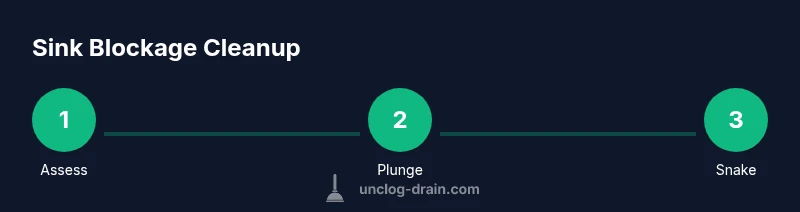
How to Remove Sink Blockage: Step-by-Step Guide for Homeowners
Learn practical, safety-first steps to remove sink blockage quickly. This Unclog Drain guide covers plunger, P-trap cleaning, drain snake use, and maintenance to prevent future clogs.


You can remove a sink blockage with a combination of mechanical clearing, P-trap cleaning, and gentle flushing. Start with simple methods like hot water, baking soda and vinegar, and proper plunging. If the clog persists, use a hand auger (drain snake) or clean the P-trap before testing drainage again.
Understanding why sink blockages happen
Sinks clog for a few predictable reasons that differ by room. In bathrooms, hair, soap scum, and mineral buildup gradually trap debris in the P-trap and drain arm, reducing flow. In kitchens, grease, coffee grounds, and food particles combine with soap to form stubborn obstacles that cling to pipe walls. According to Unclog Drain, most residential sink clogs begin in the trap or the immediate drain line, which means a focused, mechanical approach often clears the blockage without resorting to harsh chemicals. By identifying where the blockage sits—whether in the P-trap, the trap arm, or further down the line—you can tailor your method. Start with the simplest, least invasive technique, such as hot water flushes and manual cleaning, before moving to tools like a plunger or a drain snake. Double sinks require checking if both basins drain together or separately; this helps pinpoint whether the issue is localized or in the shared run.
Spotting a blockage in a double sink requires checking whether both basins drain slowly together or separately. If only one side drains slowly, the issue is closer to that basin's drain line. If both sides are slow, the problem is likely in the main drain or shared plumbing. These cues guide whether to work on the P-trap or go deeper with a snake. For many households, this diagnostic step is enough to prevent unnecessary disassembly, saving time and reducing risk to seals and joints.
Safety and prep before you start
Before you begin, gather your tools and take safety precautions. Wear gloves and eye protection to guard against splash and sharp edges. Keep kids and pets away from the work area. If you have a garbage disposal, switch off the unit and unplug the kitchen outlet to avoid accidental activation. Have a bucket ready to catch water, and place towels to protect the floor. Do not mix chemical drain cleaners with other cleaners or with plungers, as fumes and reactions can be hazardous. Unclog Drain emphasizes starting with mechanical methods first, reserving chemical solutions only for situations that truly require them, and never attempting to clear a drain with power tools near water or electricity.
If you’re dealing with a kitchen sink connected to a disposal, also ensure the disposal is fully powered down and de-energized. For bathroom sinks, detach the pop-up stopper if it’s stuck, as a jammed stopper can mimic a clog. By preparing properly, you maintain control of the process and reduce the risk of leaks or pipe damage.
Quick diagnostics you can do before disassembly
Check whether the clog affects both basins or only one. Run hot water for 60 seconds to see if drainage improves. If not, attempt a gentle plunge with a properly sized plunger to test whether the blockage is near the surface. Look under the sink for visible leaks or loose connections that could influence drainage speed. If the water remains stagnant despite these tests, the blockage is likely deeper in the drain line or in the P-trap.
A sensor-like approach helps prioritize actions. If you hear gurgling or notice slow drainage on both sides, the main drain or shared line is implicated. If only one basin is slow, the problem is likely in that drain arm or the P-trap specific to that basin.
Mechanical clearing: Plunging effectively
Use a sink plunger with a tight seal and heavy rubber. Position the plunger to cover the drain and create a solid seal. Push down firmly and pull up, repeating 15–30 seconds per cycle, maintaining the seal throughout. If you have a double sink, seal the other drain with a wet cloth to prevent air from escaping. Repeat cycles as needed until drainage improves. After plunging, flush with hot water to wash away loosened debris. Unclog Drain notes that proper plunging resolves many bathroom sink clogs without tools beyond the plunger.
Tip: Keep the plunger fully submerged and avoid using a traditional cup plunger on a flat sink surface; a cup plunger is better for tubs or sinks with a flat rim.
Disassemble and clean the P-trap
Place a bucket under the P-trap to catch water and debris. Use adjustable pliers to loosen the slip nuts on the traps’ ends, then slide the trap away from the drain and inspect for hair, grease, and mineral buildup. Clean the inside with a brush or bottle brush and rinse with warm water. Reassemble the trap tightly to prevent leaks and run water to check for flow. If you notice damage or persistent odor, replace the trap rather than forcing it to fit.
Tip: Do not overtighten the nuts, which can damage fittings or crack the PVC. If fittings are corroded, replace them with new parts from a home center.
Drain snake (auger) basics: When plunging isn’t enough
Feed the snake into the drain slowly while turning the handle clockwise to advance the coil. When you feel resistance, rotate and push gently to break through the clog, then pull back and remove debris. Withdraw the snake and clean off the coil before re-inserting. Extend only as far as needed; forcing deeper can push the clog further into the line. After removing the snake, flush with hot water or a mild detergent solution to clear remaining debris.
Tip: Use a manual auger for best control in tight spaces; avoid power augers near water or prone to kickback.
Advanced steps if the clog persists
If the clog remains after P-trap cleaning and snake use, the blockage may be in the horizontal drain line or beyond. Consider enzymatic cleaners as a safer alternative to chemical drain cleaners, especially in homes with old pipes. Do not mix cleaners and never use caustic chemicals in septic systems. If you still can’t clear the clog after these steps, it’s time to call a licensed plumber.
Tip: Enzymatic cleaners work gradually; give them time to work, typically 6–12 hours, and avoid multiple products at once to prevent harmful reactions.
Authority sources
For informed, safety-conscious guidance on sink drainage and maintenance, consult reputable sources: • Penn State Extension: https://extension.psu.edu/ • University of Minnesota Extension: https://extension.umn.edu/ • North Carolina State University Extension: https://extension.ces.ncsu.edu/
Tools & Materials
- Cup plunger (sink-plugging plunger)(Cup-style plunger with a tight rubber cup; use for single and double sinks.)
- Bucket(Place under P-trap to catch water and debris.)
- Adjustable wrench(Loosen P-trap nuts; choose proper size to avoid rounding.)
- Old towels or rags(Protect floor and catch splashes.)
- Gloves (nitrile or rubber)(Protect hands from debris and sharp edges.)
- Drain snake / auger(Hand auger is preferred for bathroom sinks; optional if you don’t have one.)
- Flashlight(Inspect tight spaces and trap area.)
Steps
Estimated time: 45-60 minutes
- 1
Prepare and safety check
Gather all tools and put on gloves and eye protection. If you have a disposal, switch off power to the unit and unplug the outlet. Clear the area and place a bucket under the P-trap area. Ensure everyone nearby understands you’ll be working under the sink.
Tip: Pro tip: having a plan and all tools within arm’s reach saves time and reduces risk of splashes. - 2
Inspect and remove the P-trap
Place the bucket under the trap, loosen the slip nuts with an adjustable wrench, and carefully detach the trap. Inspect for hair, grease, and mineral buildup. Clean the trap out completely and rinse before reattaching.
Tip: Do not overtighten nuts on reassembly to avoid leaks. - 3
Plunge the drain
Seal the drain with the plunger; ensure a tight seal over the drain opening. Plunge vigorously for 15–30 seconds, then lift to see if water drains. Repeat as needed until drainage improves.
Tip: If you have a double sink, seal the other drain to maintain suction. - 4
Use a drain snake for stubborn clogs
Insert the snake into the drain and rotate clockwise to push through the clog. When you feel resistance, rotate and pull back debris. Remove the snake and dispose of caught material.
Tip: Work slowly to avoid pushing the clog deeper into the pipe. - 5
Flush and test
Run hot water to flush loosened material. Reassemble any parts you removed and check for leaks. Confirm both sides drain evenly and completely before finishing.
Tip: Warm water helps dissolve grease and soap scum more effectively. - 6
Clean up and evaluate next steps
Wipe surfaces, run water for a few minutes, and monitor for recurring clogs. If water still drains slowly, consider enzyme-based cleaners or scheduling a professional inspection.
Tip: Keep a maintenance schedule to prevent future blockages.
Common Questions
What is the safest first step to unclog a sink?
Begin with safe, mechanical methods: plunging and basic P-trap cleaning. Avoid chemical cleaners as a first option. If water still doesn’t drain, proceed to using a drain snake or inspecting the trap.
Start with plunging and trap cleaning, then move to a snake if needed.
Can I use chemical drain cleaners to clear a sink blockage?
Chemical cleaners are not ideal for every home; they can damage pipes, septic systems, and harm you if misused. Use enzymatic cleaners if you must, and never mix products. If you have old pipes, consider mechanical methods first.
Chemicals can be risky—try mechanical methods first and enzymes if needed.
Why does a sink clog recur after clearing it?
Recurring clogs often come from buildup in the trap arm or pipe curvature. Regular maintenance and proper disposal (avoid grease and large food scraps) help prevent repeats.
Clogs repeat because buildup isn’t fully removed or returns with waste.
When should I remove the P-trap?
Remove the P-trap if you can’t clear the clog from the top or if you can see debris inside. Always place a bucket underneath and inspect for wear or leaks.
Take off the P-trap when the clog is in the trap or cannot be reached from above.
Are kitchen sink blockages different from bathroom sink blockages?
Yes. Kitchen blockages are more likely to involve grease, food scraps, and soap build-up, while bathroom clogs usually involve hair and soap residues. The approach is similar but may require more frequent P-trap cleaning in kitchens.
Kitchen clogs often involve grease; bathrooms often deal with hair and soap.
What maintenance helps prevent future sink clogs?
Run hot water weekly, use a drain screen, avoid pouring grease down kitchen sinks, and clean the P-trap periodically. Consider enzyme cleaners for ongoing prevention when appropriate.
Keep a weekly hot water rinse and clean traps regularly to prevent buildup.
Watch Video
Key Points
- Start with inspection and safe prep to prevent accidents
- Most bathroom sink clogs clear with plunger and P-trap cleaning
- A drain snake extends reach when plunging fails
- Regular maintenance reduces future clogs and odors