Liquid to Unclog Sink: A Practical DIY Guide
Learn when and how to use a liquid to unclog sink safely. This Unclog Drain guide covers step-by-step methods, safety tips, and alternatives for kitchen and bathroom sinks.


Liquid to unclog sink can clear minor blockages when used correctly. This guide from Unclog Drain shows how to assess the clog, choose a safe product, and follow up with mechanical steps to reduce mess and damage. You’ll learn safety precautions, timing, and alternatives so you can fix a sink efficiently without costly interventions.
What liquid to unclog sink is and when to use it
Liquid drain cleaners come in enzymatic and chemical forms. Enzymatic cleaners use bacteria to digest organic material, while chemical cleaners often rely on caustic or oxidizing agents to dissolve clogs. For minor clogs caused by hair, soap buildup, or food particles in bathroom or kitchen sinks, a liquid can be a quick fix. However, sinks with metal pipes, old PVC joints, or septic systems require extra caution. Always follow product directions and avoid mixing cleaners with other chemicals; never use a cleaner designed for a toilet in a sink. According to Unclog Drain, you should start with mechanical methods (plunging, snaking) before turning to chemical solutions, and restrict use to when the clog is localized and not backed up into traps or vents. Pay attention to venting and odors; if you smell gas or sewage, stop and ventilate the area immediately. If you're unsure, seek help or contact a licensed plumber.
How liquid drain cleaners work
Liquid to unclog sink products rely on chemistry to dissolve or loosen blockages. Enzymatic formulas break down organic buildup over time, while chemical cleaners use alkalis or oxidizers to soften hair, grease, and soap scum. The speed of action varies: enzymatic blends may take several hours to hours, while caustic formulas can clear simple clogs within minutes to an hour. The key is to ensure the product reaches the clog without creating a hazardous mix with other cleaners or household chemicals. Remember, effectiveness depends on the clog type, pipe material, and proper dwell time as stated on the label.
When to use liquid to unclog sink (and when not)
Use liquid drain cleaners for light to moderate clogs caused by organic buildup in kitchen or bathroom sinks. If the clog is stubborn, involves a disposed food or a jammed kitchen strainer, or if water drains slowly but steadily, a liquid product may help. Do not use when the drain backs up into the overflow or when the trap is completely blocked; chemical cleaners can push the problem further into the plumbing. Never mix with other cleaners, such as bleach or ammonia, and avoid using in toilets or garbage disposals unless the product explicitly states compatibility. In cases of metal pipes or aged plumbing, consider safer alternatives or a plumber.
Step-by-step: safe application of a liquid clog remover
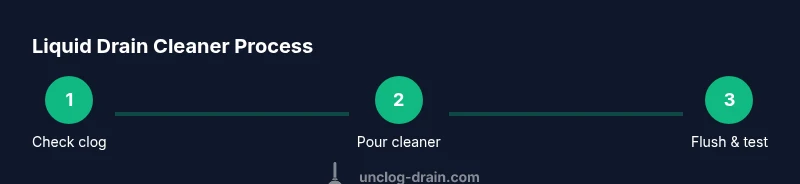
Before applying any product, read and follow the label, wear safety goggles and gloves, and ensure proper ventilation. Position a towel or bucket under the area to catch drips and protect your flooring. Slowly pour the recommended amount into the drain, then clamp the sink stopper to prevent splashes. Allow the dwell time specified by the manufacturer, then flush with hot (not boiling) water. If the product recommends spanning multiple minutes, wait exactly as directed to avoid bypassing the clog or damaging pipes. After waiting, re-test drainage to see if water flow improves.
Alternatives and when to stop
If a liquid cleaner fails to improve drainage after the prescribed dwell time, switch to mechanical methods such as plunging or using a drain snake. For kitchen sinks with disposals, use the appropriate technique without pushing the clog toward the disposal. Do not mix products, and avoid combining baking soda and vinegar with chemical cleaners, which can create unpredictable reactions. Enzymatic cleaners can be used as a gentle long-term maintenance method, but they won’t instantly solve heavy blockages.
Maintenance and prevention to avoid future clogs
Regular maintenance reduces the need for chemical cleaners. Run hot water after meals, use a mesh strainer to capture hair and food particles, and periodically flush drains with a light enzyme cleaner to break down buildup without harsh chemicals. If you have hard water or mineral buildup, consider routine maintenance with citric acid or a gentler cleaner as recommended by the manufacturer. Keeping a two-stop approach—mechanical clearing for quick wins and enzyme-based maintenance for ongoing protection—helps maintain clear drains without relying solely on liquids.
Common mistakes to avoid
Avoid mixing cleaners, which can create dangerous fumes or chemical reactions. Don’t use a product intended for toilets or septic systems in a regular sink, and never pour hot liquids into a clogged drain before ensuring the product has time to work. Also, don’t ignore safety gear—gloves and goggles protect you from splashes and fumes. Finally, never rely on a chemical cleaner for a completely blocked sink where water is backing up into fixtures or vents.
Real-world scenarios and troubleshooting tips
In a sink clogged with long hair and kitchen grease, start with a mechanical approach (plunger, then snake) before attempting chemical cleaners. If you have a double-basin sink, ensure the first basin is fully treated and cleared before evaluating the second; partial work can mask the true extent of the clog. If odors persist after treatment, remove and clean the trap (P-trap) to remove solid buildup and reassemble with proper gaskets to prevent leaks. Always dispose of any used cleaners according to label instructions and store products safely away from children and pets.
Tools & Materials
- Liquid drain cleaner (enzyme-based or chemical)(Follow label directions exactly; do not mix with other cleaners.)
- Protective gloves(Nitrile preferred; protects skin from splashes.)
- Safety goggles(Protect eyes from splashes and fumes.)
- Plunger (cup style)(Useful for initial mechanical clearing.)
- Bucket or old towel(Catch spills and protect the floor.)
- Ventilated area(Open windows or use a fan to disperse fumes.)
- Measuring cup or device(To pour precise amounts as directed.)
Steps
Estimated time: 40-60 minutes
- 1
Read label and prep safety
Inspect the product’s instructions for dwell time and compatibility with your sink. Put on safety gloves and goggles, and ensure the space is well-ventilated. Clear the area around the sink to prevent spills from affecting surrounding surfaces.
Tip: Reading the label before any use prevents dangerous reactions and misuse. - 2
Clear the area and protect surfaces
Place a towel under the drain and position a bucket if needed to catch overflow. Remove standing water if possible to improve contact with the cleaner. This helps the product work more effectively on the clog.
Tip: A clear workspace reduces cleanup time and prevents accidental spills. - 3
Pour the cleaner into the drain
Measure and pour the recommended amount slowly into the drain. Avoid splashing; keep the bottle upright and allow the liquid to flow directly into the trap area where buildup is most likely. Do not add water before or during the pour unless the label instructs otherwise.
Tip: Pour slowly and maintain distance to minimize splashes. - 4
Wait the manufacturer’s dwell time
Let the cleaner sit for the stated duration. Do not rush to flush; many products require several minutes to break down organic buildup. If the label specifies a range, use the middle value as a guide.
Tip: Patience matters; rushing can reduce effectiveness. - 5
Flush with hot water
After the dwell time, flush the drain with hot water (not boiling) to clear loosened material. Run the water for 60–90 seconds and observe the flow. If the water drains slowly, repeat the process or switch to a mechanical method.
Tip: Hot water helps dissolve and flush residues without shocking the pipes. - 6
Re-test the drain
Run water to verify improvement. If slow drainage persists, consider a second treatment only if the product label permits, or move to mechanical clearing (plunger or snake) for a more robust cure.
Tip: Persistent clogs may indicate deeper blockages requiring professional help. - 7
Safety and cleanup
Seal and store any unused product according to the label. Rinse tools and wash hands thoroughly after use. Keep the area ventilated during and after treatment to reduce fumes.
Tip: Never mix cleaner residues with other cleaners in the trash or disposal area. - 8
Evaluate disposal needs
If you have a disposal unit, ensure it is not jammed by the clog. Do not overfill the disposal chamber, and run cold water through the system to help remove debris. If the disposal is blocked, handle separately to avoid injury.
Tip: Following disposal-specific guidance reduces mechanical damage and odor. - 9
Know when to call a pro
If multiple attempts fail or if you notice a foul odor, gurgling, or water backing up into other fixtures, contact a licensed plumber. A professional can assess traps, venting, and pipe integrity that cleaners cannot fix.
Tip: Professional help saves time and prevents further damage.
Common Questions
Is it safe to use liquid drain cleaners in a kitchen sink?
Yes, but only for light to moderate organic clogs and when the product is labeled for kitchen drains. Do not use toilets or disposal units unless the product states compatibility. Always wear protective gear and never mix cleaners with other chemicals.
It can be safe for light kitchen clogs if you follow the label and use protective gear.
How long should I wait after applying a liquid cleaner?
Most liquids require a dwell time stated on the label, often several minutes to an hour. Do not flush earlier than recommended to allow the cleaner to act on the clog.
Wait the full time the label recommends, then flush.
Can I use baking soda and vinegar with liquid drain cleaners?
Mixing baking soda and vinegar with chemical cleaners can create unexpected reactions and fumes. It’s best to avoid combining different methods in the same drain and follow the cleaner’s instructions.
Don’t mix cleaners with baking soda and vinegar.
What should I do if the clog persists after using a liquid cleaner?
If the clog remains after following the label, switch to a mechanical approach (plunger or snake) or call a professional. Repeated chemical treatments can damage pipes and traps.
If it’s still clogged, try mechanical methods or call a plumber.
Are enzymatic cleaners better than chemical cleaners?
Enzymatic cleaners are gentler and suitable for maintenance, but they may take longer to work on stubborn clogs. Chemical cleaners act faster but carry greater risks and can damage pipes if misused.
Enzymatic cleaners are gentler, chemical cleaners work faster but riskier.
Watch Video
Key Points
- Check the clog type and select a compatible liquid cleaner.
- Follow label instructions and safety gear requirements at all times.
- Start with mechanical clearing before or alongside chemical methods.
- Allow proper dwell time and flush with hot water to maximize results.
- If unresolved, consult a professional to avoid pipe damage.