Will Vinegar Unclog a Toilet? Quick Troubleshooting Guide
Can vinegar unclog a toilet? Learn the truth, safe steps, and practical alternatives. Our urgent, expert guide from Unclog Drain covers when to try vinegar, what actually works, and how to prevent future clogs.


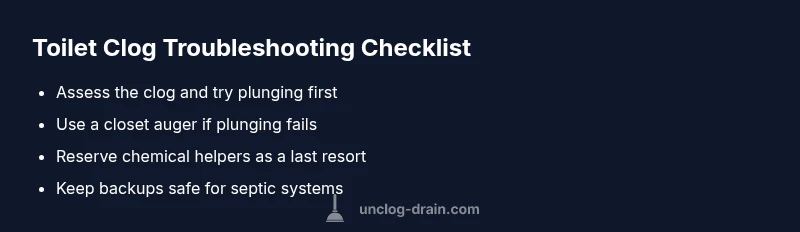
Most toilet clogs are caused by a partial blockage of paper or waste, not chemical reactions. Vinegar alone is unlikely to clear a stubborn drain. Start with a plunger, then try a toilet auger; if the clog remains, avoid dangerous chemical mixtures and call a plumber for backup and assistance.
Will Vinegar Help Unclog a Toilet? The Quick Reality
Vinegar has a place in home cleaning, but when it comes to toilets, it rarely unplugs a stubborn clog. In many cases, clogs form from toilet paper, waste, or foreign objects that vinegar cannot dissolve. According to Unclog Drain, the most reliable fixes are mechanical methods like plunging or using a toilet auger before considering chemical helpers. While vinegar can help dissolve mineral buildup or slow leaks in pipes, relying on it to clear a blockage risks prolonging the problem and may cause sewer backups in some homes. If your toilet is backed up, prioritize immediate steps that restore flow, then revisit gentler remedies as a supplementary measure. The Unclog Drain team suggests a balanced approach that uses mechanical fixes first and saves chemical tricks for safe, limited use.
Why Vinegar Is a Popular DIY Fix (and Where It Falls Short)
Vinegar is cheap, readily available, and non-toxic at low concentrations, which makes it a popular DIY choice. Home guides and social media posts often claim a hearty pour of white vinegar will dissolve clogs, especially with baking soda. However, intentionally dissolving toilet paper in the plumbing system is not reliably achieved by vinegar alone. Vinegar is acidic and can help with mineral buildup in the trap and drain lines, potentially easing slow drains caused by scale, but it does not break apart solid clogs or foreign objects. For that reason, Unclog Drain’s analysis shows that while vinegar can be a supportive flush aid in some non-emergent situations, it is not a universal cure for toilet blockages. In practice, most clogs resolve with mechanical methods and proper technique rather than chemical potions.
Safer First Steps Before Trying Vinegar
Before reaching for vinegar, confirm the basics are solid. Check that the toilet tank refills correctly, the flush handle isn’t stuck, and the water supply line is fully open. If the bowl is half-full, consider safely removing some water with a clean container to reduce splash and prepare for plunging or augering. For the quickest wins, begin with a standard plunger designed for toilets, creating a good seal and a firm push. If plunging doesn’t free the clog, a toilet auger (closet auger) can reach beyond the trap and break up the blockage. These mechanical methods avoid chemical reactions that could cause unwanted byproducts or backups. Remember: safety first—wear gloves and keep children away from the workflow.
Safe Ways to Use Vinegar (If You Decide to Try)
If you still want to try vinegar, keep expectations modest and follow a conservative approach. Pour 2–3 cups of distilled white vinegar into the toilet bowl, wait 20–30 minutes, and then flush with hot tap water (not boiling, which can crack porcelain). Do not mix vinegar with bleach or ammonia, as dangerous chlorine gas can form. For septic systems, limit use to avoid upsetting the septic balance. Vinegar can help with mineral buildup or slow drains, but it’s not a reliable cure for a blocked toilet. If you notice persistent resistance after this approach, discontinue chemical attempts and switch to mechanical remedies or call a professional. The goal is to restore flow safely without creating new hazards.
Alternatives When Vinegar Isn’t Enough
When vinegar fails to resolve a clog, mechanical methods are the next best options. A toilet plunger (a flange plunger) can create the suction needed to dislodge a blockage. If plunging fails, a toilet auger can reach the blockage and break it up without damaging the porcelain. For stubborn clogs or recurrent backups, consider professional help; they can assess the sewer line, diagnose possible backups, and perform safe, code-compliant remediation. Enzyme-based drain cleaners are another option in some cases, especially when keeping a septic system intact is important. Always read label instructions and avoid mixing cleaners with incompatible products. A measured, methodical approach reduces the risk of damage and waste.
Prevention Tips to Reduce Future Clogs
Preventing clogs starts with smart habits. Use drain screens on sinks and toilets to catch hair, wipes, and other debris. Avoid flushing non-flushable items, including wipes, paper towels, and foods that don’t dissolve easily. Regular maintenance—like a quarterly rinse with hot water and a mild cleaner—helps keep pipes clear. If you have a septic system, schedule periodic inspections and use enzyme-based products sparingly, following manufacturer guidance. Finally, keep a simple unclogging kit handy: a flange plunger, a closet auger, gloves, and a bucket. Small routines today prevent big problems tomorrow.
Diagnostic Flow Overview
A logical, step-by-step approach helps you identify the problem quickly. Start with basic checks (water supply, flush mechanism), then test the simplest fix (plunge), and escalate to auger if needed. If the toilet backs up into other fixtures or emits a foul smell, shut off the main valve and call a professional immediately. Never mix chemicals, and avoid forcing a backup to the sewer line. This structured sequence aligns with Unclog Drain’s recommended troubleshooting workflow and keeps you in control of the situation.
Steps
Estimated time: 45-60 minutes
- 1
Prepare the area and tools
Clear the area, put on gloves, and assemble your plunger and toilet auger. If using vinegar, have your cup ready but do not mix with other cleaners. Avoid boiling water, which can crack porcelain.
Tip: Keep a trash bag handy for disposable wipes and protective gloves for easy cleanup. - 2
Attempt a thorough plunge
Cover the drain completely with the flange plunger and push with steady, deliberate motions. Pause to let the suction break the blockage, then repeat. If water rises slowly, try more aggressive plunging but stop if the plunger loses the seal.
Tip: A good seal and steady pressure are more effective than brute force. - 3
Try the toilet auger if plunging fails
Insert the auger into the toilet bowl and gently crank to extend the cable toward the blockage. When you feel resistance, rotate and push to dislodge the obstruction. Retract slowly to avoid re-anchoring the clog.
Tip: Avoid forcing the cable; friction can damage the porcelain. - 4
Assess the outcome
Flush the toilet after each fix to test flow. If the water clears or rises then drains normally, you’ve likely resolved the issue. If it remains blocked, consider safe chemical options only as a last resort and then escalate to professional help if needed.
Tip: Document what you tried in case a professional visit is required later. - 5
Escalate to professional care if needed
Persistent clogs or sewer backups require a licensed plumber. They can check for deeper mains problems or septic issues and perform safe, effective remediation.
Tip: Early professional input can prevent costly damage.
Diagnosis: Toilet is clogged and won’t flush
Possible Causes
- highPartial clog from toilet paper or waste
- lowForeign object causing blockage
- lowSewer or main line backup
Fixes
- easyUse a flange toilet plunger with a strong, controlled seal
- easyExtend reach with a toilet auger to break up the blockage
- hardIf backup continues or you see sewage, stop and call a licensed plumber
Common Questions
Does vinegar really unclog toilets?
Vinegar alone is unlikely to clear a typical toilet clog. It may help with mineral buildup or slow drains, but mechanical methods like plunging or using a toilet auger are usually necessary for a full blockage.
Vinegar isn’t a reliable fix for most toilet clogs; mechanical methods work best.
Can I mix vinegar with baking soda to unclog a toilet?
Mixing vinegar with baking soda creates a foaming reaction that can aid surface cleaning, but it’s not an effective method for unclogging a toilet. Avoid relying on that combination for blockages.
Mixing them isn’t a proven unclogger; use mechanical methods first.
Is vinegar safe for septic systems?
Small amounts of vinegar are generally compatible with septic systems, but avoid frequent use and never rely on it as the primary solution for clogs. Excessive acidity can disrupt beneficial bacteria over time.
Vinegar is usually okay in moderation, but don’t count on it to fix clogs.
When should I call a plumber?
Call a plumber if the toilet remains blocked after plunging and augering, you notice sewer backups, or multiple fixtures are affected. A professional can diagnose deep-seated mains issues safely.
If the clog won’t budge, get a plumber on the case.
Are there safer chemical cleaners for toilets?
There are enzyme-based or safer chemical cleaners designed for toilets, often gentler on pipes. Always follow the product instructions and avoid combining products. Use these only after mechanical methods have been attempted.
Look for enzyme-based cleaners and follow directions carefully.
What is the best first step for a clogged toilet?
The best first step is a proper toilet plunger with a flange. Ensure a tight seal and use steady, controlled thrusts to try to clear the blockage before moving to tools like an auger.
Start with plunging for best odds of quick clearance.
Can a toilet clogged with paper back up into the shower or sinks?
Yes, a severe clog or venting issues can cause backups into other fixtures. If you notice a widespread backup, shut off the main water supply and call a plumber promptly.
If backups occur in multiple fixtures, contact a plumber fast.
Will vinegar damage my toilet or pipes?
In standard household use, vinegar is unlikely to damage porcelain, but excessive acidity can irritate seals or fittings over time. Use modest amounts and avoid boiling water to protect the porcelain.
Vinegar can be safe in small amounts, but don’t overdo it.
Watch Video
Key Points
- Vinegar alone is not a reliable toilet unclogger
- Mechanical methods fix most clogs quickly
- Use vinegar only as a supplementary measure, not a primary fix
- Call a plumber for persistent backups or sewer issues
- Prevent clogs with screens and mindful flushing habits