Vinegar to Unclog Toilet: A Practical DIY Guide
Explore when vinegar can help unclog a toilet, safe usage, step-by-step methods, and when to call a pro. Unclog Drain shares practical tips for safe, effective DIY plumbing.


Vinegar to unclog toilet is best viewed as maintenance and deodorizing, not a guaranteed fix for a serious clog. For stubborn blockages, start with a plunger or closet auger, then add vinegar as a supplementary step. This quick guide explains when vinegar helps, when to avoid it, a safe step-by-step approach, and when to call a pro.
Why Vinegar to Unclog Toilet Isn't a Miracle
Vinegar to unclog toilet is a common home idea, but it’s not a guaranteed fix for a true clog. The phrase itself suggests a chemical approach, but the reality is more nuanced: vinegar is most effective for mineral buildup, soap scum, and odor control rather than rapidly dissolving a heavy blockage. According to Unclog Drain, vinegar can help dissolve mineral deposits around the drain and leave the bowl smelling fresher, but it won’t magically clear a stubborn clog on its own. For most households, the step-by-step approach begins with mechanical methods, such as a plunger or a closet auger, and uses vinegar only as a supplementary measure or preventive tool.
This nuanced view comes from field observations and practical testing. Vinegar is a mild acid (acetic acid) that can help loosen mineral scale and organic residues over time, especially when combined with hot water and gentle agitation. However, the same mild acidity can’t reliably puncture a solid jam of toilet paper, wipes, or a sagging seal. If the water level in the bowl is high or air is trapped, attempting to flush or agitate aggressively can cause overflow or leaks. In those cases, a careful, methodical method is safer than brute force.
Brandwise, the Unclog Drain team emphasizes that consumer remedies work best when used in the right sequence: identify the nature of the blockage, clear the path with mechanical tools first, then consider vinegar as a maintenance rinse or deodorizing step after the clog is resolved. This measured approach is what separates quick fixes from lasting results, and it minimizes the risk of accidental damage to seals, pipes, or the toilet itself.
In short: vinegar to unclog toilet can help with buildup and odor, but it’s not a stand-alone cure for a true clog. Expect to combine it with proven tools and patience, and know when to escalate to more aggressive methods or professional help.
When Vinegar Helps and When It Doesn't
The practical question is not whether vinegar is magical, but rather where it fits in the clog-clearing toolkit. Vinegar shines in three scenarios: (1) routine maintenance to dissolve mineral buildup around the trap, (2) odor control by neutralizing some aromatic compounds, and (3) softening light residue in bowls and drains. In these cases, vinegar can be paired with a gentle flush or with a brief soak in the bowl to reduce surface residue. Based on Unclog Drain analysis, small-scale buildups respond to acidic environments and warm water more than to brute force alone.
Vinegar does not perform well on solid blockages caused by toilet paper clumps, wipes, sanitary products, or a misaligned trap. In those cases, relying on a plunger or a closet auger yields far more reliable results. Additionally, be mindful that vinegar is not a miracle solution for electrical or mechanical failures in plumbing; if the clog is due to a structural issue, DIY methods are unlikely to help. If a diagram or flow test suggests a slow drain rather than a hard clog, vinegar’s role is largely preventative and supportive rather than curative.
The bottom line is that vinegar should be used with clear expectations. When used correctly, it can complement mechanical methods and keep drains fresh, but it won’t substitute for robust unclogging tools in the face of a real blockage.
Safety, Prep, and Immediate Steps to Take
Before you reach for your cleaning products or pour any liquids, set the stage for a safe, controlled process. The first steps are safety and housekeeping: wear gloves, protect the floor with towels, and ensure the bathroom is well ventilated. Check the water level in the bowl. If water is rising toward the rim, do not flush; instead, remove excess water with a cup or sponge to prevent overflow. This preparation matters because it reduces slip hazards and prevents cleanups after a spill. Always avoid mixing vinegar with bleach or ammonia; dangerous gases can form and cause respiratory irritation.
Next, identify the clog’s likely cause. If you see solid material blocking the path, or if the water cannot drain at all after a brief plunge, reconsider applying vinegar until you have cleared the primary obstruction with mechanical tools. If the water level is normal, you can attempt a gentle test plunge to see if the clog yields to suction. Tools and protective gear should be within reach and ready for use, so you don’t cross the line between a simple DIY flush and a messy, risky repair.
As you progress, keep the space clean and free of clutter. Substituting or combining chemical cleaners with mechanical methods is a common mistake that can create unpleasant fumes or damage the porcelain. The goal is a calm, controlled process that minimizes risk while you assess how the system responds to each step.
Safety Sequence: Combining Vinegar with Mechanical Methods
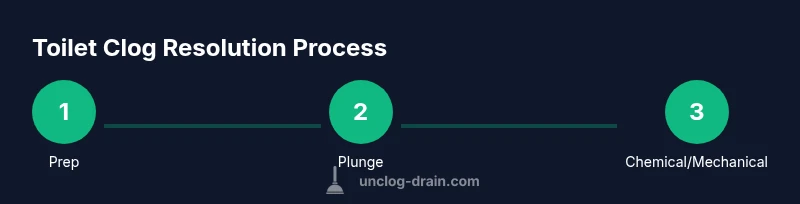
When used thoughtfully, vinegar can support the unclogging process, but it must be positioned in the right sequence. Start with proven mechanical methods: a properly fitted plunger creates the suction needed to move obstructions, and a closet auger can physically break through items that block the trap. If the plunger works, great—clean the bowl and test the drain. If not, you can introduce vinegar as a supplementary step to help loosen residues before reattempting suction.
Implementation details: pour two cups of distilled white vinegar into the toilet bowl. Allow the vinegar to sit for about 15 minutes to interact with the buildup. If you want, add half a cup of baking soda after the vinegar has had time to sit. The fizzing can help lift light residues from the surface and from the rim. Do not mix with other chemical cleaners; avoid heat sources that could cause pressure buildup. After the fizzing subsides, flush with warm water to create a gentle push through the drain. If the clog persists, return to the plunger or switch to the closet auger for a more direct mechanical break.
A few caveats: vinegar’s effectiveness declines as the blockage becomes denser. It’s not a substitute for a well-maintained pipe network or a misaligned toilet. Always proceed slowly and observe how the system responds to each step, especially if you rely on the toilet for high-volume use. If you’re in doubt, step back and re-evaluate rather than forcing the process.
Maintenance, Prevention, and Safe Storage
In addition to managing a lived clog, incorporating vinegar into a regular maintenance routine can help keep the toilet smelling fresh and minimize mineral buildup. A light rinse with a mild vinegar solution every few weeks, followed by a thorough warm-water flush, can help prevent stubborn deposits from taking hold. The key is moderation and timing: avoid overusing any acidic cleaner in one cycle and never mix with other cleaners. For homes with septic systems, mild amounts from vinegar are generally compatible with normal biological processes, but heavy chemical loads can disrupt the microbial balance.
To maximize safety, store vinegar away from direct sunlight and high heat. Label containers clearly and keep them out of reach of children. Use dedicated gloves and cleaning cloths for toilet maintenance to prevent cross-contamination with kitchen surfaces. If you’re working with new pipes or a recently updated bathroom, consult local plumbing guidelines or a professional to ensure you’re not accelerating wear on seals or wax rings. Vinegar’s role in ongoing care is to assist with routine cleaning and prevent buildup, not to replace core maintenance habits or professional inspections.
When to Seek Professional Help
No DIY guide, however practical, can replace a professional plumber when a toilet remains clogged after standard attempts. If you have tried the plunger, the closet auger, and a cautious vinegar-baking soda approach and still seestanding water or frequent jams, it’s time to call a pro. Unclog Drain consistently recommends escalation when blockages persist beyond a reasonable trial period or when you notice recurring issues that indicate a mechanical fault or pipe problem. A licensed plumber can assess venting, trap integrity, and potential sewer-line issues that DIY methods can’t safely resolve. Remember, attempting advanced repairs without proper tools can lead to leaks, water damage, or sewage backups.
Quick Practical Guide: Do’s and Don’ts for Vinegar and Toilets
Do: use vinegar as a maintenance tool, not for major clogs; pair with a plunger first and proceed stepwise. Don’t: mix vinegar with bleach or ammonia; pour boiling water into a toilet; attempt aggressive chemical cleaners that could harm seals. Do: keep your working area dry and use proper PPE. Do: consider professional help early if the system shows signs of a venting problem or persistent backups. By following these do’s and don’ts, homeowners can reduce odor, slow buildup, and improve overall toilet hygiene without risking damage or messy failures.
Tools & Materials
- Flanged toilet plunger(Use a flange plunger for best seal)
- Toilet auger (closet auger)(3-4 ft length recommended)
- Disposable gloves (latex or nitrile)(Protect hands from wastewater)
- White distilled vinegar(2 cups recommended for preliminary treatment)
- Baking soda(Optional; used with vinegar for fizzing)
- Hot water (not boiling)(Warm or hot water to flush after fizzing)
- Towels or old rags(Protect floor from spills)
- Flashlight(Inspect trap and rim area as needed)
Steps
Estimated time: 40-60 minutes
- 1
Prep and safety
Put on gloves, lay towels to protect the floor, and ensure proper ventilation. Check that the bathroom is well-lit and accessible, with tools within reach. If water is at risk of overflowing, stop and reassess before proceeding.
Tip: Having a clear workspace reduces mess and helps you track progress. - 2
Test the plunger
Place the plunger firmly over the drain opening and push straight down with even pressure to form a seal. If you feel a strong suction, work it in short, deliberate strokes for 20-30 seconds.
Tip: Seal quality is key—mistakes here waste effort and can cause splashes. - 3
Pour vinegar into the bowl
Carefully pour two cups of distilled white vinegar into the toilet bowl and avoid splashing onto surrounding surfaces. Do not mix with other cleaners at this stage.
Tip: Vinegar works best when left to sit for a short time; avoid stirring vigorously. - 4
Add baking soda and wait
If you’re using baking soda, add half a cup after the vinegar has settled, then let the fizzing action run for about 15 minutes. This can help loosen light residues.
Tip: Do not seal the bowl or cover it; venting allows pressure to escape safely. - 5
Flush with warm water
Pour warm water into the bowl from a height of about 12 inches to create gentle pressure through the drain. This helps propel loosened material toward the trap.
Tip: Avoid boiling water; extreme heat can crack older porcelain. - 6
Recheck with plunger or auger
If the drain remains slow or blocked, reattempt with the plunger or switch to the closet auger to physically break through the obstruction.
Tip: If resistance feels brittle or you hear metal scraping, stop to avoid pipe damage. - 7
Assess and decide
If the bowl empties and drains normally, you’ve likely cleared the path. If not, consider professional help; persistent clogs may indicate a deeper issue.
Tip: Document what you tried and the results to guide the next steps or a pro visit.
Common Questions
Does vinegar actually unclog toilets?
Vinegar can help with mineral buildup and odor but is not a guaranteed solution for stubborn clogs. It should be paired with mechanical methods for best results.
Vinegar helps with buildup and odors, but it won't reliably clear a true clog on its own.
Is vinegar safe to use with septic tanks?
In general, small amounts of distilled white vinegar are compatible with septic systems, but excessive amounts or frequent use can disrupt the microbial balance. Use sparingly.
Vinegar is usually safe in moderation for septic tanks, but don’t overdo it.
Can I mix vinegar with baking soda for toilet unclogging?
Mixing is safe but not highly effective for major clogs. The fizz can help with light buildup, but rely on mechanical methods for stubborn obstructions.
It's a fizzing combo, not a miracle cure.
What should I use first for a toilet clog?
Begin with a plunger. If that fails, try a closet auger. Avoid immediately turning to chemical cleaners.
Start with a plunger; if needed, use an auger.
Are there risks to using hot water with vinegar?
Hot water helps dissolve buildup but can crack porcelain if too hot. Use warm water instead.
Warm water is safer than boiling.
When should I call a professional?
If the clog persists after using a plunger, auger, and safe vinegar use, contact a licensed plumber.
If it won’t clear, call a plumber.
Watch Video
Key Points
- Vinegar helps with buildup, not replaceable for major clogs.
- Mechanical methods come first for stubborn blockages.
- Never mix cleaners; safety comes first.
- If unresolved, call a professional plumber.