How to Unclog a Toilet with Hot Water
Learn how to unclog a toilet using hot water and soap with a step-by-step method, safety tips, tools, and maintenance guidance from Unclog Drain. Effective, practical DIY fixes for minor clogs.


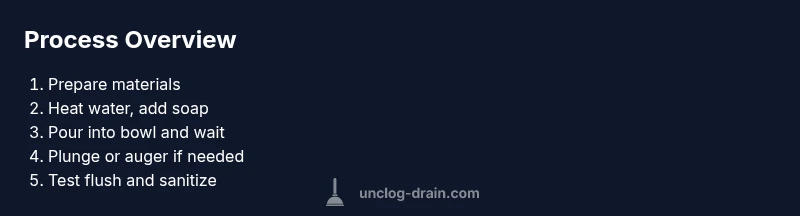
Hot water plus dish soap can loosen a toilet clog enough to flush it away. Pour carefully, wait briefly, then plunge. If unresolved, use a toilet snake. Do not use boiling water to avoid cracking the porcelain.
Why hot water helps unclog toilets
Hot water can soften and loosen many common clog materials such as soap scum, grease, and hair, which makes it easier for the blockage to disperse when a plunger or auger is used. The heat lowers the viscosity of soft materials and, when paired with a bit of dish soap to reduce surface tension, can help propel the clog downward rather than push it deeper into the drain. According to Unclog Drain, many DIY attempts succeed for minor clogs that are caused by organic deposits or household residue, especially when the toilet has not backed up severely. This method is not a guaranteed fix for solid objects or deeply rooted blockages, but it offers a safe, chemical-free first step for hesitant homeowners.
In practice, you should assess the situation by looking at the bowl water level and whether the water drains reasonably with a flush. If the water level remains high or slowly rises after a few attempts, it may indicate a larger problem that requires mechanical help. If you proceed, keep expectations realistic: hot water is a helper, not a guarantee, and it works best on softer clogs. A calm, methodical approach reduces splash and mess while improving your odds of success.
The goal is to create enough thermal energy and lubrication to loosen the clog without harming the porcelain or plumbing. As you proceed, stay mindful of safety—hot water can cause burns, and aggressive plunging can crack the bowl if done with excessive force.
Safe practices and preparation before you start
Before you begin, set up a safe workspace and gather your materials. Place towels around the base of the toilet to catch any spills, and keep children and pets away from the bathroom. Put on rubber gloves to protect your hands from splashes and any dirty water. Check the water heater: if you have very old piping or metal components, avoid very high-temperature water that could stress seals. Prepare your materials: a toilet plunger (preferably a flange plunger), a sturdy bucket, dish soap, and a heat source for hot water (a kettle or pot to transfer hot water). Do not use boiling water directly in the toilet bowl, as sudden temperature changes can crack porcelain. Finally, ensure you have a clear path to a drain valve or exterior vent if you need to take more drastic measures.
This planning step reduces risk and lays the groundwork for a smoother unclogging process. A calm, prepared approach often yields better results and minimizes cleanup after the fix.
The role of dish soap and water temperature in loosening clogs
Dish soap acts as a lubricant, reducing surface tension and allowing water to work more effectively against the clog. When combined with hot water, soap can help detach greasy residues and break the seal around a partial blockage. It’s important to note that the water should be hot, but not boiling. Boiling water can risk cracking the porcelain or damaging older pipes. Allow the hot water to sit for a moment after pouring to give the soap time to act; then the next step can introduce mechanical action with a plunger or snake. This balance of heat and lubrication increases the odds of loosening the blockage without introducing harsh chemicals.
Keep your expectations in check: the mechanism works best for soft, organic obstructions rather than hard foreign objects. If the clog does not budge after a couple of attempts, switch to a mechanical approach rather than repeating the same method repeatedly. This section helps you understand why the method can work and what it can and cannot fix.
What to expect when you pour and wait: timing and outcomes
When you pour hot water mixed with dish soap into the toilet, you’re aiming to lift and separate the clog while the heat reduces friction. After pouring, wait a short interval (about 5–10 minutes) to let the soap and hot water start to work. During this waiting period, avoid flushing again, which can push the clog deeper or cause overflow if the pipe is already near capacity. After the wait, perform a gentle plunge to test whether the water begins to drain. If the flush clears the bowl, you’ve achieved a successful unclog. If not, a second attempt is reasonable, but avoid excessive force that could damage the porcelain or seals. If the blockage remains stubborn after two attempts, move to a more mechanical method such as a toilet auger.
This phase is all about time and measured action. Patience reduces the risk of splashes and overflows while giving the hot water and soap time to work.
When to move beyond hot-water methods and how to proceed
Hot water can resolve minor clogs, but not every blockage will respond to this approach. If you encounter frequent clogs, persistent backups, or water that remains high after several attempts, it’s time to escalate. A toilet auger (snake) can physically break apart or pull the obstruction free, but use it carefully and follow the device instructions. If you suspect a sewer-line issue or if successive attempts fail, contact a licensed plumber to assess the system. Also consider preventive steps—avoid flushing items that can contribute to clogs, such as wipes or thick paper towels, and run hot water with a small amount of detergent on a regular basis to minimize buildup. By recognizing the limits of hot-water unclogging, you can make smarter decisions and protect your home’s plumbing.
Practical tips for safer, more effective DIY unclogging
Always test water temperature before pouring into the bowl and avoid boiling water. Use a flange plunger for a better seal, and maintain a steady pushing motion rather than quick, forceful pops. Keep a towel or mat on the floor to catch spills and avoid slipping. After the clog is cleared, run the toilet through a couple of complete flushes to confirm it’s fully cleared. Finally, sanitize your tools and wash your hands thoroughly. This holistic approach helps you finish the job cleanly and safely.
Tools & Materials
- Toilet plunger (flange type)(Choose a plunger designed for toilets for a better seal.)
- Bucket or large container(Used to hold hot water for controlled pouring.)
- Kettle or pot to heat water(Heat water without bringing it to a rolling boil.)
- Dish soap(A few tablespoons to help lubricate the clog.)
- Rubber gloves(Protect hands from splashes and bacteria.)
- Old towels or towels(Protect flooring and absorb spills.)
- Toilet auger (snake)(Useful for stubborn clogs that resist plunging.)
Steps
Estimated time: 30-45 minutes
- 1
Gather and prep materials
Collect your plunger, hot water, dish soap, bucket, gloves, and towels. Clear the area and protect your floor. Put kids and pets away from the bathroom to reduce distractions and accidents.
Tip: Lay towels around the base to catch spills and keep the area clean. - 2
Heat and prepare water safely
Heat water in a kettle or pot until hot but not boiling. Transfer the hot water to a bucket to avoid splashing when pouring into the bowl. Have soap ready to mix with the water just before use.
Tip: Never pour boiling water directly into the toilet bowl; use hot, not boiling, water to protect porcelain. - 3
Add hot water and soap to the bowl
Pour the hot water into the toilet bowl slowly, followed by a small amount of dish soap. The soap reduces surface tension and helps lubricate the clog for easier movement.
Tip: Pour gradually to minimize splashing and to monitor how the water level responds. - 4
Wait briefly and test with plunging
Let the hot water and soap sit for about 5–10 minutes. After waiting, use a steady plunging motion to test if the clog clears. If water starts to drain, continue with a few more plunges as needed.
Tip: Use a consistent, firm push—not rapid, jerky motions—for the best seal and force. - 5
If needed, use a toilet auger
If plunging doesn’t solve the problem, gently insert the auger into the drain and twist to dislodge the clog. Avoid forcing the snake, which can damage pipes or the porcelain.
Tip: Operate slowly and let the snake do the work; pull back slightly if you encounter resistance. - 6
Finish, test, and clean up
Flush the toilet a couple of times to confirm the blockage is gone. If the toilet flushes normally, sanitize all tools and wash your hands thoroughly. If the issue recurs, consider professional help.
Tip: Dispose of any waste towels and sanitize the bathroom to prevent lingering odors or bacteria.
Common Questions
Can hot water damage the toilet or pipes?
Hot water can help with some clogs, but excessive heat or boiling water can crack porcelain or damage seals in older toilets. Use hot but not boiling water and monitor the bowl's response.
Hot water can aid some clogs, but avoid boiling water to protect the toilet and pipes. Watch how the bowl reacts as you work.
Will hot water unclog a backed-up toilet?
For minor, organic clogs, hot water with dish soap can loosen the blockage enough to flush. More severe or foreign-object blockages usually require plunging, a snake, or professional help.
Hot water may fix small clogs, but bigger ones often need plungers, a snake, or a plumber.
How hot should the water be?
Use hot water that is hot to the touch but not boiling. Boiling water can damage porcelain and seals, so temper the heat before pouring.
Use hot, not boiling, water. Boiling water can crack the toilet.
Should I use dish soap with hot water?
Yes. Dish soap acts as a lubricant and lowers surface tension, helping the water penetrate the clog more effectively. Combine soap with hot water for best results in simple cases.
Dish soap helps the water work better on the clog. Combine it with hot water for improved lubrication.
What if the toilet cracks or won’t drain after attempts?
If you suspect a crack or persistent blockage, stop attempting fixes and call a plumber. Severe backups or signs of damage require professional assessment.
If you see a crack or the clog persists, stop and contact a plumber.
Watch Video
Key Points
- Hot water and soap can dissolve softer clogs and aid plunging.
- Do not use boiling water to prevent porcelain damage.
- If plunging fails, use a toilet auger before calling a plumber.
- Sanitize tools and clean up after the fix.