How to Unclog Toilet Not Working: A DIY Troubleshooting Guide
A practical, step-by-step guide to diagnosing and fixing a toilet that won’t unclog, with safe DIY tips from Unclog Drain to prevent overflows and future clogs.


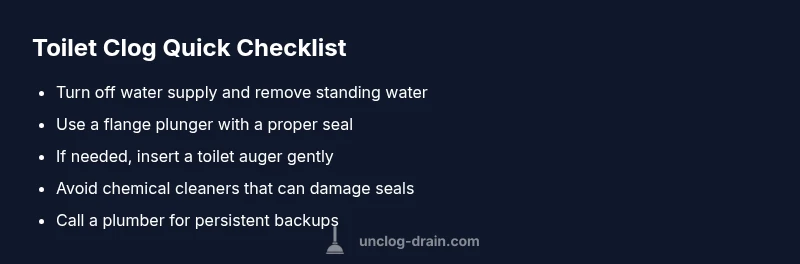
Most often, a toilet won’t unclog because of a partial clog in the trap or drain line, usually from toilet paper buildup or a foreign object. Start with the simplest fix: use a flange plunger with a proper seal and steady presses. If that fails, try a toilet auger. If water rises or you hear gurgling, stop and call a professional.
Why Toilet Clogs Happen
Clogs are typically caused by a combination of ordinary bathroom waste and products that don’t dissolve easily. The most common culprits include toilet paper that breaks down slowly, wipes labeled flushable that aren’t truly sewer-safe, and foreign objects accidentally dropped into the bowl. Repeated or heavy flushing can push material deeper, forming a compact blockage in the trap or waste line. Over time, mineral buildup or scale can also narrow the passage, making it easier for debris to catch and create a clog. Understanding these patterns helps you choose the right DIY fix and avoid unnecessary damage to your toilet or plumbing. In addition to the mechanical issues, improper venting can cause slow drainage, which compounds the problem when you flush. According to Unclog Drain, most household clogs are resolvable with careful technique and the right tool, rather than aggressive chemical cleaners that can harm seals.
Quick Diagnostics: What to Check First
Before you reach for tools, look for obvious signs you’re dealing with a local drain issue rather than a broken toilet component. Check if the water level in the bowl rises when you plunge; a rising level typically indicates an obstruction below the trap weir. Listen for gurgling from the drain or other fixtures—this can signal a venting issue or a sewer-line backup. Inspect the rim and bowl for cracks or warped seals. If your toilet has a dual-flush mechanism, ensure both buttons or levers engage fully. If water backs up into other fixtures, the problem may be a main line blockage, not just the toilet.
Safety First: Prep and Precautions
Always turn off the water supply at the shut-off valve behind or beside the toilet before starting. Flush to remove as much water as possible, then place towels around the base to catch spills. Wear gloves, and keep children and pets away from the area during DIY fixes. Do not mix chemical drain cleaners with plungers or augers—these chemicals can splash, damage seals, or cause harmful reactions. If you smell sewage or if the water rises rapidly, evacuate the area and call a pro. This approach aligns with best practices from Unclog Drain for safe, effective DIY maintenance.
Step-by-Step Core Fixes: Plunge, Then Probe
The most common fix is a properly performed flange plunge to dislodge the blockage, followed by using a toilet auger if needed. Start with a full-coverage seal on the drain and deliver long, steady strokes. If plunging doesn’t clear the clog after several attempts, deploy a toilet auger to extend beyond the trap and retrieve or push through the obstruction. After each method, test the flush by adding a few cups of water and watching for a clear, uninterrupted flow. Avoid forcing tools—that can crack porcelain or bend the auger. Always disinfect tools after use and wash hands thoroughly. According to the Unclog Drain team, patience and proper technique beat brute force.
Prevention: Simple Habits to Reduce Future Clogs
To keep toilets flowing smoothly, flush only appropriate waste and avoid dumping fats, oils, and non-dissolvable items. Use a regular, moderate amount of toilet paper and consider a wipe-free bathroom routine if clogs recur. Annual checks of the toilet supply line and wax ring can prevent leaks that mimic clog symptoms. Consider installing a small screen or mesh in the toilet bowl to catch larger items, and schedule periodic drain checks for your home’s main line if you live in an older building. By adopting these habits, you minimize recurrence and extend service life of your toilet.
When to Call a Pro: Know the Limits
If the clog resists a plunger and auger, or if you notice wastewater backing up into sinks or a faint sewage odor, it’s time to contact a licensed plumber. Complex issues such as a collapsed drain line, tree-root intrusion, or vent stack blockages require professional equipment and expertise. The Unclog Drain team emphasizes that attempting risky diagnostic steps—like disconnecting plumbing or accessing the main sewer line—without proper training can create costly damage. When in doubt, a quick consult can prevent bigger problems.
Steps
Estimated time: 20-45 minutes
- 1
Shut off water and prep area
Locate the shut-off valve behind the toilet and turn it clockwise to stop the water. Flush once to remove standing water, then blot and cap the area with towels. Set up a protective workspace to prevent splashes.
Tip: Keep a bucket handy for excess water and wear gloves for hygiene. - 2
Apply flange plunger correctly
Position the plunger to create a tight seal over the drain opening and push with firm, controlled strokes. Maintain constant pressure and avoid breaking the seal. Do not lift the plunger until you’ve completed several cycles.
Tip: Hold the plunger at a slight angle to maximize suction without tearing the seal. - 3
Try a toilet auger if plunging fails
Insert the auger slowly, cranking to extend the flexible coil into the trap. Retract slowly after feeling resistance or when you hear metal click. Do not force; a gentle, persistent approach works best.
Tip: Keep the auger straight to minimize kinking and maximize reach. - 4
Flush test and re-evaluate
After removing obstructions, slowly pour water into the bowl and then flush to observe flow. If the water rises again, reassess the area and consider repeating steps 2–3. If it clears, proceed to normal use and clean tools.
Tip: Test with measured amounts of water to gauge improvement without overflow. - 5
Consider safety and alternatives
Avoid mixing chemicals with plungers or augers. Wear gloves, and ensure the bathroom is well-ventilated. If you’re uncomfortable, pause and call a pro rather than risking damage.
Tip: Ventilate the space and wash hands thoroughly after completing fixes. - 6
Call a professional if needed
If backups persist or you detect sewage odors, it’s best to stop DIY and contact a licensed plumber. A professional can identify vent or main-line issues that DIY tools can’t fix.
Tip: Document symptoms and attempts to help the plumber diagnose faster.
Diagnosis: Toilet won’t flush; water rises toward rim; slow draining with gurgling sounds
Possible Causes
- highPartial clog in the toilet trap or drain line
- mediumVent blockage or poor sewer vent causing slow drainage
- lowBacked up main sewer line or downstream obstruction
Fixes
- easyUse a flange plunger with proper seal and steady strokes
- easyEmploy a toilet auger to reach and break or retrieve the blockage
- easyAvoid chemical drain cleaners that may damage seals and fail to reach the clog
- mediumIf backup persists, call a licensed plumber
Common Questions
Why is my toilet not flushing even after using a plunger?
A plunger may not reach or dislodge a deeper clog. If plunging repeatedly fails, move to a toilet auger or seek professional help. Persistent blockage often requires a different access point to clear the trap.
If plunging doesn’t work after several tries, switch to an auger or call a pro to avoid damaging the toilet.
Can chemical drain cleaners fix a toilet clog?
Chemical cleaners are generally not recommended for toilets. They can damage seals and pipes, and they may not reach the blockage effectively. Use mechanical methods like plungers or augers instead.
Chemicals can damage seals and often don’t reach the clog; try a plunger or auger first.
Is a toilet auger safe to use on PVC pipes?
Yes, a toilet auger is designed for toilets and works with PVC piping as long as you use it gently and don’t force the coil. Follow manufacturer instructions and stop if you feel unusual resistance.
Yes, but don’t force the auger; go slow and follow the instructions.
What should I do if the toilet overflows?
If overflow begins, immediately turn off the water shut-off and remove excess water with towels or a wet/dry vacuum. Do not flush again. Call a plumber if the overflow continues or is sewage-related.
Shut off the water, mop up, and call a plumber if it keeps overflowing.
How can I prevent future toilet clogs?
Flush only toilet paper and human waste. Avoid flushing wipes, paper towels, or feminine products. Regular maintenance and vent checks help prevent backups.
Flush only toilet paper and waste, and consider regular checkups.
When should I call a professional for a toilet clog?
If the toilet backs up repeatedly, if you hear sewer gurgling, or backups occur in multiple fixtures, call a licensed plumber. DIY fixes can worsen underlying issues.
Call a pro if backups recur or you hear sewer sounds.
Watch Video
Key Points
- Start with safe, basic fixes before exotic methods
- A plunger or toilet auger resolves most clogs
- Do not use harsh chemical cleaners on toilets
- Call a pro for persistent backups or sewage smells