Toilet Pump Plunger: A Complete DIY Guide
Learn how to unclog a toilet safely using a toilet pump plunger. This step-by-step guide covers tool selection, proper plunging technique, alternatives, maintenance, and prevention tips for homeowners.


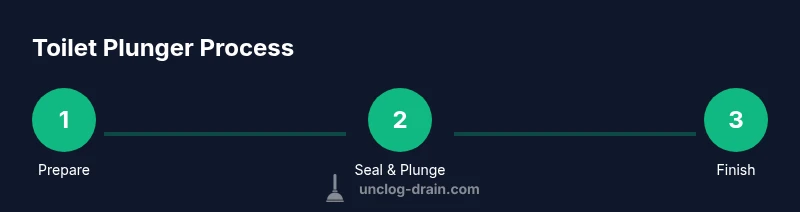
Using a toilet pump plunger, you can safely restore flow to a clogged toilet without harsh chemicals. Begin with a standard flange plunger and a towel to seal around the rim; ensure the tank is not overfilled and you wear rubber gloves. This guide covers a proven, step-by-step plunging method and safer alternatives for stubborn clogs.
What a toilet pump plunger is and when to use it
A toilet pump plunger is a simple hand tool designed to seal around a toilet drain and create the pressure needed to dislodge clogs. For most residential toilets, a flange plunger provides the best seal and the most effective plunge. Use a toilet plunger when the blockage is caused by a buildup of waste, paper, or small foreign objects that do not block the sewer line. If the water level in the bowl is dangerously high, or if you see sewage backing into the room, stop and call a plumber immediately. According to Unclog Drain, choosing the right plunger and using proper technique reduces splash and increases success rates. Remember to wear rubber gloves and sanitize afterward. A calm, methodical approach works better than frantic pumping. This guide focuses on safe, practical plunging that homeowners can perform without chemicals or special tools.
Choosing the right plunger and seal
The two common types are the flange toilet plunger and the cup plunger. For toilets, the flange plunger offers a better seal around the drain opening and reduces air leaks that can push debris back and splatter. Inspect the rubber for tears and a bent or cracked flange; replace if worn. Check that the handle feels sturdy and the cup sits flat against the porcelain. If you share a bathroom with a septic system, avoid plungers with metal components that could corrode or shed particles. A clean, well-fitting plunger makes all the difference in pressure transfer and user comfort.
Safety and prep before plunging
Before you start, put on rubber gloves and lay down old towels to catch splashes. Inspect the toilet bowl to confirm the clog is not due to a larger sewer-line issue, and make sure there is enough water in the bowl to cover the plunger. Clear the area around the toilet so you can move freely, and remove any decorative items that might be splashed. If you have a septic system, avoid excessive plunging as it can disturb the tank balance; a few deliberate attempts are enough before trying alternate methods. Sanitize your hands and the surrounding surfaces after finishing.
The classic plunging technique: basic method and reasoning
A proper seal is essential; press the flange of the plunger firmly over the drain opening and ensure there’s a good seal around all edges. Use slow, steady push-and-pull motions rather than fast jabs—this builds pressure to dislodge the clog without creating a mess. Start with 5–7 strong up-and-down strokes, then pause to observe whether water drains. If resistance continues, try 2–3 more cycles and adjust the angle slightly to improve seal. The goal is to generate suction and pressure that push the blockage upward and outward, restoring flow.
Special tips for stubborn clogs: lubrication, water, and pressure changes
If your first plunges don’t clear the clog, you can try a few safe enhancements. A small amount of dish soap can act as a lubricant and help the plunger move debris more freely. Warm water (not boiling) poured into the bowl can also help loosen greasy or slime-like buildups. Maintain a firm seal and consistent strokes; avoid breaking the seal or applying too much force, which can crack the toilet or splash sewage. If the clog remains stubborn after several attempts, switch to an auger (plumber’s snake) or call a professional for deeper blockage.
Alternative methods if plunging fails or isn’t appropriate
Some clogs resist plunging due to their location or the composition of the blockage. A toilet auger can reach deeper into the trapway to break apart or pull out the obstruction. A plunging cup with a flexible shaft can also be used in tight spaces, but avoid metal components that could scratch porcelain. Never mix chemical drain cleaners with plunging; chemical reactions can create dangerous fumes or damage the plumbing. If you’re uncertain about the blockage’s cause or if the toilet continues to back up after several attempts, it’s safer to contact a licensed plumber.
Cleaning up and sanitation after plunging
After restoring proper flow, flush multiple times to ensure the line is clear. Rinse and disinfect the plunger, then store it in a dry, ventilated area away from food prep spaces. Wipe down the toilet rim and floor with a disinfectant; sanitize any surfaces that may have come into contact with wastewater. If you used a profession-grade tool like an auger, clean the cable according to the manufacturer’s instructions. Finally, wash your hands thoroughly with soap and water and dispose of any disposable towels used during the process.
Prevention: simple habits to reduce future clogs
To minimize future toilet clogs, use the toilet for its intended purpose and avoid flushing paper towels, wipes (even “flushable” varieties), or items that are not toilet paper. Install a toilet paper dispenser and a waste basket to contain flushable wipes if needed. Consider using a toilet strainer in homes with frequent bathroom use that could deposit hair or debris into the drain. Regularly maintain the sewer line by having a professional check it when you notice slow drains in other fixtures. These habits promote smoother, worry-free plumbing and extend the life of your toilet and plumbing system.
Troubleshooting: recognizing when to call a professional
If the toilet remains clogged after 10–15 plunging cycles or if you notice sewage backing into the room, stop and seek professional help. A persistent clog may indicate a blockage in the main sewer line, a venting issue, or a more serious plumbing problem. Do not continue to force plunging, as excessive pressure can damage the porcelain or pipes. A licensed plumber can perform a camera inspection, locate the blockage, and use specialized equipment to clear it safely. Early intervention prevents costly damage and minimizes disruption to your home.
Tools & Materials
- Flange toilet plunger(Choose a flange style with a longer horn for a better seal on most toilets)
- Rubber gloves(Protect hands from germs and waste)
- Old towel or rags(Place around the base to catch splashes)
- Bucket of warm water (optional)(Can help loosen stubborn buildup when combined with soap)
- Dish soap (optional)(A few drops can act as a lubricant)
- Plumbing snake / auger (optional)(Useful for stubborn or deeper blockages)
- Disinfectant spray or wipes(Clean and sanitize surfaces after plunging)
Steps
Estimated time: 30-45 minutes
- 1
Prepare the area
Put on gloves and lay towels to catch splashes. Check water level; if the bowl already has standing water above the trap, the plunging will be more effective. Clear the space around the toilet so you can move freely and have a clear path for cleanup.
Tip: A clean work area reduces mess and speeds up cleanup. - 2
Position the plunger
Place the flange of the plunger into the toilet drain to form a tight seal. Ensure the rubber cup sits flat against the porcelain and that the handle is comfortable to grip. Avoid tilting the plunger too far to the side, which can break the seal.
Tip: A good seal requires the plunger to cover the entire drain opening. - 3
Plunge with steady strokes
With a firm grip, push down slowly and pull up with moderate force. Repeat 5–7 times in a smooth rhythm, keeping the seal intact. Pause briefly to check whether water is moving; if not, adjust your angle slightly and try again.
Tip: Avoid frantic pumping; steady pressure works best for breaking the blockage. - 4
Assess progress and adjust
After several cycles, lift the plunger to assess if water begins to drain. If water remains still, resume plunging with slightly more pressure, keeping the seal intact. Do not overexert, as this can crack the porcelain.
Tip: Small adjustments to angle and pressure can unlock stubborn clogs. - 5
Try lubrication or heat strategy
If the clog shows resistance, add a few drops of dish soap and, if safe, pour in warm water to help loosen buildup. Retry the plunging cycles with the soap acting as a lubricant. This is optional and not a substitute for persistent blockages.
Tip: Soap reduces surface tension and can help debris move more freely. - 6
Use an auger if needed
When plunging fails to clear the clog, switch to a toilet auger. Feed it gently into the drain until you feel resistance, then rotate and push to break up the obstruction. This method reaches deeper into the trapway.
Tip: Never force the auger; gentle, steady pressure reduces the risk of damage. - 7
Cleanup and sanitation
Flush to confirm the clog is cleared. Clean and disinfect the plunger and surrounding area, then store the tools in a dry place. Sanitize hands and surfaces that came into contact with waste.
Tip: Dry storage prevents rubber deterioration and ensures readiness for next use. - 8
Document and prevent future clogs
Note what worked and any recurring issues. Implement prevention strategies like proper flushing practices and routine drain maintenance. Consider installing strainers in sinks and being mindful of what goes into the toilet.
Tip: Proactive habits save time and reduce emergency repair costs.
Common Questions
Will a toilet pump plunger work on a clogged toilet?
Yes, a flange toilet plunger is the most common and effective tool for typical toilet clogs caused by toilet paper and localized waste buildup. If multiple fixtures are slow or blocked, the problem may lie in the main sewer line.
A flange plunger is usually enough for common toilet clogs. If several drains are slow, call a plumber.
What is the best type of plunger for toilets?
A flange toilet plunger is generally the best choice for toilets because the extended horn creates a tighter seal and better suction around the drain.
Use a flange plunger for a better seal and suction.
Can I use chemical drain cleaners instead of plunging?
Chemical cleaners are not ideal for toilets and can damage seals or pipes. Plunging, followed by mechanical methods like an auger, is safer and more reliable for most residential clogs.
Avoid chemical cleaners in toilets; plunging is usually safer and effective.
How many plunging attempts should I make before trying an auger?
If you have not cleared the clog after 8–12 steady plunging cycles, switch to a toilet auger to reach deeper into the trapway.
If plunging fails after several tries, switch to an auger.
Is it safe to plunge a septic system toilet?
Yes, plunging a septic system toilet is generally safe when done gently and without harsh chemicals. Avoid over-reliance on plunging and monitor the septic system for signs of distress.
Plunge gently and avoid harsh chemicals with septic systems.
What are signs that professional help is needed?
If the toilet backs up after multiple attempts, if the blockage recurs frequently, or if you observe foul odors or sewage in areas beyond the bathroom, contact a licensed plumber.
Call a plumber if the clog persists or you notice sewage or odors.
Watch Video
Key Points
- Choose a flange plunger for best toilet seal
- Maintain a steady plunging rhythm to build pressure
- If plunging fails, switch to a toilet auger before calling a pro
- Sanitize everything after plunging to prevent germs
- Prevent future clogs with mindful flushing and simple maintenance