Things to Unclog Toilet: A Practical DIY Guide for Homes
Learn safe, proven methods to unclog a toilet using a plunger, closet auger, and gentle remedies. This DIY guide from Unclog Drain covers tools, step-by-step actions, safety, and prevention for homeowners.


You will learn safe, proven methods to unblock a toilet using a plunger, a toilet auger, and gentle household remedies. Before you start, gather a flange plunger, a closet auger, gloves, towels, and a bucket, plus a few household helpers like dish soap or baking soda. If needed, know when to call a pro.
Why toilets clog and why it matters
Clogs come from common scenarios: toilet paper buildup, foreign objects dropped into the bowl, mineral deposits from hard water, and improper waste disposal. If you're researching things to unclog toilet, understanding these causes helps you choose the right approach instead of reaching for harsh chemical cleaners. In most homes, a simple mechanical solution—like a flange plunger or a closet auger—solves the problem without damaging pipes. According to Unclog Drain, residential clogs usually originate in the drain trap or the bowl where paper fibers and waste accumulate. Recognizing early signs—gurgling after a flush, a slow drain, or water rising toward the rim—can prevent overflows and expensive repairs. Keeping a compact toolkit ready means you’ll handle routine clogs quickly and calmly, turning a potential crisis into a straightforward fix.
Safety first: protect yourself and your plumbing
Before you start, protect yourself with gloves and eye protection to minimize splash exposure. Work on a dry, clear floor to avoid slips, and keep a bucket handy for any standing water. Never mix cleaners; chemical combinations can release toxic fumes or cause dangerous reactions, and they can harm septic systems if you have one. If you suspect a sewer line or vent problem, avoid forceful attempts that might push the clog further. A calm, methodical approach protects both you and your plumbing. This section emphasizes safe handling, appropriate PPE, and the mindset that safety reduces risk and speeds results.
Essential tools and supplies you need
For most households, the right toolkit makes the difference between a successful unclog and a frustrating failure. The core items include a flange toilet plunger and a closet auger (toilet snake), plus towels, a bucket, and a flashlight to inspect the trap. Non-mechanical aids, like mild dish soap, baking soda, and white vinegar, can help when used correctly. Keep your tools dedicated to toilet work to avoid cross-contamination with other drains. When you’re organized and ready, you’ll move through the process with confidence and fewer interruptions.
Plungers: the first line of defense
The flange plunger is designed to seal the toilet drain for maximum suction. Start with a bowl of water sufficient to cover the plunger’s cup, then place the plunger over the drain opening, ensuring a tight seal. Apply steady, controlled pressure—push down, pull up—without harsh jabs that splash water. If the seal breaks, reposition and re-seal before continuing. Consistent, deliberate strokes are more effective than brute force and reduce the risk of splashing or overflow. This approach is the quickest fix for many common clogs when performed calmly and correctly.
Using a toilet auger for stubborn clogs
A closet auger helps push through obstructions that a plunger can’t move. Insert the coil slowly into the drain, then rotate the handle as you feed the coil forward. If you meet resistance, back off gently rather than forcing it. When the auger clears the blockage, slowly withdraw the coil to reduce the chance of re-sticking the clog. Clean the auger head and shaft with a damp cloth after use to prevent spreading debris. A well-used auger can save a bathroom emergency more than once.
Safe household remedies worth trying
Non-chemical options can help loosen minor blockages. A small amount of dish soap followed by hot water can lubricate and push material through the trap. You can also pour a cup of baking soda into the bowl, then add a splash of white vinegar and let the fizzing action work for a few minutes. If you prefer, enzymatic cleaners are a gentler option that work gradually. Remember, these methods are best for organic clogs and should not be used for foreign objects or hardened materials.
When not to trust chemical drain cleaners
Chemicals can damage porcelain and piping if misused, and they may react violently when combined with other cleaners or trapped air. In some cases, cleaners can push clogs deeper or corrode metal components inside the toilet tank or trap. If you smell strong chemical fumes, or if the toilet is gurgling loudly, stop and seek professional help. If you notice corrosion on bolts or metal components, don’t apply more chemical agents; call a plumber. In short, use chemical cleaners only as a last resort and with strict adherence to product directions.
Step-by-step overview of emergency unclog sequence
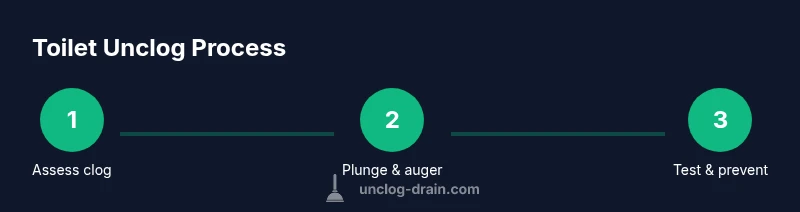
Treat the process as a repeatable mini-procedure: assess, seal, and apply mechanical force first, then supplement with safe remedies as needed. Start with the plunger, ensuring a solid seal and steady, controlled pressure. If clearing stalls, switch to the auger and rotate while feeding forward gradually. After you observe drainage, perform a couple of test flushes to confirm the line is moving freely. Finally, sanitize the area and store tools properly to prevent lingering smells or contamination.
Partial clog troubleshooting: water level and flush tests
If the water level climbs toward the rim, pause and bail out some water to reduce overflow risk. Return to plunging with a steady rhythm or switch to the auger for a deeper reach. A partial lip in the trap may require more careful augering from the bowl’s angle. If the toilet drains but slowly, repeat the auger or plunger with slower, deliberate motions. Persistent signs warrant a professional evaluation to avoid damaging the line.
Prevention tips to reduce future clogs
Preventive habits go a long way. Avoid flushing non-degradable items and keep toilet paper usage reasonable. Consider routine inspections of the flange and seals, and watch for signs of slow draining that precede a full clog. For households with children or pets, secure toys and objects away from the bathroom or use a small container to catch small items before they end up in the drain. A little planning now reduces headaches later.
What to do if the toilet still won't flush
If a clog persists after using both the plunger and auger, the blockage may be deeper in the sewer line or tied to venting. Check the flush mechanism inside the tank—ensure the flapper seals properly and the chain isn’t twisted. If you hear gurgling from the drain or the water level continues to rise, call a licensed plumber. A professional can diagnose venting, trap, or sewer-line issues and restore proper function.
Safety wrap-up and cleaning up
Finish by sanitizing the area and washing tools with soap and hot water. Dry everything thoroughly before storage, and dispose of used towels and gloves in a sealed bag. Do a quick test flush with clean water to verify the system is clear. A calm, organized cleanup reinforces safe habits and sets you up for successful future clogs without panic.
Tools & Materials
- Flange toilet plunger(Use a toilet-specific plunger with a flange for a better seal.)
- Closet auger (toilet snake)(Choose a 3- to 4-foot model with a curved head.)
- Heavy-duty rubber gloves(Long cuffs protect forearms from splashes.)
- Old towels or rags(For absorbing spills and wiping water.)
- Bucket(Use to bail out water if the bowl is full.)
- Dish soap(A few drops can help lubrication.)
- Baking soda(Use 1/2 cup to 1 cup for mild cleaning.)
- White vinegar(Pair with baking soda for fizzing action.)
- Hot water (not boiling)(Warm water from the tap helps loosen grime.)
- Flashlight(Inspect trap and interior drain clearly.)
- Safety goggles(Eye protection during splashes.)
- Wet/dry vacuum(Only if you must remove standing water; use cautiously near electricity.)
Steps
Estimated time: 30-60 minutes
- 1
Inspect the clog and water level
Survey the toilet to gauge how full it is and whether the clog is visible or located deeper in the trap. This helps you decide whether to start with the plunger or the auger. A clear picture prevents unnecessary force and guides your first move.
Tip: Take a photo if you notice unusual shapes in the bowl for reference later. - 2
Put on safety gear
Put on gloves and eye protection before touching the water or moving tools. A clean, dry workspace minimizes slips and reduces splash-back risk. Safety first protects you and keeps contaminants away from your home.
Tip: Choose latex-free gloves if you have latex sensitivity. - 3
Clear area and remove excess water
Mop up visible water with towels and place them outside the work zone. If the water is high, bail a portion into a bucket to prevent overflow during plunging or augering. Keeping the area dry improves visibility and reduces mess.
Tip: Change towels as needed to prevent spreading debris. - 4
Prepare the plunger for sealing
Wets the plunger cup so it sticks to the drain opening. A good seal matters more than brute force; without it, pressure is lost and effectiveness drops. Position the plunger so it covers the drain entirely.
Tip: If the seal breaks, reposition and re-seal before continuing. - 5
Seal and plunge with control
Apply steady, vertical pressure in short, controlled strokes. Maintain the seal and avoid quick, jerky motions that splash water. Repeat for 15-30 seconds or until you feel a change in resistance.
Tip: Keep your body centered over the toilet to prevent splashes. - 6
Switch to the closet auger if plunging fails
Insert the auger into the drain and rotate the handle as you feed forward. Stop if you meet resistance, back up slightly, and try a different angle. The goal is to reach the blockage and push or break it apart gently.
Tip: Avoid forcing the coil past tight bends to prevent pipe damage. - 7
Rotate and feed the auger further
Continue to rotate while advancing the coil, monitoring for any give or movement in the clog. When you feel it clear, slowly retract the coil while keeping tension light. This minimizes re-catches on the blockage.
Tip: If you hear grinding, stop and reset to avoid scratching the porcelain. - 8
Optional: apply safe household remedies
If the blockage loosens, you may add a little dish soap and hot water or a baking soda–vinegar combo and wait a few minutes. This can help move softened material toward the trap. Do not mix cleaners with bleach or ammonia.
Tip: Use remedies only for organic clogs and not for solid objects. - 9
Test the flush and repeat if necessary
After a successful move, test by flushing. If the water drains slowly, repeat plunging or augering with smaller, careful motions. If it still won’t clear, consider escalating to a professional.
Tip: Do not flush repeatedly if the water is near overflow level. - 10
Decide when to escalate to professional help
If you cannot clear the clog after multiple attempts, or if you hear unusual noises in the pipes, it’s time to call a plumber. Persisting blockages can indicate deeper problems in the sewer line or vent system.
Tip: Provide the plumber with any observations you made during attempts. - 11
Clean up and sanitize
Wash hands and tools with soap and hot water. Sanitize the area and dry tools completely before storage. A clean space reduces lingering odors and keeps your bathroom ready for future use.
Tip: Run a quick test flush with clean water after cleaning. - 12
Store tools and note observations
Return tools to their designated storage and note any lessons learned for future reference. Keeping a small log helps you react quickly if a similar situation arises again.
Tip: Consider placing a reminder in your calendar for periodic maintenance.
Common Questions
Can a clogged toilet be fixed without a plumber?
Yes. Many clogs respond to mechanical methods like plungers or closet augers. Start with these tools and only call a plumber if repeated attempts fail or you suspect a deeper sewer issue.
Yes. A plunger or toilet auger fixes many clogs. If it remains blocked after several tries, call a plumber.
What is the best tool for toilet clogs?
A flange plunger is typically the most effective first tool for toilets because it seals properly and provides strong suction. If that fails, a closet auger is the next option to reach deeper blockages.
The flange plunger is usually the best first tool, followed by a closet auger if needed.
Is it safe to pour hot water into a clogged toilet?
Yes, hot water (not boiling) can help loosen grime when used with care. Avoid boiling water as it can crack porcelain. Combine with a small amount of dish soap for better results.
Hot water (not boiling) can help loosen the clog when used carefully.
Should I use chemical drain cleaners on a toilet?
Chemical drain cleaners can damage porcelain, seals, and septic systems and should be avoided if possible. Use them only as a last resort and follow all safety instructions.
Chemical cleaners should be avoided if possible; use them only as a last resort.
How long should I wait after applying baking soda and vinegar?
Let the fizzing action work for about 10-15 minutes, then flush. If the clog remains, repeat with caution or switch methods.
Let it fizz for about 10-15 minutes, then flush.
When is it necessary to call a plumber?
Call a plumber if multiple attempts fail, if you suspect a sewer line problem, or if you notice persistent gurgling and water backups. A pro can diagnose venting and trap issues efficiently.
Call a plumber if repeated attempts fail or you suspect sewer or vent problems.
Watch Video
Key Points
- Start with mechanical methods first to avoid chemical risks.
- Protect yourself with gloves and eye protection at all times.
- Know when to escalate to a professional plumber.
- Avoid mixing cleaners and follow product instructions carefully.
- Prevent clogs with simple, proactive maintenance.