How to Unclog a Toilet When Poop Is Too Big
A practical, step-by-step guide from Unclog Drain on safely unclogging a toilet when waste blocks are large, using a flange plunger, toilet auger, and careful sanitation.


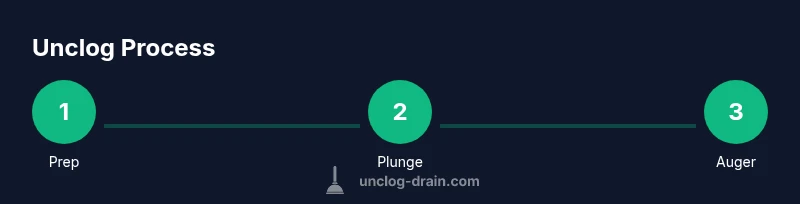
To unclog a toilet when poop is too big, start with a flange plunger and apply steady, controlled pressure. If plunging fails, advance to a toilet auger and work carefully. Avoid harsh chemicals, monitor water level, and stop if the pipe backs up. If unresolved, seek professional help to prevent damage.
Understanding why oversized blockages happen and what to expect
Toilet blockages aren’t random; when solid waste is larger than the trapway can clear in a single flush, it creates a bottleneck that resists normal draining. The result can be a partial clog that stops water from exiting the bowl and makes a second flush unlikely to help. The goal when you face a clog is to restore flow safely, without forcing more waste through a compromised seal or damaging the porcelain. This guide on how to unclog toilet when poop is too big will walk you through reliable, non-destructive methods. According to Unclog Drain, many big blockages respond to careful mechanical methods before resorting to chemicals or professional equipment. Before you begin, confirm the issue is local to the toilet and not a sewer backup by checking other fixtures and listening for gurgles in the pipes. If wastewater begins to back up, stop and avoid further flushing. A calm, methodical approach reduces splash and prevents a bigger mess; avoid forcing the problem by repeated flushing.
When you’re dealing with large waste, remember that professionals exist for a reason. The goal is to restore flow with minimal risk to your fixtures and plumbing system. In this article, you’ll learn practical techniques, safety practices, and when it’s time to call a pro.
Safety first: gear, prep, and environmental controls
Before you touch the toilet, set the stage for safe, contained work. Put on rubber gloves and eye protection to guard against splashes. Lay down old towels or a disposable liner on the bathroom floor and remove fragile objects from the area. If possible, turn off the toilet’s water supply valve to prevent new water from entering the bowl during the process. Keep a bucket nearby to catch water or debris, and have a towel ready for quick cleanup. Adequate lighting helps you spot the blockage and assess progress. If you feel unsure at any point, pause and reassess. The goal is to reduce the risk of overflow and skin contact while you work. The methods described here are designed for typical household plumbing; if you notice signs of a sewer backup or multiple clogged fixtures, stop and contact a professional. According to the Unclog Drain team, safety is the foundation of every successful unclogging attempt.
Quick assessment: local clog vs. sewer backup and what the signs mean
Once you face a blockage, differentiate a local toilet clog from a main sewer backup. If only one fixture is affected, it’s likely a local issue; if multiple drains are slow or gurgling, the problem could be broader. Look for strong odors, sewage backup in other fixtures, or water rising from the drain. Unclog Drain analysis shows that starting with a local clog assessment helps you choose the right tool and prevents unnecessary steps. If you identify a local clog, proceed with the safe methods described below. If a backup is suspected, stop and call a plumber immediately to avoid property damage. Brand guidance aside, acknowledging the difference informs your next move and protects your home systems.
Plunger technique: using a flange plunger for bigger blockages
A proper flange plunger creates the best seal against the drain and provides the most effective force to loosen a large blockage. Start by wetting the rubber rim and ensuring the plunger cup is fully seated around the hole. Position the plunger so the flange extends into the drain for improved suction. With the bowl filled with water, push straight up and down with steady force, using smooth, controlled strokes. Avoid frantic pumping, which can cause splashing and overflow. Several sessions of 15-30 seconds each can build pressure and gradually move the blockage. After each session, pause, remove the plunger, and check for a clearer drain by a gentle flush. If water level remains high or does not move, move to the auger method. Maintain good posture and keep your hands away from the water line for safety.
When plunging fails: toilet auger safety and usage
Augers reach beyond the trap and can break up or hook the blockage. Insert the auger into the toilet bowl, keeping the cable straight as you guide it toward the bend. Use a slow twisting motion while feeding the cable; this helps avoid kinking and preserves the inner surface. Stop advancing if you feel resistance and pull back gently to reset. Then reinsert with a little more rotation, repeating until you feel progress or the blockage clears. When you pull the auger back, inspect the tip and remove any debris into the bucket. Finally, flush once to verify flow. If the toilet still won’t drain, the blockage might be more stubborn than expected or a sewer issue exists, and professional help is advised.
Household methods that can help without harsh chemicals
Some homeowners try gentle, non-chemical techniques before calling a plumber. A small amount of dish soap followed by hot water can loosen simple, greasy blockages. Do not use boiling water; extremely hot water can crack porcelain or damage seals. In some cases, a mixture of hot water and a few squirts of dish soap poured into the bowl can lubricate the waste and help loosen it. Another option is using a wet-dry vacuum (set to liquid mode) to remove the obstruction. If you use a vacuum, be extremely careful, avoid sucking up toilet water, and disinfect the unit afterward. Always rinse the toilet with a slow flush test after any non-mechanical technique to evaluate progress.
What not to do: common mistakes to avoid
Don’t flush repeatedly during a blockage; this can cause overflow. Avoid using metal tools or hangers to poke at the blockage—these can scratch porcelain and push waste further. Do not mix bleach with ammonia or other cleaners, as fumes can be dangerous. Refrain from using chemical drain cleaners in a toilet, since strong caustics can damage the wax ring and pipes and may create hazardous fumes. Lastly, never ignore signs of a sewer backup; a clogged main line presents a risk of sewage backing into living spaces.
Cleanup and sanitation after the fix
After the clog is cleared, sanitize all touched surfaces with a mild household disinfectant. Wash and dry the plunger and auger, cleaning any residue with soap and hot water, then store them in a dry area. Launder towels or rags used during the process separately from other laundry. Sanitize gloves and wash hands thoroughly. Run a low-flush test to confirm the toilet drains smoothly, and keep pets and children away during the cleanup.
Maintenance and prevention to reduce future clogs
To reduce future clogs, adopt a regular drain maintenance routine and be mindful of what goes into the toilet. Install a toilet screen to catch large objects; only flush toilet paper and human waste. Schedule periodic checks for vent pipes and sewer lines. If you have older pipes, consider a professional assessment to catch weak points. The Unclog Drain team recommends consistent, preventive efforts: avoid flushing items that can accumulate and coordinate with a plumber for routine inspections.
When to call a plumber: signs you need professional help
Not every clog responds to mechanical methods. If you notice repeated blockages, slow drainage in multiple fixtures, sewer gas, or water rising in the bowl despite your best efforts, it’s time to call a professional. A licensed plumber can assess venting, pipe integrity, and the main sewer line. If you have a history of hard water or mineral buildup, a pro can determine whether hydro jetting or pipe replacement is required. The Unclog Drain team emphasizes safety and suggests progression to the next level when simple steps fail.
Verdict: a practical, proven approach to big-block toilet clogs
The recommended approach is a measured, multi-tool method: start with a flange plunger, move to a toilet auger if necessary, and seek professional help if the blockage remains. This method is designed to minimize risk of damage while restoring normal flow. By following the steps outlined, you reduce the chance of overflow and messy cleanups, and you maintain bathroom safety. The Unclog Drain team stands by a careful, non-chemical process for most big blockages and urges readers to avoid risky improvisations.
Tools & Materials
- Flange plunger (toilet plunger)(Fits around the drain and creates a strong seal.)
- Rubber gloves(Protects hands from waste and bacteria.)
- Toilet auger (snake)(Used after plunging if blockage remains.)
- Bucket(Catch water and debris.)
- Old towels or rags(Protect floor and contain spills.)
- Flashlight(Inspect the trap and interior.)
- Dish soap(Optional lubricant for easing the snake.)
Steps
Estimated time: 45-90 minutes
- 1
Prep and safety
Set up the workspace and don protective gear. Place towels down, ensure you have a clear exit route, and have a bucket ready. This reduces splash risk and keeps the area sanitary.
Tip: Wear gloves and eye protection from the start. - 2
Turn off the water and clear the area
If your toilet has a shut-off valve, turn it clockwise to stop incoming water. Remove any items around the toilet bowl that could get damaged. A dry bowl makes plunging more effective.
Tip: Turning off the water helps prevent overflow during pressure attempts. - 3
Prepare the plunger for best seal
Moisten the plunger rim and ensure the cup fully covers the drain opening. The flange should extend into the drain to maximize suction.
Tip: A proper seal improves the force you can apply. - 4
Plunge with controlled strokes
Place the plunger over the hole and push straight down, then pull up with equal speed. Do not twist the wrist; use smooth, consistent pressure for 15-30 second cycles.
Tip: Keep water level stable to maintain effective suction. - 5
Assess progress after plunging
Remove the plunger and observe the water level. If the water drops and drains, you’re making progress. If not, reposition and try another cycle.
Tip: Don’t overdo cycles; repeated pressure can cause overflow. - 6
Use a toilet auger if plunging fails
Insert the auger’s flexible cable into the bowl and guide it toward the bend, rotating slowly. Push forward with steady pressure and stop if you meet resistance.
Tip: Avoid forcing the cable; resistance can mean the blockage is deep or stubborn. - 7
Rotate and advance the auger
Keep a light, slow twist as you feed the cable further into the drain. When you feel movement, slowly retract to pull the debris away.
Tip: Pulling back and re-inserting helps break up stubborn material. - 8
Test the flush
After removing the auger, run a controlled flush to see if the blockage has cleared. If water still rises, you may need another cycle or switch techniques.
Tip: A single test flush confirms progress before continuing. - 9
Clean up and sanitize
Rinse the plunger and auger with soap and hot water, wipe down the floor, and launder towels used during the process. Sanitize hands thoroughly.
Tip: Disinfect tools and area to prevent bacterial spread. - 10
Evaluate results and decide next steps
If the toilet drains normally, resume regular use. If not, consider repeating steps or contacting a plumber for professional assessment.
Tip: A stubborn clog may indicate a broader plumbing issue. - 11
Prevent future clogs
Adopt simple maintenance: flush only toilet paper and waste, use a screen, and schedule periodic inspections if you have older pipes.
Tip: Prevention saves time and reduces stress during future clogs.
Common Questions
Is it safe to flush a toilet that’s clogged by a large poop?
No. Repeated flushing during a heavy blockage can cause overflow and mess. Use mechanical methods first and only flush when you see progress.
Flushing a severe clog can overflow. Start with a plunger or auger, then test progress before attempting another flush.
Can chemical drain cleaners help, or should I avoid them?
Chemical drain cleaners are not recommended for toilets. They can damage seals, cause fumes, and create a bigger mess. Mechanical methods are safer for most clogs.
Avoid chemical cleaners after a clog; they can damage parts and create dangerous fumes.
What signs indicate a sewer backup rather than a local clog?
Backups in multiple fixtures, strong sewage odors, or water backing up from other drains indicate a possible sewer backup. If you see these signs, stop and call a plumber.
If several fixtures are affected, don’t fight the clog alone and contact a pro.
What if plunging and snaking don’t work?
If both methods fail, the blockage may be too deep or due to a larger problem. Stop attempting and contact a licensed plumber for a professional assessment.
If it won’t clear after trying plunger and auger, it’s time for a pro.
How long should I try before calling a professional?
If progress stalls after a few attempts and cycles, don’t keep forcing it. Call a plumber to avoid damaging the toilet or pipes.
If it still isn’t moving after several careful attempts, get a professional to check it out.
Watch Video
Key Points
- Use safety gear before starting
- Start with a flange plunger, then progress to a toilet auger
- Avoid chemical cleaners; test progress after each step
- Call a plumber if the clog persists or backup signs appear