How to Get Out Clogged Poop: A Complete DIY Toilet Unclog Guide
Learn safe, practical steps to unclog a toilet and remove solid waste blockages at home. This guide covers plungers, toilet augers, safety tips, and prevention from Unclog Drain.


You can safely clear a toilet clog at home by using a plunger first, then a toilet auger if needed. Start with quick, firm plunging, ensure a good seal, and avoid chemical drain cleaners near porcelain. If plunging fails after several attempts or the bowl overflows, stop and call a licensed plumber.
Why Toilet Clogs Happen and Safety First
Toilet clogs are a common bathroom headache, especially when solid waste, toilet paper, and other debris build up behind the trap. If you're wondering how to get out clogged poop, safety and the right tools come first. The Unclog Drain team notes that most household clogs respond to mechanical methods rather than chemical drain cleaners. A calm, methodical approach reduces mess and exposure to bacteria. Start by turning off the shutoff valve to prevent a surprise overflow, then protect the floor with towels and wear rubber gloves. Before you plunge, check the water level: if it’s dangerously high, wait a few minutes to lower the bowl’s content; forcing a plunge on a full bowl can splash waste. After you’re ready, prepare a container or bucket nearby for any overflow. Remember that many clogs originate at the trap and involve paper or objects that restrict flow. In practice, a planned sequence works best: assess, prepare, plunge, and re-evaluate. Unclog Drain Analysis, 2026, shows that doing this in small, controlled steps reduces the risk of damage to the toilet and piping. By keeping safety the priority, you’ll be better prepared to tackle the blockage without turning a simple fix into a costly repair.
How Clogs Form: Common Causes and Poop Blockages
To understand how to get out clogged poop, you need to know the typical culprits. Most toilet blockages form when toilet paper, sanitary products, or leftover waste accumulate in the trap or bend, restricting water flow. In many homes, the combination of a slower drain and a heavy flush can push solids into the trap arm, where they settle. Foreign objects accidentally dropped into the bowl—such as wipes, toys, or dental floss—can quickly create a stubborn jam. If you notice repeated clogs or gurgling sounds, it may indicate a deeper issue in the drain line or downstream sewer line. When planning your DIY approach, distinguish between a simple surface clog and a deeper blockage that requires an auger. Remember that frequent clogs may be a sign of a broader plumbing problem, such as an aging vent stack or a partially blocked main line. With patience and the right technique, most clogs at the toilet can be resolved at home. However, if you’re experiencing multiple slow drains around the house, it’s smart to call a professional to assess your sewer system.
Tools and Supplies You’ll Need (And What to Avoid)
Having the right tools makes the job easier and safer. Essential items include a toilet plunger with a flange, rubber gloves, a sturdy bucket, and old towels to catch spills. If plunging doesn’t clear the blockage, a toilet auger (toilet snake) can reach deeper clogs. Optional but helpful items are a flashlight for visibility and warm water to aid loosening debris. What to avoid: chemical drain cleaners designed for sinks or shower drains. These products can harm the porcelain, seals, and even create hazardous fumes in small bathrooms. They also often fail to clear solid blockages effectively. For septic systems, opt for mechanical methods first and avoid mixing chemicals that could disrupt beneficial bacteria. If you’re unsure about the toilet’s condition, consult a professional before attempting aggressive chemical solutions. With the right gear and a careful approach, you increase your odds of restoring full flow without a messy cleanup.
Step-By-Step Overview for Home Humans
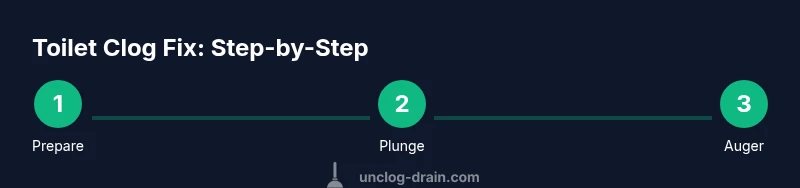
Here’s a concise overview of the home methods you’ll perform in the full step-by-step guide. The process begins with preparing the area, then applying deliberate plunging techniques, and finally evaluating whether the blockage has cleared or if you should move to an auger. This overview helps you decide when a DIY fix is appropriate and when a plumber is the safer option. Remember to work slowly, maintain good posture, and avoid forcing tools into the drain, which can damage the toilet or piping. The detailed steps below expand on each action, with tips for consistency and safety. Keep in mind that not every clog responds to the same approach; some may require a combination of plunging and snaking, while others might necessitate a professional assessment.
First-Line Techniques: Plunger Basics and Safe Practices
The first line of defense is a proper plunger technique. Ensure you have a flange plunger that seals around the drain, place it firmly over the opening, and push straight down with controlled pressure. The goal is to create a vacuum and push the clog upward and out with minimal splash. Always work with gloves, and keep towels handy to absorb spills. If after 15-20 vigorous strokes the water remains still, pause and re-check the seal before trying again. A successful plunge often requires multiple sets of steady pushes rather than wild jabs. If you can see the water level rising and then dropping, you’re probably on the right track.
When to Use a Toilet Auger and What Not To Do
If plunging alone doesn’t clear the blockage, a toilet auger is the next tool to try. Insert the auger into the toilet bowl and gently feed the cable toward the blockage while turning the handle. When you feel resistance, slowly rotate and attempt to dislodge the clog, then pull back slightly to retrieve the debris. Do not force the auger; excessive force can crack porcelain or bend the waste line. After withdrawal, retract slowly and flush a small amount of water to test. If the auger can’t reach the clog or you still observe poor drainage, stop and seek professional help. Remember, never use metal tools or create leverage against the toilet rim. Overall, the auger is a safer, more precise option for deeper blockages.
When to Call a Pro and Prevention Tips
Some clogs require professional expertise, especially if the blockage is deep in the sewer line or repeatedly recurs. If plunging and snaking fail after two thorough attempts, or if you notice sewage backflow into another drain, call a licensed plumber. Regular maintenance helps prevent future clogs: install strainers, avoid flushing non-flushable items, and practice moderate toilet paper usage. For households with septic systems, routine pumping and careful waste management reduce the risk of backups. Following a simple maintenance routine and addressing issues early saves time and prevents costly repairs.
Quick Troubleshooting Scenarios and Common Mistakes
Common mistakes include overusing chemical drain cleaners in toilets, ignoring signs of complete blockage, and attempting to plunge with an ineffective seal. If you see standing water without any movement after several plunge cycles, reassess the seal and ensure the plunger is aligned with the drain. Another frequent error is flushing repeatedly during a blockage, which can cause overflow. When unsure, stop and switch to a safer technique or contact a pro. Finally, always clean up and sanitize the area after finishing; proper hygiene reduces the spread of germs.
Tools & Materials
- toilet plunger with flange(Use a high-quality rubber plunger designed for toilets to create a strong seal.)
- toilet auger (toilet snake)(Use if plunging fails or for deeper blockages.)
- rubber gloves(Protect hands from waste and bacteria.)
- bucket or basin(Contain overflow and catch water during cleanup.)
- old towels or rags(Absorb spills and protect floor surfaces.)
- flashlight(Improve visibility into the bowl and trap area.)
- dish soap (optional)(Aids lubrication if needed, not essential.)
Steps
Estimated time: 30-60 minutes
- 1
Prepare area and safety gear
Lay down towels, put on rubber gloves, and clear children and pets from the bathroom. This reduces mess and protects you from bacteria. If water is already rising, don’t flush again; use the shutoff valve to prevent overflow.
Tip: Check your equipment for wear; replace a cracked plunger before starting. - 2
Assess the blockage and water level
Look at the water depth; a very high level indicates a partial blockage. Do not force a flush when the bowl is full. Decide if you will plunge first or move to a snare after a quick evaluation.
Tip: If you see sewage backing up into other fixtures, stop and call a professional. - 3
Create a proper plunger seal
Position the flange of the plunger over the drain opening and ensure a tight seal around the rim. A loose seal reduces suction and makes plunging ineffective. Keep the handle vertical to apply even pressure.
Tip: Wipe the rim edge to improve the seal if needed. - 4
Plunge with controlled strokes
Push straight down and pull up without breaking the seal. Use 15–20 steady strokes, then pause to check; repeat as necessary. If the water starts to rise and then drop, you’re breaking the blockage.
Tip: Move your wrist rather than the entire arm for steadier pressure. - 5
Try the toilet auger if plunging fails
Insert the auger and feed it toward the blockage while turning the handle gently. When you feel resistance, rotate and slowly pull back to retrieve debris.
Tip: Do not force the cable; forcing can crack the porcelain. - 6
Flush test and cleanup
Once the blockage clears, slowly pour a little water to test flow, then flush normally. If clear, wipe surfaces and wash hands thoroughly.
Tip: Keep the area ventilated and sanitize the bathroom after use.
Common Questions
What is the safest first step when a toilet is clogged?
The safest first step is to turn off the water supply and wear gloves, then attempt a controlled plunge with a flange plunger. If the blockage persists, move to an auger before calling a pro.
Turn off the water and wear gloves, then try a careful plunge. If it doesn’t clear, use an auger or call a plumber.
Can chemical drain cleaners damage a toilet or septic system?
Yes. Chemical drain cleaners can damage porcelain, seals, and septic bacteria. They’re often ineffective for solid blockages and should be avoided in toilets.
Yes, avoid chemical cleaners in toilets as they can cause damage and may not clear the clog.
When should I call a plumber for a clogged toilet?
Call a plumber if plunging and snaking fail after multiple attempts, if you hear unusual noises, or if sewage backs up into other drains.
Call a plumber if plunging and snaking don’t work after several tries or you notice sewer backups.
Is a toilet auger safe for septic systems?
A toilet auger is generally safe for septic systems when used correctly, but avoid overuse of any device and consider a professional if you’re unsure.
Augers can be used for septic systems when done carefully; if unsure, get a pro.
How long should I attempt plunging before stopping?
If after 2–3 sets of 15–20 smooth strokes the clog remains, switch to an auger or pause and seek professional help.
If it doesn’t clear after a few attempts, stop and try the auger or get help.
Is it okay to use hot water to aid unclogging?
Warm water can help loosen solids but avoid boiling water as it may crack porcelain. Do not rely on hot water alone to clear a stubborn clog.
Warm water can help, but avoid boiling water and don’t rely on it alone.
Key Points
- Assess safety before acting
- Start with plunger, then use auger if needed
- Avoid chemical cleaners in toilets
- Stop and call a pro if blockage persists
- Prevent future clogs with simple maintenance