How to Unclog a Toilet When Poop Is In It
Learn safe, proven steps to unclog a toilet when poop is in the bowl. This practical guide covers plunging, augers, safe remedies, safety tips, and when to call a pro.


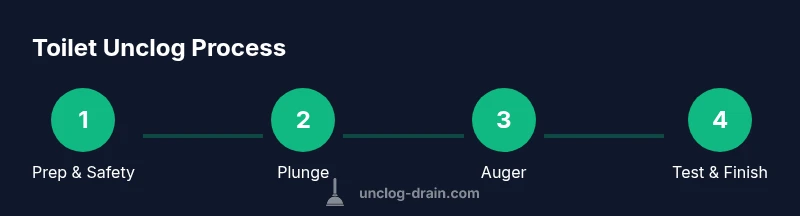
By following safe, practical steps on how to unclog toilet when poop is in it, you can avoid calling a plumber. Start by stopping the flow, then try a plunger, and move to a toilet auger if needed. Avoid chemical drain cleaners and disassembly unless you're comfortable with tools. This quick guide outlines the key steps, safety notes, and when to seek professional help.
Immediate safety and prep
Disaster averted starts with preparation. According to Unclog Drain, most toilet clogs begin with an excess of toilet paper, non-flushable wipes, or a combination of waste that the flush cannot carry away. If you’re facing a situation where poop is stuck in the bowl, take a moment to set up a clean, safe workspace and reduce mess before you begin. Turn off the toilet’s water supply at the shutoff valve behind or beside the toilet; this stops more water from entering the bowl and helps prevent overflows. Then flush once to clear the remaining water in the bowl and use towels or rags to protect the floor. Put on rubber gloves for hygiene, and keep a bucket handy to catch any splashes. Finally, prepare your tools: a flange plunger, a toilet auger, a sturdy towel, and a flashlight if visibility is low.
How clogs form and where to check
To fix a toilet clog effectively, you should understand what typically causes it. Paper towels, too much toilet paper, feminine hygiene products, or foreign objects can jam the flush mechanism. In many homes, the flange area (where the drain meets the toilet base) collects debris and can create a stubborn clog. If you suspect a deeper blockage beyond the U-trap, you may have a more serious plumbing issue that requires professional attention. Checking the bowl for floating debris and listening for gurgling sounds can help you decide which approach to take next.
Tools and materials you’ll need
Having the right tools on hand saves time and reduces mess. Priority items are a flange plunger (the bell-shaped rubber head designed for toilets), and a toilet auger (a flexible auger with a corkscrew end). Rubber gloves protect your hands, and a bucket or basin catches spills. Old towels or rags absorb splashes, and a flashlight can help you see inside the drain. Optional items include a disposable liner for the plunger and a small cup for scooping water. Avoid chemical drain cleaners for safety and environmental reasons, as they can damage pipes and tiles if misused.
Plunger basics and technique
A proper seal is essential for a successful plunge. Place the flange end of the plunger into the drain opening and ensure a tight seal around the rim. Keep the handle upright and use slow, controlled pushes and pulls, creating a consistent pressure without forcing water backward. Resist the urge to pump wildly; instead, apply steady, rhythmic pressure for 15-30 seconds, then pause to see if the water level drops. If it does, continue repeating until the bowl begins to clear. If the water level remains high, move to the auger. Pro tip: keep the plunger fully submerged and never break the seal mid-push.
Using a toilet auger (plumbing snake)
When plunging fails, a toilet auger can reach deeper into the trap. Extend the snake slowly into the drain while turning the handle clockwise to avoid kinking. If you feel resistance, rotate gently and pull back slightly to reset, then reinsert. Do not force the cable; forcing can damage the toilet or the drain. Once you feel it catch the clog, rotate and push gently to break up or hook the material. Retrieve slowly and flush to test. If the clog persists, stop and consider professional help to avoid further damage.
Safe chemical alternatives and why to avoid
Chemical drain cleaners are tempting, but they pose risks. Many toilet clogs are caused by materials that can dissolve or degrade with chemical agents, which may cause fumes, corrode pipes, or damage septic systems. If you choose to use a chemical product, select a toilet-safe formula and follow the label exactly. Never mix cleaners with bleach or ammonia, as dangerous gases can form. For many homeowners, mechanical methods (plunger and auger) provide the safest and most reliable results without chemicals.
Cleaning up and testing the flush
After the clog clears, return water to the bowl by turning the supply valve back on. Flush several times to confirm the flow is clear and that no slow draining remains. Wipe down tools and disinfect after use. If the toilet starts to gurgle again or refill irregularly, there may be a secondary blockage or venting issue. Keep a log of what was used and the outcome to inform future maintenance.
Prevention and maintenance
To minimize future clogs, practice moderate toilet paper use and avoid flushing non-flushables. Consider a plumbing check to ensure venting and drainage are functioning properly. Install a toilet paper schedule to avoid over-bulking at once; and use a toilet auger to inspect periodically. Regularly clean the rim, trap, and flange area during routine bathroom maintenance. A short monthly check can prevent many common clogs.
Quick checks after unclogging
Finish with a quick set of checks: confirm a full flush, listen for smooth drain sounds, and inspect for leaks around the base. If you notice persistent problems, the underlying issue might be a sewer line blockage, which requires professional attention. For most households, a properly executed plunge, augmented by a snake if needed, solves the problem quickly.
Tools & Materials
- Flange-plunger(Use a toilet-specific plunger with a flange for a proper seal)
- Toilet auger (plumber's snake)(Flexible, 3-6 ft length is typical for toilets)
- Rubber gloves(Protect hands from sewage and grime)
- Bucket or basin(Catch water and keep area tidy)
- Old towels or newspapers(Protect floor and absorb spills)
- Flashlight(Helps visibility inside the drain)
Steps
Estimated time: 15-25 minutes
- 1
Shut off water and prep area
Turn off the shut-off valve behind the toilet by turning clockwise until it stops. This stops new water from entering and helps prevent overflow. Flush once to empty the bowl, then place towels to absorb any remaining water. This step minimizes mess and protects floors.
Tip: Keep kids and pets away; the area should stay dry and contained. - 2
Remove excess water from the bowl
Use a cup or sponge to remove standing water if the bowl is full after shutting the supply. Wipe up any remaining spills on the floor. Having the bowl mostly empty improves suction and makes plunging more effective.
Tip: Work calmly to avoid splashing; use towels to catch drips. - 3
Plunge with proper technique
Position the flange part of the plunger into the toilet drain and create a tight seal. Use slow, steady pushes and pulls for 15-20 seconds, then pause to see if the water level drops. Repeat until the water level lowers or the bowl clears.
Tip: Keep the plunger submerged and avoid breaking the seal mid-push. - 4
Switch to a toilet auger if needed
If plunging doesn’t clear the clog, insert the auger into the drain and turn the handle clockwise while gently pushing forward. Do not force the cable; if you meet resistance, back off slightly and reattempt. Retrieve the auger slowly.
Tip: Gentle twists prevent damage to the porcelain and trap. - 5
Test flush and finish up
Turn the water supply back on and flush the toilet to ensure the clog is cleared. If the bowl refills smoothly and drains quickly, you’re done. Clean and disinfect tools, then dry the area.
Tip: Document what worked for future reference.
Common Questions
What should I do first if the toilet starts to overflow during unclogging?
Immediately shut off the water at the shut-off valve to stop more water from entering the bowl. Wipe up spills and evacuate the area. If the overflow continues, evacuate and call a plumber.
Turn off the water, mop up, and call for help if it keeps overflowing.
Are chemical drain cleaners safe for toilets?
Most chemical drain cleaners are not recommended for toilets because they can damage porcelain, seals, and septic systems. Use mechanical methods first and only follow product instructions if you choose to use chemicals.
Most chemical cleaners aren’t ideal for toilets; mechanical methods are safer.
When should I call a plumber?
If plunging and snaking fail after several attempts, or if you suspect a sewer backup or a venting problem, it’s time to call a professional.
If it won’t clear after multiple attempts or you hear unusual sounds, contact a plumber.
Can a clogged toilet cause sewer gas?
Yes, a clogged toilet can lead to sewer gas if the trap is compromised or dry. Keep the area ventilated and address the clog promptly.
Clogs can lead to sewer gas if the trap is dry; ventilate and fix the clog.
Will flushing repeatedly worsen the clog?
Repeated flushing can push the blockage further or cause overflow, increasing the mess. Use deliberate, limited flushes while troubleshooting.
Flushing again and again can push the clog deeper or cause overflow.
How can I prevent future toilet clogs?
Flush less toilet paper, avoid flushing non-flushables, and consider periodic checks with a toilet auger. Regular bathroom maintenance also helps prevent buildup.
Prevent clogs by using less toilet paper and avoiding non-flushables; regular checks help too.
Watch Video
Key Points
- Shut off water first to prevent overflow
- Choose the right tool for the job (plunger, then auger)
- Use controlled, deliberate techniques rather than force
- Avoid chemical drain cleaners for safety and pipe longevity
- Test flushes carefully and plan for prevention