How Much to Unclog a Toilet: A 2026 Cost Guide
Discover the true cost to unclog a toilet, compare DIY vs professional options, and learn practical tips to save time and money in 2026.


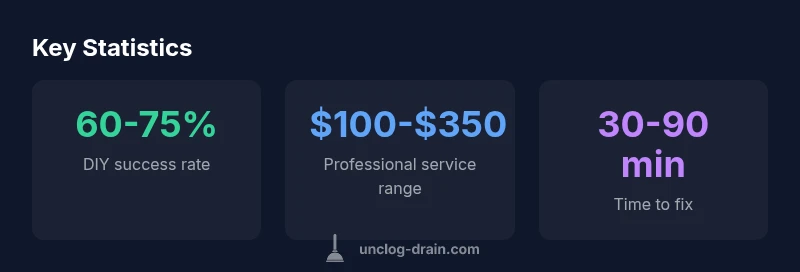
To unclog a toilet, expect DIY costs to range from $0 to $50 for basic tools and cleaners, or up to $150 for a rental or specialized devices. Professional services typically range $100-$350, depending on severity, location, and septic system involvement. Most homeowners can attempt safe steps first before calling a pro.
Why the cost to unclog a toilet varies
Understanding how much to unclog a toilet starts with recognizing that no two clogs are the same. According to Unclog Drain, the price you see depends on the method chosen, the complexity of the blockage, and whether your home runs on a septic system. The simplest DIY approach—using a plunger and basic tools—often costs very little if you already own the gear, with up to $50 for new supplies if you need to buy a few items. If the clog requires a specialized tool or rental, the DIY cost can climb to $100–$150. For a professional service, call-out charges plus labor typically range from $100–$350 in most urban and suburban areas. Rural areas may shift based on access, travel time, and the plumber’s pricing model, but most plumbers price by time and travel rather than a fixed rate. In short, expect a broad spectrum: a quick plunge may be essentially free, while a full diagnostic and solution will sit in the mid-range of the scale. Your price is driven by urgency, access, and the root cause of the clog.
Cost drivers: tool choice, home type, and complexity
Several factors determine the final cost to unclog a toilet. Tool choice matters: a basic plunger costs little, while a closet auger or power auger can require rental fees or professional use. The home type and plumbing layout influence access: a single-story house is usually quicker and cheaper than a multi-story home with a long drain path. Septic system involvement adds another layer of complexity: septic issues may require pumping or specialized service, increasing both time and expenses. The severity of the blockage, whether it’s a partial or complete obstruction, and the presence of foreign objects all push the price up. Finally, regional labor rates and after-hours service can change the bottom line. In practice, the price range reflects both the likelihood of additional labor and the potential need to diagnose deeper problems in the drainage system.
DIY steps you can try before calling a pro
If you’re trying to minimize cost, start with safe, established DIY steps before pulling in a pro. Step 1: Turn off the toilet supply valve and flush to empty the bowl. Step 2: Use a flange plunger (not a flat plunger) and create a tight seal; pump vigorously 15–20 times. Step 3: If the plunger doesn’t clear, try a toilet auger or closet-specific snake, guiding the tool gently into the trap; avoid forcing it. Step 4: Do not mix chemical drain cleaners with your toilet or septic system—mechanical methods reduce risk to pipes and soil. Step 5: If you still see backup, pause and reassess your options; in some cases, a sewer line issue is at fault and requires professional intervention. Remember to recheck the drain after each attempt and avoid repeated flushing.
Tools and safety: what you need
Preparing the right tools reduces risk and cost. You’ll want a flange-type plunger, a toilet auger (snake) designed for toilets, gloves, safety glasses, towels, and a bucket. Keep a flashlight handy to inspect the rim and trap area. When using a plunger, avoid using metal or sharp tools that could scratch the porcelain. Wear gloves and eye protection if you’re working with drain materials or potential sewage exposure. If your plunger doesn’t seal properly, reposition and reseal. For septic systems, be mindful of what you flush; never dump grease or food waste into the toilet.
When to call a professional: red flags
Call a plumber if you observe persistent backups after multiple attempts, sewage odor, or if water backs up into other fixtures (sinks, tubs) indicating a main line issue. Red flags also include a working septic system showing signs of distress, or if you can’t access the clog due to safety concerns (standing water with electrical outlets nearby). If you’re renting and uncertain about safety or building codes, a licensed professional is the safer route. Getting a professional’s opinion early can prevent bigger problems and more costly repairs later.
Cost ranges by scenario: simple clog vs septic considerations
For a straightforward toilet clog with no septic involvement, you typically see dollar ranges in the DIY vs pro spaces: DIY tools and quick fixes can cost little to moderate amounts, while a pro visit with diagnostic time commonly lands in the mid-range. If a septic tank is involved, or if the clog is connected to the main sewer line, costs can escalate due to additional equipment, pumping, and inspections. In some cases you might need to coordinate with a waste management service. The key is to identify whether the issue is localized to the toilet or part of a broader plumbing/sewer problem before choosing a path forward.
Budgeting tips and cost-saving strategies
To control costs, invest in basic, reliable tools and reuse what you have when possible. Seek out reputable rental options for specialized equipment rather than purchasing outright if you don’t anticipate frequent use. Schedule non-urgent services during regular business hours to avoid higher after-hours rates. Maintain a simple maintenance routine: avoid flushing non-degradable items, run plenty of water after flushing, and consider routine septic maintenance if you have a septic system. Getting a clear written estimate before a service visit helps prevent surprises.
What to expect during a service visit
A professional visit typically begins with a quick assessment, including a visual check of the toilet, trap, and drain lines. The plumber may attempt to clear the clog with a longer auger and then perform a camera inspection if the issue persists. Expect time commitments to vary by complexity and whether additional issues are found. After the fix, the technician will test flush performance and clean the work area. If a septic system is involved, you’ll receive guidance on pumping, maintenance, and drainage health; warranties or guarantees may apply to the work performed.
Quick prevention checklist to reduce future clogs
- Use only toilet paper and human waste; avoid flushing wipes, feminine products, or cooking grease. - Install a toilet drain guard or trap cover to catch small objects before they go down the drain. - Periodically inspect and clean near the toilet area to identify early signs of sewer gas or slow drainage. - Schedule routine septic maintenance if you rely on a septic tank; regular pumping can prevent full-system backups. - If you notice recurring backups, address underlying plumbing issues promptly to avoid escalating costs.
Common cost scenarios for unclogging a toilet
| Scenario | Estimated Price Range | Notes |
|---|---|---|
| DIY with plunger | Free–$50 | Basic plunge and tools for minor clogs |
| DIY with auger/snake rental | $25–$100 | Requires some手work and patience |
| Professional service call (no septic) | $100–$350 | Common scenario for most homes |
| Professional service with septic system | $400–$800+ | Septic pumping or specialized inspection may be needed |
Common Questions
How much does it cost to unclog a toilet?
Costs vary: DIY can be free to around $50 for basic tools, while professional service typically runs $100–$350. If the clog involves a septic system, prices can be higher. Always compare a written estimate before proceeding.
DIY can be cheap, but pro help may be needed for septic ties or stubborn clogs.
What is the quickest method to unclog a toilet?
Begin with a flange plunger to form a strong seal and pump vigorously. If this fails, use a toilet auger carefully. Avoid chemicals that can damage pipes or septic systems.
Start with a flange plunger, then try a toilet auger if needed.
Can I unclog a toilet with household chemicals?
Chemical drain cleaners are not recommended for toilets or septic systems. They can damage pipes and septic bacteria. Mechanical methods are safer and often more effective for toilets.
Better to use plungers or augers than chemical cleaners.
Should I use a toilet auger or a drain snake?
A toilet-specific closet auger is designed to clear toilet traps with minimal risk to the porcelain. A longer drain snake can be used for harder-to-reach clogs but requires caution to avoid damage.
Use a closet auger for toilets, or a snake with care.
When should I call a plumber for a toilet clog?
Call a plumber if the clog recurs after DIY attempts, if you notice sewage odors, or if multiple fixtures back up. If you have a septic system, consider professional evaluation before proceeding.
If backups persist or you smell sewage, call a pro.
Is DIY cheaper than professional service overall?
DIY is usually cheaper upfront, especially if you already own tools. However, hidden issues can raise costs, and a pro’s diagnostic may prevent bigger problems.
DIY saves money upfront, but bigger problems can cost more later.
“Practical, safety‑driven advice helps homeowners make smart choices about unclogging. Start with simple DIY steps and escalate only when needed, then address any underlying plumbing issues to prevent future clogs.”
Key Points
- Start with inexpensive DIY methods before hiring a pro
- Costs vary widely by clog type and system
- Avoid chemical cleaners; use mechanical methods first
- Septic system involvement can raise costs
- Get a written estimate before any service