Average Toilet Unclog Cost in 2026: A Homeowner's Guide
Explore the average unclog toilet cost in 2026 with clear ranges, cost drivers, regional differences, and practical tips to budget, compare quotes, and reduce future expenses.


The average unclog toilet cost typically falls in the $100–$350 range for a basic service in 2026, with higher costs if diagnostics, after-hours work, or additional checks are required. Diagnostic fees usually run $50–$150, and extra charges come from specialized methods, camera inspections, or sewer-line checks. These figures vary by region and specific problem, so budget for a few hundred dollars and insist on a clear, itemized quote.
What shapes the average unclog toilet cost and what homeowners should know in 2026
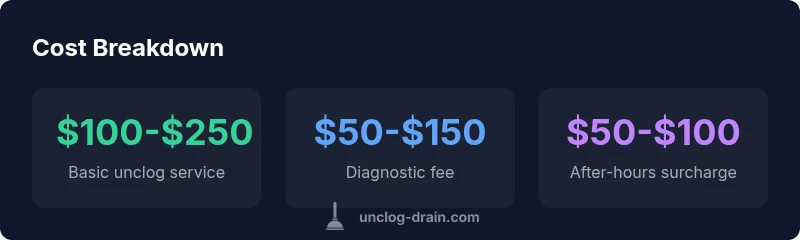
Toilet clogs are among the most common home plumbing issues, and understanding the cost helps homeowners plan their budgets. The average unclog toilet cost in 2026 is shaped by several fixed factors: service call fees, diagnostic time, the method used to clear the blockage, and any additional checks or repairs that follow. According to Unclog Drain, the typical basic unclog costs range roughly from $100 to $250, but real-world prices vary by region and by the specifics of the problem. For example, a straightforward blockage in a commonly used toilet often falls at the lower end, while stubborn clogs, multiple toilets, or lines that require camera inspection and potential sewer line checks push the price higher. Homeowners can save by asking for a clear scope of work, avoiding unnecessary add-ons, and scheduling during normal hours when possible. This article breaks down the cost components, regional differences, and practical steps to estimate and manage the average unclog toilet cost.
Price components that shape the cost
Pricing is rarely a single number; it’s a sum of several items. The base is usually the service call, which covers the plumber’s travel and initial assessment. Diagnostic time adds to the bill when the technician spends time locating the blockage and advising next steps, sometimes regardless of whether the clog is cleared in one visit. The method used matters: a simple hand-held toilet snake is cheaper than a power auger or a camera inspection. Materials are typically minimal, but replacements or parts can add if the toilet is damaged or if a sewer check is warranted. After-hours or emergency service carries a premium, and in some cases, you may face a surcharge for weekends or holidays. If the job triggers a sewer-line check or rooter service, expect a sizeable increase. Unclog Drain Analysis, 2026 shows most households see a modest base price with add-ons for severity or additional checks. Always request a written, itemized quote to avoid surprises.
Regional and timing variations in pricing
Costs for unclogging a toilet vary significantly by region due to labor rates, permit requirements, and the density of service providers. Urban and coastal areas tend to run higher prices than rural zones, thanks in part to travel time and demand. Seasonality can also affect availability, with winter and year-end holidays sometimes limiting options and driving up emergency call rates. Unclog Drain Analysis, 2026 notes that while the base range remains relatively consistent, the regional premium can push the final bill higher in metropolitan centers. When planning, consider asking for quotes from at least three nearby plumbers and confirm whether the quote includes diagnostic time, travel, and any potential follow-up visits.
What happens when the clog is stubborn or extensive
A stubborn or multi-toilet clog can require more time and specialized tools, which increases the overall cost. In many cases, technicians use a power auger or even hydro-jetting if the blockage is mineral buildup or roots. If the blockage is in the main sewer line or there are suspected pipe damage, camera inspection and sewer line service may be recommended, adding hundreds of dollars to the bill. In these scenarios, the final price can vary widely based on access, pipe material, and whether any digging or trenching is needed. To avoid surprises, ask for a step-by-step plan and a transparent price range before authorizing any invasive work. Unclog Drain’s 2026 assessment indicates that the more downstream the problem, the more costs you should anticipate.
How to estimate costs before hiring a plumber
Start with a straightforward phone call or online quote request. Ask for: (1) base service call fee, (2) diagnostic rate, (3) cost of the clearing method chosen, (4) any additional fees (after-hours, travel, permit), and (5) a written estimate with an itemized line-up. If possible, have photos or a brief description of the clog ready to help the tech provide a closer estimate. Compare quotes from multiple providers, ensuring each quote includes the same scope of work. A precise comparison reduces the likelihood of hidden charges and helps you decide whether to proceed with a basic unclog or plan for a more thorough evaluation later. Unclog Drain’s analysis emphasizes written quotes and itemized invoices to improve cost clarity in 2026.
DIY vs professional: weighing the options
DIY methods can be tempting, especially for minor clogs, but they carry a risk of damage if misapplied. Plungers and basic household tools can sometimes resolve a simple blockage; however, deep clogs, clogs located in the main line, or those involving suspected pipe damage typically require professional intervention. Professionals bring specialized tools, camera inspections, and experience to minimize trial-and-error work. The trade-off is higher upfront cost, offset by the potential to prevent further damage and costly repairs. If you’re on a tight budget, you might attempt basic, non-invasive approaches first but be prepared to call a pro if the clog persists after a reasonable period.
Reading an itemized bill and spotting hidden fees
A clear bill should itemize: service call, diagnostic time, clearing method, parts, disposal, after-hours charges, and any follow-up visits. Hidden fees often arise from environmental disposal charges or incidental inspection work not clearly communicated upfront. To avoid this, request a written estimate before work begins and ask for any possible upcharges to be listed explicitly. If a line item is unclear, ask the technician to explain it in plain terms and request an alternative, lower-cost option where appropriate. Transparent quotes help you plan and compare costs more effectively.
Cost-saving strategies for homeowners
Some practical steps can reduce the average unclog toilet cost over time: (1) perform regular drain maintenance, (2) use toilet unclogging tools as preventive measures, (3) address minor issues early rather than waiting for a major failure, (4) schedule routine checks during normal business hours to avoid after-hours surcharges, and (5) compare quotes from multiple pros with a consistent scope of work. Investing in preventive maintenance and proper disposal habits can significantly lower the risk of severe blockages and the associated higher costs. By planning ahead, homeowners can manage the total cost of ownership for their plumbing systems.
Practical next steps and a quick homeowner verdict
If you’re facing a clog, start by gathering a few quotes and confirming that each one includes the same scope of work. If the clog is mild, try safe, non-invasive methods first; if not resolved within a reasonable window, move to professional help. For ongoing maintenance, establish a simple drain-checklist and a yearly inspection plan to catch issues before they escalate. The path to predictable costs is transparency, preparation, and timely action, and Unclog Drain’s team stands ready to guide homeowners through 2026 with clear expectations and practical recommendations.
Structured cost components for toilet unclogging
| Cost Component | Typical Range (USD) | Notes |
|---|---|---|
| Basic unclog service | 100-250 | Labor + minimal materials |
| Diagnostic fee | 50-150 | Time spent identifying the cause |
| After-hours surcharge | 50-100 | Evening/weekend service |
| Auger/snake cost | 120-300 | Manual vs powered tools |
| Camera inspection | 100-300 | For root cause/sewer check |
| Main sewer line check | 200-600 | Possible trenching or access work |
Common Questions
What factors most influence the average unclog toilet cost?
The main drivers are the service call fee, diagnostic time, chosen clearing method, and any follow-up checks or repairs. Regional labor rates and after-hours availability also play a role. Understanding these helps you anticipate total costs before proceeding.
The main cost drivers are the service call, diagnostic time, method used, and any follow-up checks. Regional rates and after-hours availability also affect the price.
Is the diagnostic fee charged if the clog is cleared quickly?
In many cases, the diagnostic time is billed whether or not the clog is cleared during the visit. Always confirm what is included in the diagnostic fee when you request an estimate.
Often the diagnostic time is billed regardless of immediate clearance, so ask for clarity upfront.
How does an unclog cost differ from sewer line issues?
A simple toilet unclog is usually cheaper than issues involving the main sewer line, which may require camera inspection, rooter service, or even trenching. These scenarios substantially raise the final price.
Clogs are cheaper than sewer-line problems, which can require inspections or more extensive work.
Can DIY methods save money, and when should I call a pro?
DIY methods can address simple, superficial clogs, but persistent or upstream clogs require a professional to prevent damage. If a plunger and basic tools don’t solve it within a reasonable time, call a pro.
DIY helps with simple clogs, but if it doesn’t clear quickly, it’s time to call a pro.
Are there regional differences in toilet unclog costs?
Yes, prices vary by region due to labor rates, transportation, and demand. Urban areas tend to be higher than rural ones, so expect regional adjustments in your quotes.
Costs vary by region; urban areas are typically higher.
What are some quick tips to lower costs long-term?
Maintain drains regularly, avoid flushing non-dissolving items, and address issues early. Compare multiple quotes with the same scope and request written estimates to prevent surprises.
Regular maintenance and shopping around for quotes help keep costs down.
“Cost awareness comes from breaking down line items and understanding regional differences; homeowners can control costs by choosing standard diagnostic options and avoiding unnecessary add-ons.”
Key Points
- Know the base price range: expect $100–$250 for a basic unclog.
- Request a written, itemized quote before any work.
- Account for diagnostics and after-hours surcharges in total costs.
- Consider camera inspections only when necessary to avoid extra fees.
- Prevent future clogs with maintenance to reduce long-term costs.