Clogged Toilet Fix: DIY Guide for Homeowners
Learn a safe, practical clogged toilet fix with plunger, auger, and simple home methods. Unclog Drain guides you through fast, effective steps to restore flow and prevent future clogs.


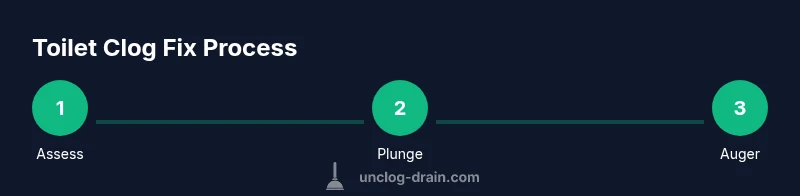
To fix a clogged toilet fix, start with a plunger, then a toilet auger if needed; avoid chemical drains unless necessary. Clear the blockage slowly, create a watertight seal, and test by flushing twice. If water rises above rim or won’t budge after several tries, stop and seek professional help.
Diagnosing the Clog and Setting Up
A clogged toilet fix typically begins with quick observation of water behavior and the signs that a blockage exists. If the toilet gurgles, water rises toward the rim, or the bowl stubbornly refuses to drain after a normal flush, you’re dealing with a obstruction in the trap or drain line. According to Unclog Drain, most clogs are caused by excessive toilet paper, partially flushed debris, or foreign objects that get lodged in the trap or piping. Before you reach for tools, clear a safe workspace around the toilet. Place towels or a small bucket nearby to manage any overflow, and ensure kids and pets are kept away. A calm, methodical approach helps prevent splashback and minimizes mess during the fix.
Safety and hygiene matter: designate clean gloves and a dedicated cleaning cloth for the toilet area, and keep cleaners away from hands until you’re ready to sanitize. If you can see standing water, do not pour any more water into the bowl—this can worsen the blockage or overflow. This block sets the stage for a structured, low-risk unclogging process that works for most households.
Safety Essentials Before You Start
Before you dive into the clog removal, protect yourself and your home. This is not a time for rushed improvisation. Wearing rubber gloves and eye protection helps prevent contact with wastewater and any splashes. Open a window or turn on an exhaust fan to improve air quality, since stagnant bathroom air can feel uncomfortable during a clog. Keep a mop or towels handy for quick cleanups and sanitize after the job is done. If your toilet is connected to a septic system, avoid mixing store-bought chemical cleaners with other products; consider a mechanical method first to reduce pressure on the septic field. This safety-first mindset is part of a responsible clogged toilet fix.
Establish a plan: identify the point of blockage, choose a tool, and set a time estimate for the steps. According to Unclog Drain analysis, most homeowners resolve common clogs with standard plunging and careful augering, avoiding chemical drain cleaners altogether when possible. This approach reduces risk to your plumbing and your family.
Tools and Materials You'll Need
Collect these items before you begin to minimize interruptions later. A plunger with a flange, a toilet auger, heavy-duty rubber gloves, old towels, a bucket, a flashlight, and a bottle of disinfectant. Optional items include a small wringer or scraper for stubborn residue and a spare toilet brush for post-cleanup. Having everything ready ensures you can work efficiently and maintain a tidy work area. Remember, the goal is to restore normal flushing with minimal mess and no damage to the porcelain.
How Clogs Form: Common Causes and Prevention
Understanding the root causes helps you prevent recurrences. Most clogs happen due to excess toilet paper, flushing non-flushable items, or buildup of mineral deposits and waste in the trap and drain line. In some homes, vents or sewer lines can contribute to slow drainage, especially if the plumbing system is older or undersized. Regular maintenance and mindful flushing practices reduce the likelihood of future clogs. This section highlights what to watch for and why proactive care matters in a busy household.
Step-by-Step: Plunger First Approach
Plunging remains the first-line fix for many clogs. Start by ensuring the plunger forms a tight seal around the drain opening. Push and pull with steady, controlled pressure to create suction that dislodges the blockage. Keep the plunger fully submerged and avoid lifting the seal mid-push, as that reduces suction. After several targeted cycles, attempt a gentle flush to evaluate progress. If water still drains slowly or reverses direction, move to the next method. This approach minimizes water waste and reduces splashback while applying a straightforward mechanical solution.
Step-by-Step: Using a Toilet Auger
A toilet auger can reach deeper into the trap and drain than a plunger, making it effective for more stubborn blockages. Insert the drum end into the bowl and gently crank the handle to extend the snake toward the bend in the toilet. Pause if you feel resistance, then turn back slightly and reinsert—this helps avoid kinking the cable. When you feel it grab the clog, apply steady pressure while turning the handle to break up or latch onto the obstruction. Retract slowly, remove the debris, and flush to test. If resistance persists or you cannot retrieve the obstruction, stop and reassess. This step can clear core blockages without damaging the porcelain.
Step-by-Step: Gentle Chemical Helpers (and What to Avoid)
Chemical drain cleaners can be tempting, but they pose risks to septic systems and can damage toilet porcelain if misused. If you choose to try a chemical option, select a product labeled safe for toilets and follow the manufacturer’s instructions precisely. Never mix different chemical cleaners or pour large quantities at once; symptoms of chemical reactions can include foul fumes or a damaged plumbing joint. Use these products sparingly and always ventilate the bathroom. In most cases, mechanical methods (plunger and auger) achieve results with less risk. This has long been the safer, more reliable approach for a clogged toilet fix.
If the Clog Persists: Next Steps and Professional Help
If you’ve exhausted basic methods and the toilet still won’t drain, you may be facing a deeper obstruction or a venting issue. A persistent clog could indicate a problem in the main sewer line or a more complex trap blockage that requires professional assessment. Before calling a plumber, document what you tried and note whether the blockage is localized to one fixture or affecting multiple drains in the home. A licensed plumber can diagnose and address issues that go beyond DIY solutions.
Maintenance Tips to Prevent Future Clogs
Prevention is easier than remediation. Regularly inspect toilets for signs of wear, such as cracks or unstable bases, and use only appropriate toilet paper and waste disposal practices. Teach household members to avoid flushable wipes, cotton swabs, or food scraps, which significantly contribute to blockages. If you often experience slow drainage, consider a mild weekly routine of flushing with a small amount of hot water and a safe, biodegradable cleaner to keep the trap clear. Keeping a simple maintenance schedule helps your home stay clog-free and reduces emergency trips to the hardware store. This proactive mindset aligns with Unclog Drain’s guidance for durable, long-term toilet health.
analysisGoodQualityContentReasoningOnlyIfNeededStateThisIsLong
Tools & Materials
- Flange plunger(Rigid, with a narrow flange to seal the toilet drain.)
- Toilet auger(A bend-safe cable auger designed for toilets; avoid metal rods.)
- Rubber gloves(Water-resistant, snug fit; protect hands.)
- Old towels(For catching splash and protecting floor.)
- Bucket(Contain waste during remove or cleanup.)
- Flashlight(Illumination for hard-to-see areas.)
- Disinfectant(Sanitize surfaces after cleaning.)
Steps
Estimated time: Total time: 30-60 minutes
- 1
Prepare and Safety-check
Put on gloves and safety gear, clear the area, and confirm the water level. If water is close to the rim, you may need to remove some water with a bucket to prevent overflow. This step reduces mess and keeps you in control as you begin. Why: Proper setup minimizes splashes and protects you from germs.
Tip: Keep a towel handy and work slowly to avoid sudden spills. - 2
Create a strong plunger seal
Position the plunger to cover the drain opening completely, ensuring an airtight seal. A cup-style plunger with a flange works best for toilets. Press down firmly to push air out from the bowl before starting steady, vertical strokes. Why: A good seal generates the suction needed to move the blockage.
Tip: If water is too low to seal, add a little water to submerge the rubber cup. - 3
Plunge with deliberate pulses
Push and pull with controlled force, maintaining the seal throughout. Do not lift the plunger completely out of the water. After 15–20 cycles, pause to check whether the water level drops and the toilet drains more freely. Why: Repeated suction helps dislodge paper and debris stuck in the trap.
Tip: Keep your movements steady and avoid aggressive jabs that crack the porcelain. - 4
Assess progress and decide next step
If the water level falls and the bowl begins to drain, you’ve likely cleared the path. If not, prepare the auger. Quick assessment prevents wasted effort and guides you to the right tool. Why: This avoids unnecessary force that could damage the toilet.
Tip: Take a photo or note what you observe for future reference. - 5
Use the toilet auger carefully
Insert the auger’s head into the bowl, crank the handle to extend the snake into the drain, and gently rotate while applying slight pressure. When you feel resistance, loosen and maneuver to avoid tangling. Retract slowly and remove the debris. Why: The auger can reach blockages beyond the bend that plunger alone cannot reach.
Tip: If the auger grabs, do not yank—steady tension helps pull loose material. - 6
Flush test and clean-up
After removing the auger, flush to verify flow. If the toilet drains smoothly, proceed with a thorough clean-up: disinfect the bowl, wipe surfaces, and launder towels. If the blockage remains, repeat with caution or switch to professional help. Why: A final flush confirms success and prevents repeated clogging.
Tip: Dispose of any waste in a sanitary manner and sanitize tools before storage.
Common Questions
What is the first thing I should try to fix a clogged toilet?
Begin with a flange plunger to create a strong seal and suction. If that fails, move to a toilet auger to reach deeper blockages. Avoid overusing chemical cleaners as a first option.
Start with the plunger, then try the auger if needed, and avoid harsh chemicals as the initial solution.
Can chemical drain cleaners fix a toilet clog?
Chemical drain cleaners are not ideal for toilets because they can damage porcelain and septic systems and may not reach deep blockages. Use them only if you follow the label exactly and never mix cleaners.
Chemicals aren’t usually the best first option for toilets; use mechanical methods first and consult instructions if you choose to use them.
How do I know if I should call a plumber?
Call a plumber if the clog recurs after trying plunger and auger, if you notice multiple fixtures draining slowly, or if you hear gurgling from the pipes. Persistent issues may indicate venting or sewer problems.
If the clog keeps returning after DIY steps, or other drains are slow too, it’s time to call a professional.
Is it safe to flush after using a toilet auger?
Yes, flush once or twice after using the auger to confirm the blockage is cleared. If water continues to rise, stop and reassess to avoid overflow.
Yes, you can flush after the auger to check the result, but don’t force flushing if the bowl is still full.
What maintenance helps prevent clogs?
Use only toilet paper and waste that your plumbing can handle, and avoid flushing wipes or non-flushable items. Consider routine gentle cleaning and periodic checks for slow drains.
Keep to simple flushing, and clean the bowl regularly to prevent buildup.
What should I do if the clog is in the main sewer line?
A main sewer line clog affects multiple fixtures and requires a licensed plumber with specialized equipment to diagnose and resolve without causing damage to your plumbing.
If several fixtures are affected, a professional inspection is advised.
Key Points
- Start with a plunger for most clogs
- Use a toilet auger for deep blockages
- Avoid chemical drains as a first resort
- Always sanitize after the fix
- Prevent future clogs with mindful flushing habits